If you have any questions, you are always welcome to contact us. We'll get back to you as soon as possible, withing 24 hours on weekdays.
Customer service
All questions about your order, return and delivery must be sent to our customer service team by e-mail at yourstore@yourdomain.com
Sale & Press
If you are interested in selling our products, need more information about our brand or wish to make a collaboration, please contact us at press@yourdomain.com
Help
If you have any questions, you are always welcome to contact us. We'll get back to you as soon as possible, withing 24 hours on weekdays.
Customer service
All questions about your order, return and delivery must be sent to our customer service team by e-mail at yourstore@yourdomain.com
Sale & Press
If you are interested in selling our products, need more information about our brand or wish to make a collaboration, please contact us at press@yourdomain.com
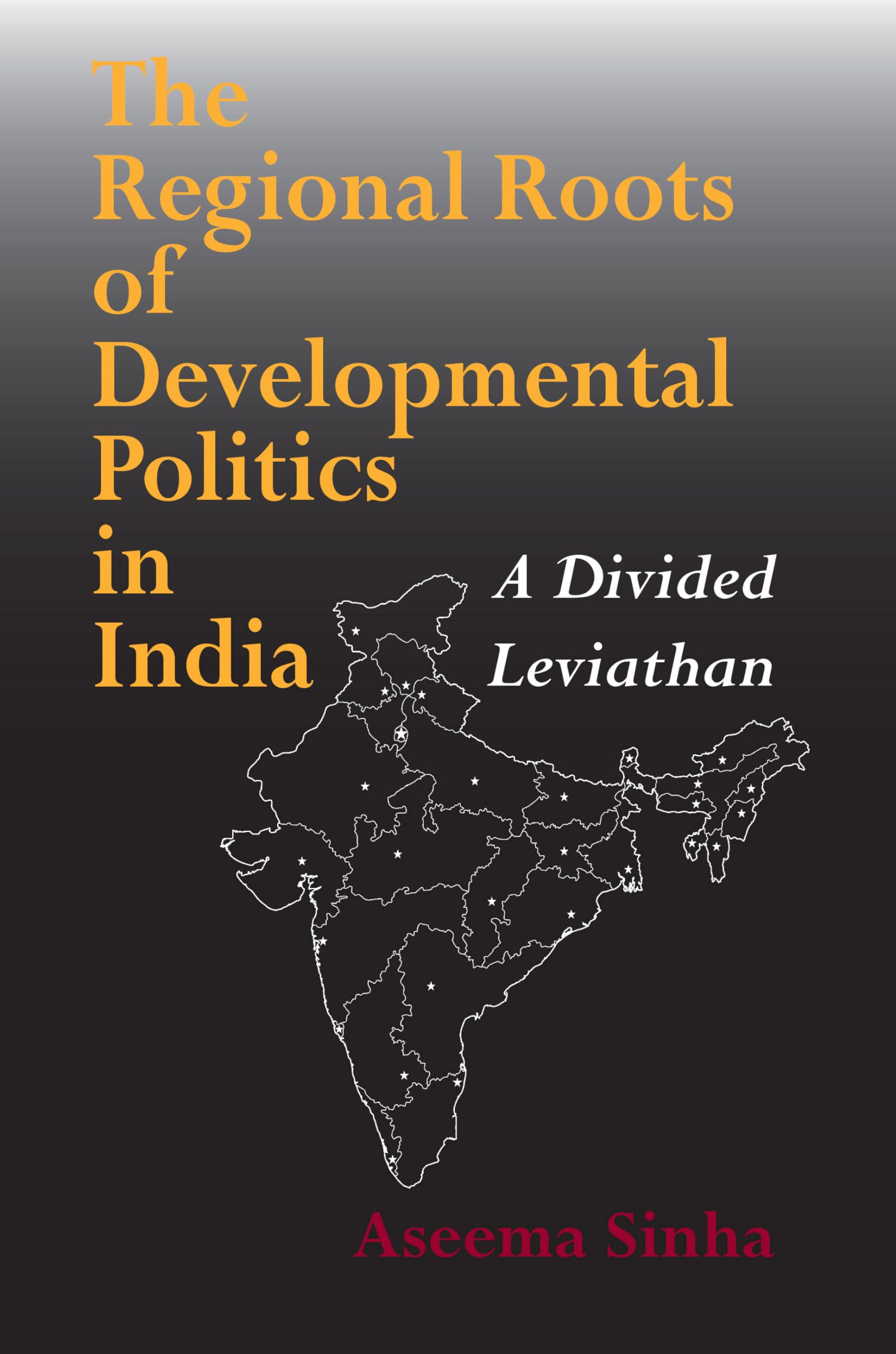
India is widely regarded as the most celebrated case of a 'failed' developmental state, seemingly the exception that belies the prediction of a triumphant Asian century. Its central political and economic institutions have been variously characterized as both 'soft' and 'strong'at once weak, predatory, and interventionist. Aseema Sinha presents an innovative model that questions conventional views of economic development by showing that the Indian state is a divided leviathan: its developmental failure is the combined product of centrallocal interactions and political choices by regional elites. To develop this disaggregated model, she examines three regional states with sharply divergent development trajectories: Gujarat, West Bengal, and Tamil Nadu. Drawing on recent work in comparative political economy, the theory of nested games, incentive theory, and an ethnographic analysis of business actors, this study directs analytical attention at the creation of microinstitutions at the subnational level, explores the role of provinces in shaping investment flows, and considers the role of federalism as a mediating institution shaping the vertical strategies of provinces. A comparative chapter applies the model to data from China, Brazil, Russia, and the former Soviet Union.
⚠️ WARNING (California Proposition 65):
This product may contain chemicals known to the State of California to cause cancer,
birth defects, or other reproductive harm.
For MAP (Minimum Advertised Price) violations and Intellectual Property (IP) or Trademark concerns, please contact:
support@ergodebooks.com
⚠️ California Proposition 65 Warning: Some products sold on this website may expose you to chemicals known to the State of California to cause cancer, birth defects, or other reproductive harm. For more information, visit www.P65Warnings.ca.gov.