
Title
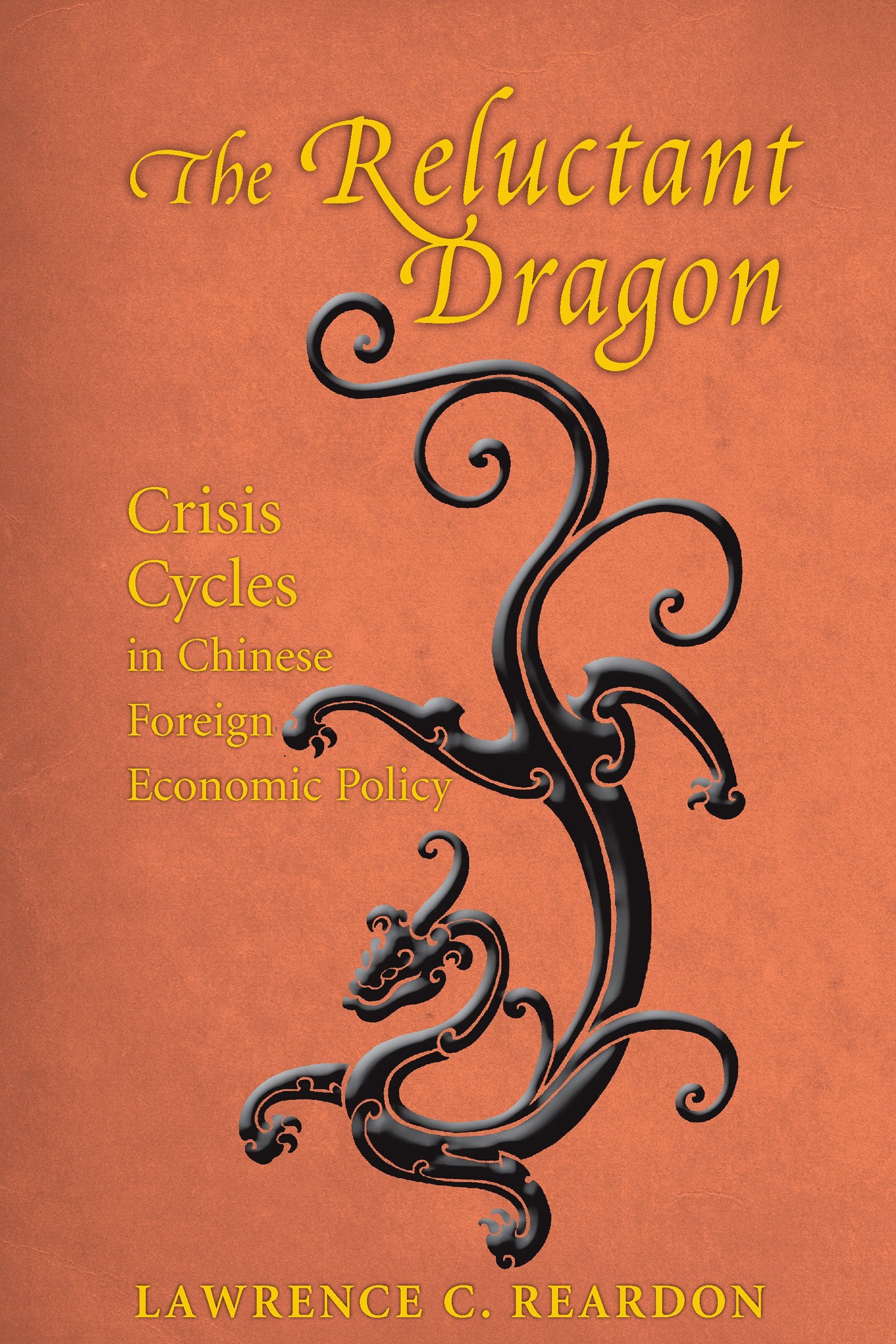
The Reluctant Dragon: Crisis Cycles In Chinese Foreign Economic Policy (Studies Of The East Asian Institute),Used
Sold by Ergodebooks, an authorized reseller.
Returns accepted within 30 days | support@ergodebooks.com
Shipping Information
- Free Standard Shipping — United States only
- Processing Time: 3–5 business days
- Estimated Delivery: 6–10 business days after dispatch
- Double-boxed, fully insured & discreetly packaged
- Tracking number sent via email once dispatched
Returns & Refund
Returns accepted within 30 days of delivery.
Damaged or Defective Item
Free return shipping + replacement or full refund
Wrong Item Received
Free return shipping + replacement or full refund
Change of Mind
Return shipping at customer's expense · 25% restocking fee applies
Payment Option

Chinese foreign economic policy before 1978 has been considered isolationist and centered on Maoist selfreliance. In this revisionist analysis, Lawrence Reardon argues that China was not out of touch with the global marketplace during the 194978 period and that Deng Xiaopings heralded liberalizations in fact were revisions and expansions of policies from the Maoist period.The dramatic economic reforms initiated by Chinas leaders in 1978 boosted GDP by between 9 and 13 percent each year during the 1980s and 1990s, while the nations foreign trade figures rose from a trivial US$1.94 billion in 1952 to US$325 billion in 1997. By opening to the outside world and liberalizing the domestic economic infrastructure, China has become the third largest and one of the fastestgrowing economies in the world.The story of Chinas onagain, offagain trade efforts provides an important window on the cyclical struggle for power between Mao Zedongs ideologically driven allies and more pragmatic leaders such as Zhou Enlai and Deng Xiaoping, whose approach eventually prevailed. Reardon relies on primary sources, including Chinese Communist Party histories and other restrictedcirculation materials that have recently come to light, to show that Chinas apparently sudden turn outward in 1978 was actually an extension of previous experiments hobbled by bureaucratic infighting and conflict among rival elites. He describes in unprecedented detail the seemingly contradictory strategies used by Mao and other leaders to assert Chinas absolute selfsufficiency while also striving to modernize the economy and achieve maximum prosperity as rapidly as possible. These latter goals required engagement with global economic forces even capitalist nations but were necessary to enhance national security in a hostile geopolitical environment and to assure continued domestic stability.
⚠️ WARNING (California Proposition 65):
This product may contain chemicals known to the State of California to cause cancer, birth defects, or other reproductive harm.
For more information, please visit www.P65Warnings.ca.gov.