
Title

The Revealing Image: Analytical Art Psychotherapy in Theory and Practice,New
Sold by Ergodebooks, an authorized reseller.
Returns accepted within 30 days | support@ergodebooks.com
Shipping Information
- Free Standard Shipping — United States only
- Processing Time: 3–5 business days
- Estimated Delivery: 6–10 business days after dispatch
- Double-boxed, fully insured & discreetly packaged
- Tracking number sent via email once dispatched
Returns & Refund
Returns accepted within 30 days of delivery.
Damaged or Defective Item
Free return shipping + replacement or full refund
Wrong Item Received
Free return shipping + replacement or full refund
Change of Mind
Return shipping at customer's expense · 25% restocking fee applies
Payment Option

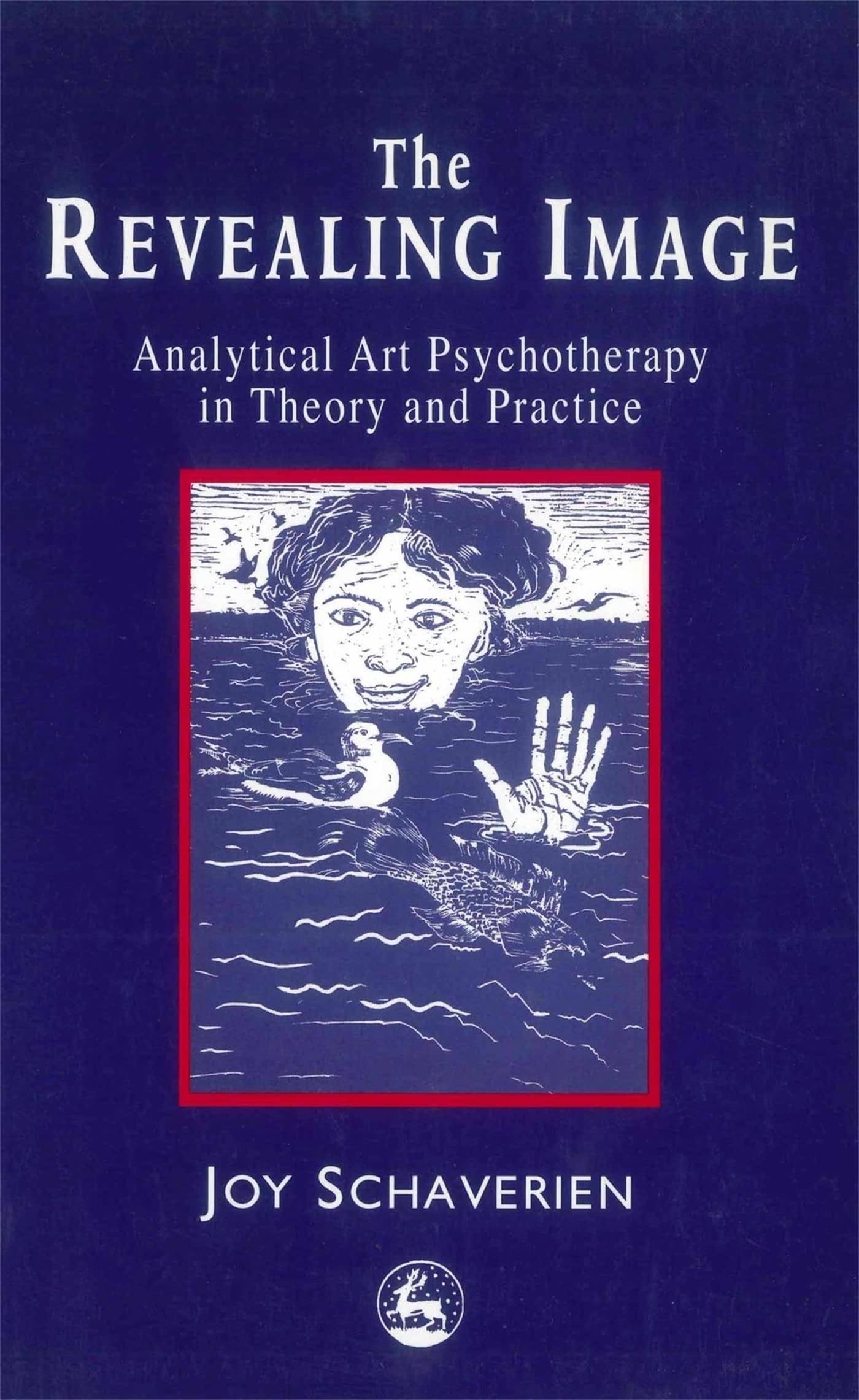
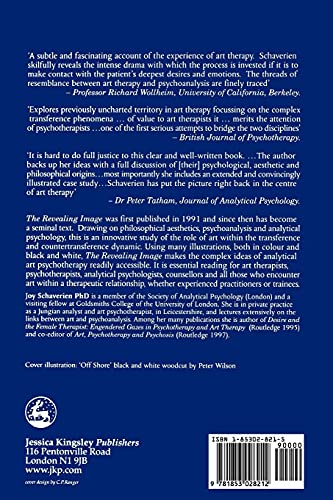
Schaverien painstakingly describes and defines 'processes which have so far only been intuitively known to art therapists' (p6) by introducing and elaborating the psychoanalytical concepts of transference and countertransference in relation to the use of visual art objects. The authors stated intention in this book is 'to attempt to bridge the perceived gap between the practice of art therapy and analytical forms of psychotherapy...'(p 229) The epistemological base of this venture includes the fields of philosophy, anthropology, and aesthetics, as well as psychoanalysis.Schaverien suggests that analytical art psychotherapy is a way of working analytically with patients who are unsuitable, or unready, for psychotherapy, giving examples of psychotic and borderline patients, children, and patients in psychiatric settings.This is primarily a book about an analytical approach within art therapy, which may be of interest in itself. The material also raises issues of interest to analysts and psychotherapists, whether or not they work with art in the clinical setting. The book clarifies areas of similarity between the disciplines, and also makes areas of difference apparent. For example, most analysts would agree that visual art, like dream material, and other nonverbal representations of the inner world, can at times articulate and communicate meanings which for one reason or another cannot be verbally articulated at the time, and that this can be pertinent to the aim of analysis. However, I think few analysts would include facilities in their consulting rooms for the kind of art processes described in the book.When the analyst is working with materials in this form, the book will be extremely helpful in sorting out the complexity of the transference situation and the role of interpretation. The book is so strongly grounded in experiences emerging in the presence of actual art processes and objects that I think it will be of most interest to those who are interested in the specific clinical issues involved in relating to the making and use of actual art objects within the setting. Schaverien not only describes the processes involved in detail, but also presents technical approaches to the making and handling of art objects within the setting which will inform the capacity of those who are not trained as art therapists to relate to this kind of material in the consulting room.'
⚠️ WARNING (California Proposition 65):
This product may contain chemicals known to the State of California to cause cancer, birth defects, or other reproductive harm.
For more information, please visit www.P65Warnings.ca.gov.