If you have any questions, you are always welcome to contact us. We'll get back to you as soon as possible, withing 24 hours on weekdays.
Customer service
All questions about your order, return and delivery must be sent to our customer service team by e-mail at yourstore@yourdomain.com
Sale & Press
If you are interested in selling our products, need more information about our brand or wish to make a collaboration, please contact us at press@yourdomain.com
Help
If you have any questions, you are always welcome to contact us. We'll get back to you as soon as possible, withing 24 hours on weekdays.
Customer service
All questions about your order, return and delivery must be sent to our customer service team by e-mail at yourstore@yourdomain.com
Sale & Press
If you are interested in selling our products, need more information about our brand or wish to make a collaboration, please contact us at press@yourdomain.com
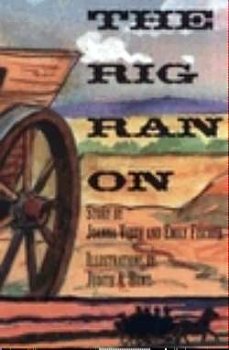
The Veritas Press Phonics Museum Program incorporates art and history as it teaches the basics of reading. The 1840s were a time of great growth and expansion for America. That adventurous spirit which led to the founding of this nation drove many to uproot their families and seek a better life in the west. Numerous families went west to escape the economic depression in the east. Settlers who headed for California (then part of Mexico) and the Oregon Territory (claimed by both the United States and England) considered themselves to be emigrants because they were leaving the United States. Emigrants often chose one of four routes for their westward journey. The Oregon Trail led to the northwest, an area ideal for farming and fur trading. The California Trail led to the southwest and the promise of wealth with the discovery of gold. A popular cattle trail and trade route comprised the third pathway to the west. The Sante Fe Trail led to New Mexico, a vast land for raising large herds of cattle. The final trail, the Mormon Trial, led to Utah and provided relief from religious persecution for the group called the LatterDay Saints. The long, toilsome journey claimed numberless lives of those who sought a new beginning in the west. Travelers endured biting cold, burning heat, hunger, accidents, and disease. The chance of failure was decreases as the pioneers traveled together in groups called wagon trains. Within each wagon train community laws were often made by the people to govern themselves. As they worked together, numerous families were able to establish new homes in the west.
⚠️ WARNING (California Proposition 65):
This product may contain chemicals known to the State of California to cause cancer,
birth defects, or other reproductive harm.
For MAP (Minimum Advertised Price) violations and Intellectual Property (IP) or Trademark concerns, please contact:
support@ergodebooks.com
⚠️ California Proposition 65 Warning: Some products sold on this website may expose you to chemicals known to the State of California to cause cancer, birth defects, or other reproductive harm. For more information, visit www.P65Warnings.ca.gov.