
Title
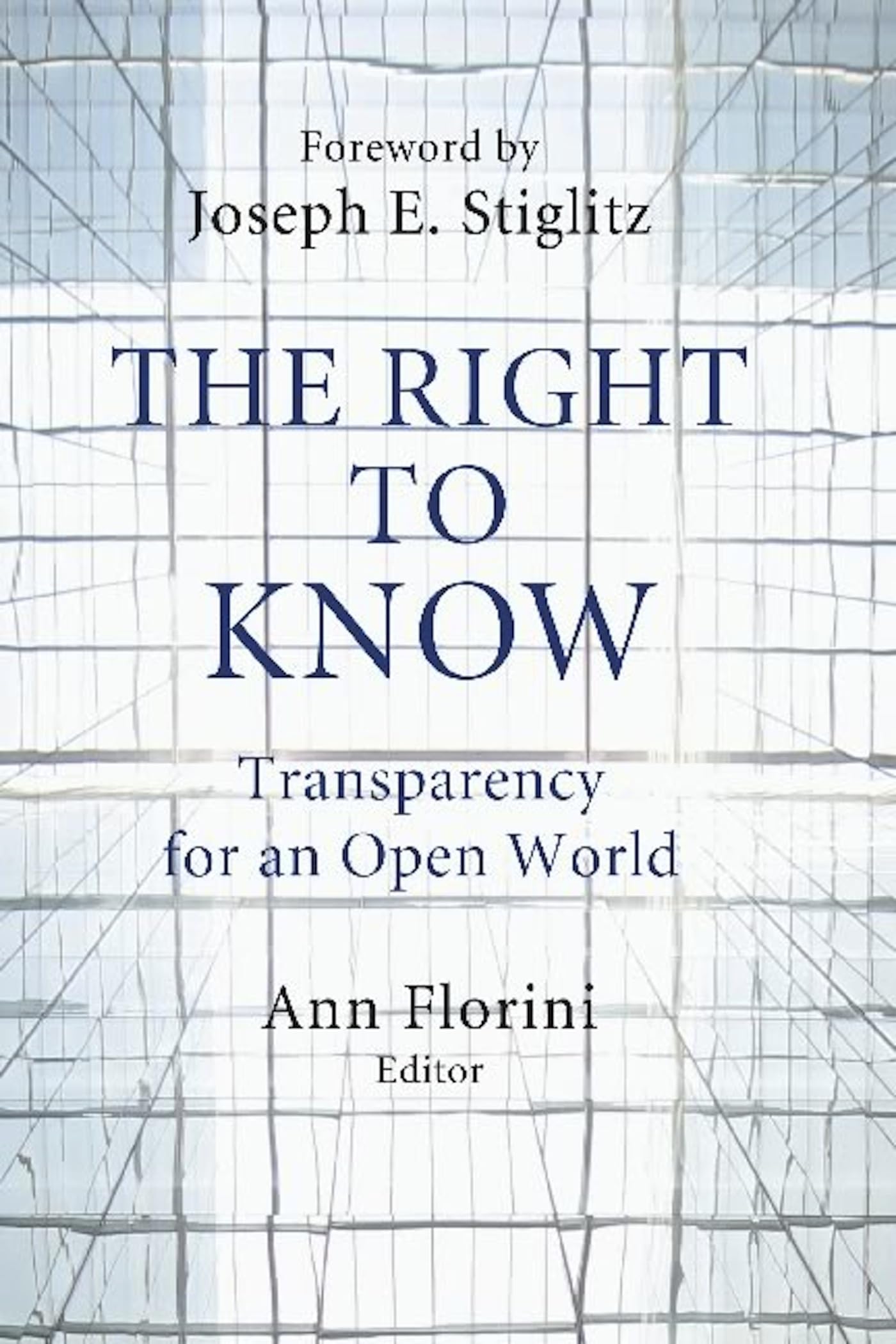
The Right to Know: Transparency for an Open World,Used
Sold by Ergodebooks, an authorized reseller.
Returns accepted within 30 days | support@ergodebooks.com
Shipping Information
- Free Standard Shipping — United States only
- Processing Time: 3–5 business days
- Estimated Delivery: 6–10 business days after dispatch
- Double-boxed, fully insured & discreetly packaged
- Tracking number sent via email once dispatched
Returns & Refund
Returns accepted within 30 days of delivery.
Damaged or Defective Item
Free return shipping + replacement or full refund
Wrong Item Received
Free return shipping + replacement or full refund
Change of Mind
Return shipping at customer's expense · 25% restocking fee applies
Payment Option

The Right to Know is a timely and compelling consideration of a vital question: What information should governments and other powerful organizations disclose? Excessive secrecy corrodes democracy, facilitates corruption, and undermines good public policymaking, but keeping a lid on military strategies, personal data, and trade secrets is crucial to the protection of the public interest.Over the past several years, transparency has swept the world. India and South Africa have adopted groundbreaking national freedom of information laws. China is on the verge of promulgating new openness regulations that build on the successful experiments of such major municipalities as Shanghai. From Asia to Africa to Europe to Latin America, countries are struggling to overcome entrenched secrecy and establish effective disclosure policies. More than seventy now have or are developing major disclosure policies or laws. But most of the world's nearly 200 nations do not have coherent disclosure laws; implementation of existing rules often proves difficult; and there is no consensus about what disclosure standards should apply to the increasingly powerful private sector.As governments and corporations battle with citizens and one another over the growing demand to submit their secrets to public scrutiny, they need new insights into whether, how, and when greater openness can serve the public interest, and how to bring about beneficial forms of greater disclosure. The Right to Know distills the lessons of many nations' often bitter experience and provides careful analysis of transparency's impact on governance, business regulation, environmental protection, and national security. Its powerful lessons make it a critical companion for policymakers, executives, and activists, as well as students and scholars seeking a better understanding of how to make information policy serve the public interest.
⚠️ WARNING (California Proposition 65):
This product may contain chemicals known to the State of California to cause cancer, birth defects, or other reproductive harm.
For more information, please visit www.P65Warnings.ca.gov.