
Title
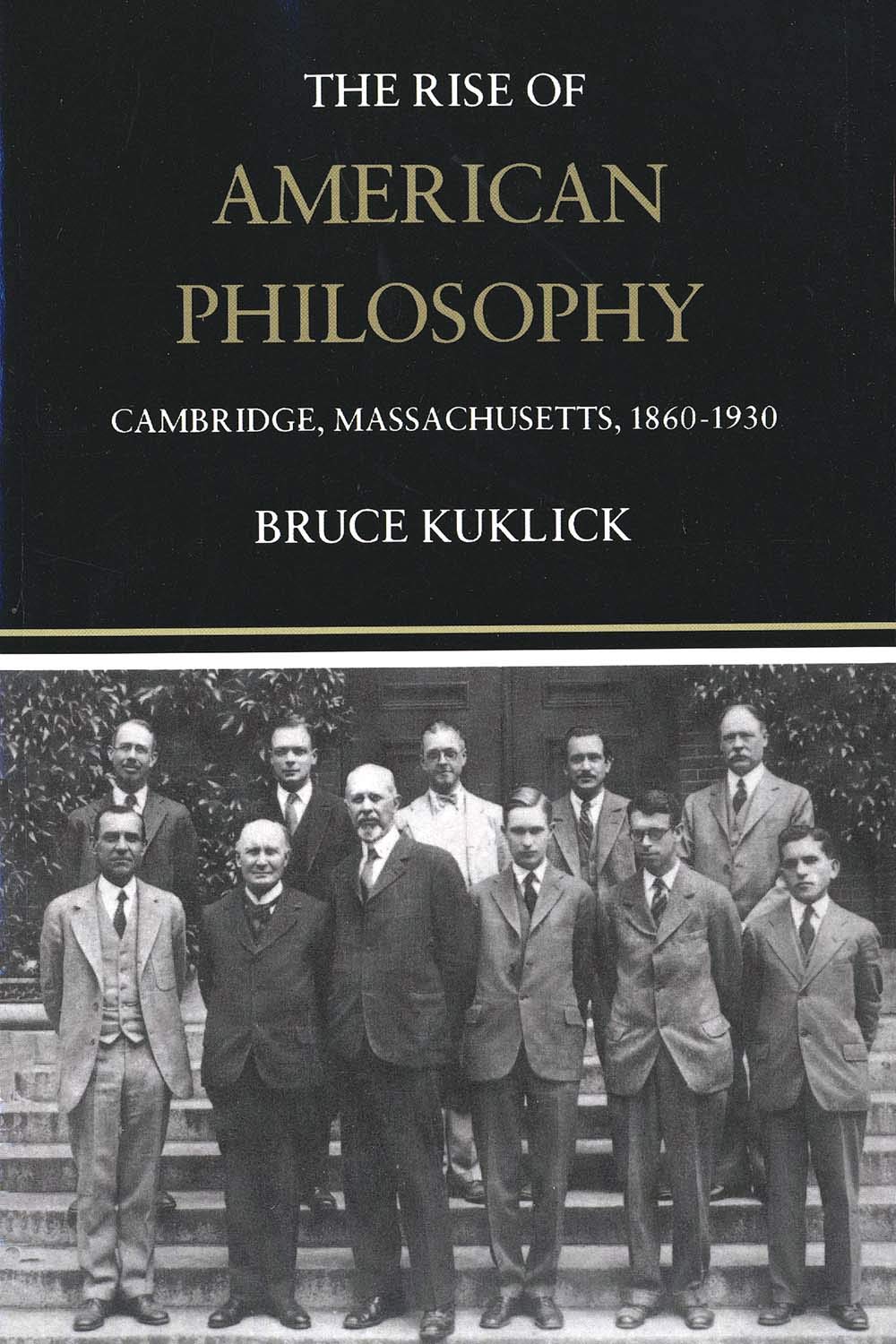
The Rise Of American Philosophy: Cambridge, Massachusetts, 18601930
Sold by Ergodebooks, an authorized reseller.
Returns accepted within 30 days | support@ergodebooks.com
Shipping Information
- Free Standard Shipping — United States only
- Processing Time: 3–5 business days
- Estimated Delivery: 6–10 business days after dispatch
- Double-boxed, fully insured & discreetly packaged
- Tracking number sent via email once dispatched
Returns & Refund
Returns accepted within 30 days of delivery.
Damaged or Defective Item
Free return shipping + replacement or full refund
Wrong Item Received
Free return shipping + replacement or full refund
Change of Mind
Return shipping at customer's expense · 25% restocking fee applies
Payment Option

The Seventy Years Between The Civil War And The Depression Mark The Most Significant Epoch Of American Philosophy. In This Period American Pragmatism Emerged, And Men Such As Charles Peirce, William James, Josiah Royce, George Santayana, Alfred North Whitehead, And C. I. Lewis Made Their Enduring Contributions To Western Thought. This Book Offers A Reinterpretation Of American Intellectual History Of The Period, Using The Relation Of Philosophers To The Primary Academic Institution Harvard As An Organizing Theme. Bruce Kuklick Argues That Harvard Established An Intellectual Community That Helped To Define The Thought Of These Men, And That The Changing Character Of American Philosophy Must Be Related To The Emergence Of The Modern University.Beginning With What He Calls The Cambridge Amateurs, Harvardtrained Philosophers Who Were Unable To Find University Teaching Positions, Kuklick Goes On To Examine The Thought Of The Golden Age Of American Philosophy. He Shows How It Centered On The Dialogue Between James And Royce And Their Peers And Demonstrates How It Contributed To Its Own Transformation: The Thinkers Of This Period Were The First Generation Of Professional Philosophers. They Were Pivotal In Establishing Graduate Training Programs And The Doctoral Apprenticeship System. They Created The Very Academic Framework In Which Philosophy Would Narrow From Its Role As The Integrator Of Human Intellectual Concerns To A Technical, Scholarly Discipline Of Interest Only To A Small Group Of Professors.This Is Intellectual History At Its Best, Or What Kuklick Calls The History Of Difficult Ideas. The Author, Historian And Philosopher, Tells A Fascinating Story Of The Men, The Ideas, And The Institutions That Formed American Philosophy. He Has Made A Successful Attempt To Bridge The Gap Between Social History And The History Of Ideas.
⚠️ WARNING (California Proposition 65):
This product may contain chemicals known to the State of California to cause cancer, birth defects, or other reproductive harm.
For more information, please visit www.P65Warnings.ca.gov.
- Q: How many pages are in the book? A: The book contains seven hundred twenty pages. It provides a comprehensive overview of American philosophy during a pivotal period.
- Q: What is the binding type of this book? A: This book is available in paperback binding. This type of binding is often more flexible and lightweight compared to hardcover.
- Q: What are the dimensions of the book? A: The book measures nine point zero two inches in length, six inches in width, and one point five five inches in height. These dimensions make it a convenient size for reading.
- Q: What is the main subject of the book? A: The main subject is American philosophy from eighteen sixty to nineteen thirty. It discusses key figures and ideas in this historical context.
- Q: Who is the author of this book? A: The author is Bruce Kuklick. He is a historian and philosopher known for his work on American intellectual history.
- Q: Is this book suitable for beginners in philosophy? A: Yes, this book is suitable for beginners. It provides a clear narrative that connects complex ideas to historical figures and institutions.
- Q: What themes are explored in this book? A: The book explores themes of pragmatism, the evolution of philosophy as a discipline, and the role of Harvard in shaping intellectual thought. It delves into the lives and contributions of significant philosophers.
- Q: Is there any specific audience this book is targeting? A: The book targets readers interested in philosophy, history, and education. It is particularly beneficial for those studying American intellectual history.
- Q: How should I care for this paperback book? A: To care for this paperback book, store it in a cool, dry place and avoid exposure to direct sunlight. This will help preserve its condition over time.
- Q: Can I easily write or highlight in this book? A: Yes, you can write or highlight in this paperback book. The pages are designed to accommodate writing tools without bleeding through.
- Q: What if my book arrives damaged? A: If your book arrives damaged, you can return it for a replacement or refund. Make sure to contact customer support within the return policy period.
- Q: Does the book come with a warranty? A: No, this book does not come with a warranty. However, it can be returned or exchanged if it arrives in less than satisfactory condition.
- Q: Is this book a good resource for academic research? A: Yes, this book is a valuable resource for academic research. It provides in-depth analysis and references to notable American philosophers and their ideas.
- Q: Are there any illustrations in the book? A: No, there are no illustrations in this book. It focuses primarily on text to convey its philosophical discussions and historical narratives.
- Q: How does this book compare to other philosophy texts? A: This book offers a unique perspective on the development of American philosophy compared to other texts. It emphasizes the relationship between philosophers and educational institutions.
- Q: What is the publication date of this book? A: The publication date of this book is not specified. However, it covers historical events and philosophies from the nineteenth to early twentieth century.