If you have any questions, you are always welcome to contact us. We'll get back to you as soon as possible, withing 24 hours on weekdays.
Customer service
All questions about your order, return and delivery must be sent to our customer service team by e-mail at yourstore@yourdomain.com
Sale & Press
If you are interested in selling our products, need more information about our brand or wish to make a collaboration, please contact us at press@yourdomain.com
Help
If you have any questions, you are always welcome to contact us. We'll get back to you as soon as possible, withing 24 hours on weekdays.
Customer service
All questions about your order, return and delivery must be sent to our customer service team by e-mail at yourstore@yourdomain.com
Sale & Press
If you are interested in selling our products, need more information about our brand or wish to make a collaboration, please contact us at press@yourdomain.com
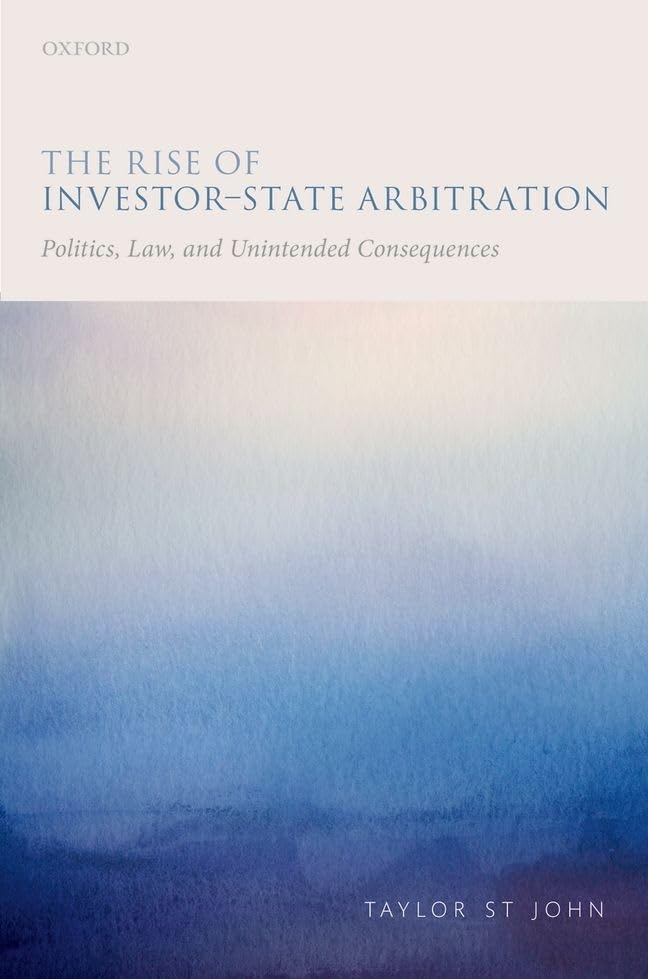
Today, investorstate arbitration embodies the worst fears of those concerned about runaway globalization a far cry from its framers' intentions. Why did governments create a special legal system in which foreign investors can bring cases directly against states? This book takes readers through the key decisions that created investorstate arbitration, drawing on internal documents from several governments and extensive interviews to illustrate the politics behind this new legal system.The corporations and law firms that dominate investorstate arbitration today were not present at its creation. In fact, there was almost no lobbying from investors. Nor did powerful states have a strong preference for it. Nor was it created because there was evidence that it facilitates investment there was no such evidence.International officials with peacebuilding and development aims drove the rise of investorstate arbitration. This book puts forward a new historical institutionalist explanation to illuminate how the actions of these officials kicked off a process of gradual institutional development. While these officials anticipated many developments, including an enormous caseload from investment treaties, over time this institutional framework they created has been put to new purposes by different actors. Institutions do not determine the purposes to which they may be put, and this book's analysis illustrates how unintended consequences emerge and why institutions persist regardless.
⚠️ WARNING (California Proposition 65):
This product may contain chemicals known to the State of California to cause cancer,
birth defects, or other reproductive harm.
For MAP (Minimum Advertised Price) violations and Intellectual Property (IP) or Trademark concerns, please contact:
support@ergodebooks.com
⚠️ California Proposition 65 Warning: Some products sold on this website may expose you to chemicals known to the State of California to cause cancer, birth defects, or other reproductive harm. For more information, visit www.P65Warnings.ca.gov.