
Title
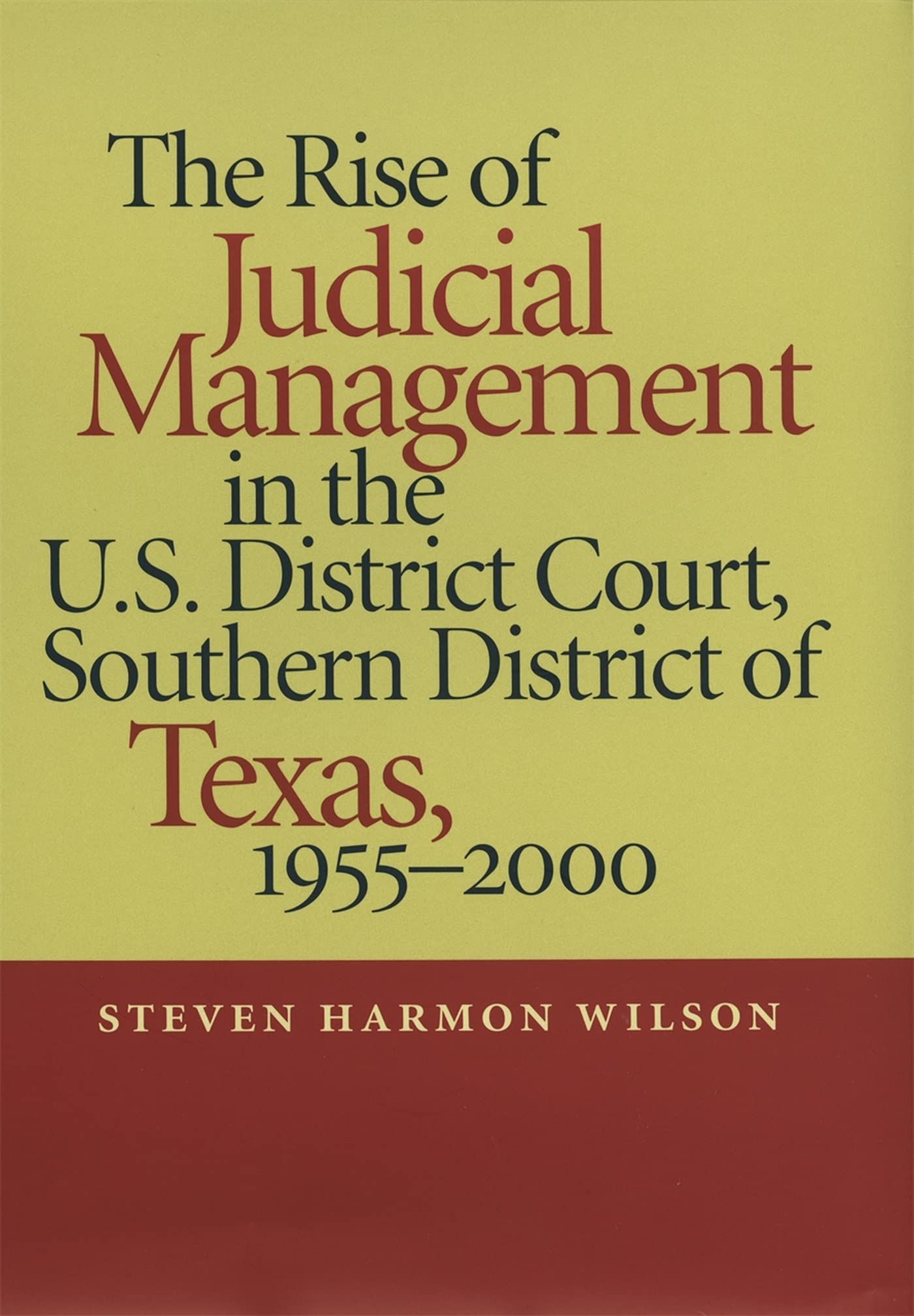
The Rise of Judicial Management in the U.S. District Court, Southern District of Texas, 19552000 (Studies in the Legal History ,Used
Sold by Ergodebooks, an authorized reseller.
Returns accepted within 30 days | support@ergodebooks.com
Shipping Information
- Free Standard Shipping — United States only
- Processing Time: 3–5 business days
- Estimated Delivery: 6–10 business days after dispatch
- Double-boxed, fully insured & discreetly packaged
- Tracking number sent via email once dispatched
Returns & Refund
Returns accepted within 30 days of delivery.
Damaged or Defective Item
Free return shipping + replacement or full refund
Wrong Item Received
Free return shipping + replacement or full refund
Change of Mind
Return shipping at customer's expense · 25% restocking fee applies
Payment Option

This is the first booklength study of a federal district court to analyze the revolutionary changes in its mission, structure, policies, and procedures over the past four decades. As Steven Harmon Wilson chronicles the court's attempts to keep pace with an expanding, diversifying caseload, he situates those efforts within the social, cultural, and political expectations that have prompted the increase in judicial seats from four in 1955 to the current nineteen.Federal judges have progressed from being simply referees of legal disputes to managers of expanding courts, dockets, and staffs, says Wilson. The Southern District of Texas offers an especially instructive model by which to study this transformation. Not only does it contain a varied population of Hispanics, African Americans, and whites, but its jurisdiction includes an international border and some of the busiest seaports in the United States. Wilson identifies three areas of judicial management in which the shift has most clearly manifested itself. Through docket and case management judges have attempted to rationalize the flow of work through the litigation process. Lastly, and most controversially, judges have sought to bring "constitutionally flawed" institutions into compliance through "structural reform" rulings in areas such as housing, education, employment, and voting.Wilson draws on sources ranging from judicial biography and oralhistory interviews to case files, published opinions, and administrative memoranda. Blending legal history with social science, this important new study ponders the changing meaning of federal judgeship as it shows how judicial management has both helped and hindered the resolution of legal conflicts and the protection of civil rights.
⚠️ WARNING (California Proposition 65):
This product may contain chemicals known to the State of California to cause cancer, birth defects, or other reproductive harm.
For more information, please visit www.P65Warnings.ca.gov.