
Title
The Rise of the Latino Vote: A History,Used
Sold by Ergodebooks, an authorized reseller.
Returns accepted within 30 days | support@ergodebooks.com
Shipping Information
- Free Standard Shipping — United States only
- Processing Time: 3–5 business days
- Estimated Delivery: 6–10 business days after dispatch
- Double-boxed, fully insured & discreetly packaged
- Tracking number sent via email once dispatched
Returns & Refund
Returns accepted within 30 days of delivery.
Damaged or Defective Item
Free return shipping + replacement or full refund
Wrong Item Received
Free return shipping + replacement or full refund
Change of Mind
Return shipping at customer's expense · 25% restocking fee applies
Payment Option

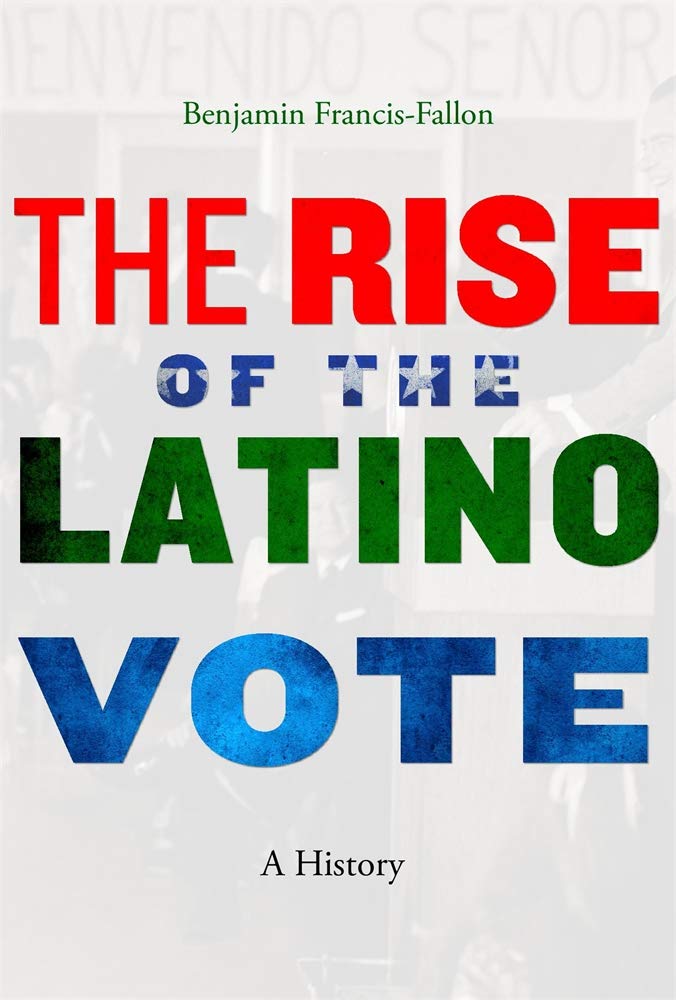
A new history reveals how the rise of the Latino vote has redrawn the political map and what it portends for the future of American politics.The impact of the Latino vote is a constant subject of debate among pundits and scholars. Will it sway elections? And how will the political parties respond to the growing number of voters who identify as Latino? A more basic and revealing question, though, is how the Latino vote was forgedhow U.S. voters with roots in Latin America came to be understood as a bloc with shared interests. In The Rise of the Latino Vote, Benjamin FrancisFallon shows how this diverse group of voters devised a common political identity and how the rise of the Latino voter has transformed the electoral landscape.Latino political power is a recent phenomenon. It emerged on the national scene during the turbulence of the 1960s and 1970s, when Mexican American, Puerto Rican, and Cuban American activists, alongside leaders in both the Democratic and the Republican parties, began to conceive and popularize a panethnic Hispanic identity. Despite the increasing political potential of a unified Latino vote, many individual voters continued to affiliate more with their particular ethnic communities than with a broader Latino constituency. The search to resolve this contradiction continues to animate efforts to mobilize Hispanic voters and define their influence on the American political system.The Spanishspeaking vote was constructed through deliberate action; it was not simply demographic growth that led the government to recognize Hispanics as a national minority group, ushering in a new era of multicultural politics. As we ponder how a new generation of Latino voters will shape Americas future, FrancisFallon uncovers the historical forces behind the changing face of America.
⚠️ WARNING (California Proposition 65):
This product may contain chemicals known to the State of California to cause cancer, birth defects, or other reproductive harm.
For more information, please visit www.P65Warnings.ca.gov.