
Title
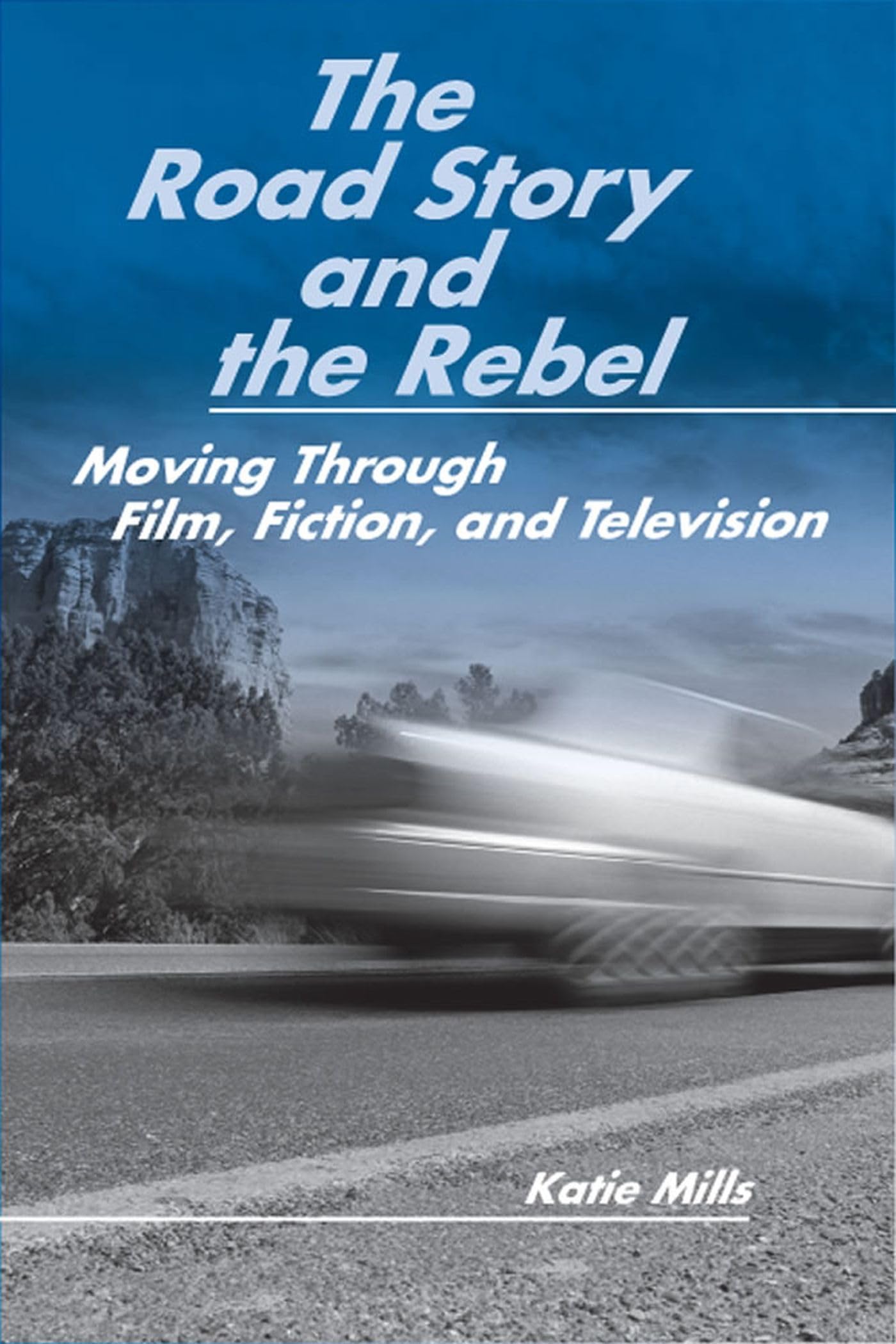
The Road Story and the Rebel: Moving Through Film, Fiction, and Television,Used
Sold by Ergodebooks, an authorized reseller.
Returns accepted within 30 days | support@ergodebooks.com
Shipping Information
- Free Standard Shipping — United States only
- Processing Time: 3–5 business days
- Estimated Delivery: 6–10 business days after dispatch
- Double-boxed, fully insured & discreetly packaged
- Tracking number sent via email once dispatched
Returns & Refund
Returns accepted within 30 days of delivery.
Damaged or Defective Item
Free return shipping + replacement or full refund
Wrong Item Received
Free return shipping + replacement or full refund
Change of Mind
Return shipping at customer's expense · 25% restocking fee applies
Payment Option

In The Road Story and the Rebel: Moving Through Film, Fiction, and Television, Beat studies scholar Katie Mills examines how road stories, which have offered declarations of independence to generations of rebellious Americans, have been transformed by media, technology, and social movements. The genre, which includes literature, films, television shows, and several types of digital media, has evolved, says Mills, as each new generation questions its own identity and embraces the thrill of automobility (autonomy and mobility) thus providing audiences a means to consider radically altered notions of independence, even as the genre cycles between innovation and commodification.This cultural history reveals the unique qualities of road stories and follows the evolution from the Beats postwar literary adventures to todays postmodern reality television shows. Tracing the road story as it moves to both LeRoi Joness critique of the Beats romanticization of blacks as well as to the mainstream in the 1960s with CBSs Route 66, Mills also documents the rebel subcultures of novelist Ken Kesey and the Merry Pranksters, who used film and LSD as inspiration on a crosscountry bus trip, and she examines the sexualization of male mobility and biker mythology in the films Scorpio Rising,The Wild Angels, and Easy Rider. Mills addresses how the filmmakers of the 1970sCoppola, Scorsese, and Bogdanovichflourished in New Hollywood with road films that reflected mainstream audiences and how feminists Joan Didion and Betty Friedan subsequently critiqued them. A new generation of women and minority storytellers gain clout and bring genre remapping to the national consciousness, Mills explains, as the road story evolves from such novels as Song of Solomon to films like Thelma and Louise and televisions Road Rules 2.The Road Story and the Rebel, which includes twenty illustrations, effectively explores the cultural significance of sixty years of rebellion in film, literature, television, and digital media. Spanning media platforms and marginalized communities, the text offers new interpretations of canonical works and reintroduces forgotten works, revealing the genre to be more political and philosophical than previously understood.
⚠️ WARNING (California Proposition 65):
This product may contain chemicals known to the State of California to cause cancer, birth defects, or other reproductive harm.
For more information, please visit www.P65Warnings.ca.gov.
- Q: How many pages does the book have? A: The book has two hundred eighty-eight pages. This length allows for a comprehensive exploration of its themes and content.
- Q: What is the binding type of this book? A: The book is paperback bound. This makes it lightweight and convenient for reading and carrying.
- Q: Who is the author of the book? A: The author is Katie Mills. She is a Beat studies scholar known for her insights into cultural narratives.
- Q: What genre does this book belong to? A: This book belongs to the Performing Arts genre. It examines the intersection of media and cultural storytelling.
- Q: What is the size of the book? A: The book measures six inches in length, zero point eight inches in width, and nine point zero two inches in height. These dimensions make it portable and easy to store.
- Q: Is this book suitable for all ages? A: Yes, the book is generally suitable for older teens and adults. Its themes and discussions are more aligned with mature audiences.
- Q: How can I incorporate this book into my studies? A: You can use this book to enhance your understanding of cultural histories in film and literature. It serves as a valuable resource for students and scholars alike.
- Q: Does this book include illustrations? A: Yes, the book includes twenty illustrations. These visuals complement the text and enrich the reader's experience.
- Q: What themes are explored in this book? A: The book explores themes of rebellion, identity, and the evolution of road stories. It examines how these narratives reflect societal changes.
- Q: Can this book be used for academic research? A: Yes, this book is suitable for academic research. It provides critical insights and analyses relevant to cultural studies.
- Q: How should I care for this book? A: To care for this book, keep it in a dry place and avoid exposure to direct sunlight. This will help preserve its condition.
- Q: Is there a return policy if I don't like the book? A: Yes, there is typically a return policy. You can return the book within a specified period if it doesn't meet your expectations.
- Q: What if my book arrives damaged? A: If your book arrives damaged, you should contact the seller for a replacement or refund. Most sellers have policies in place for such issues.
- Q: What makes this book different from other books on similar topics? A: This book uniquely combines cultural analysis with historical context. It offers a fresh perspective on the evolution of road stories.
- Q: Are there any notable critiques mentioned in the book? A: Yes, the book discusses critiques from influential figures such as Joan Didion and Betty Friedan. Their insights add depth to the analysis of road narratives.
- Q: Does this book cover contemporary examples of road stories? A: Yes, it examines contemporary examples like 'Thelma and Louise' and reality television shows. This demonstrates the ongoing relevance of the genre.