
Title
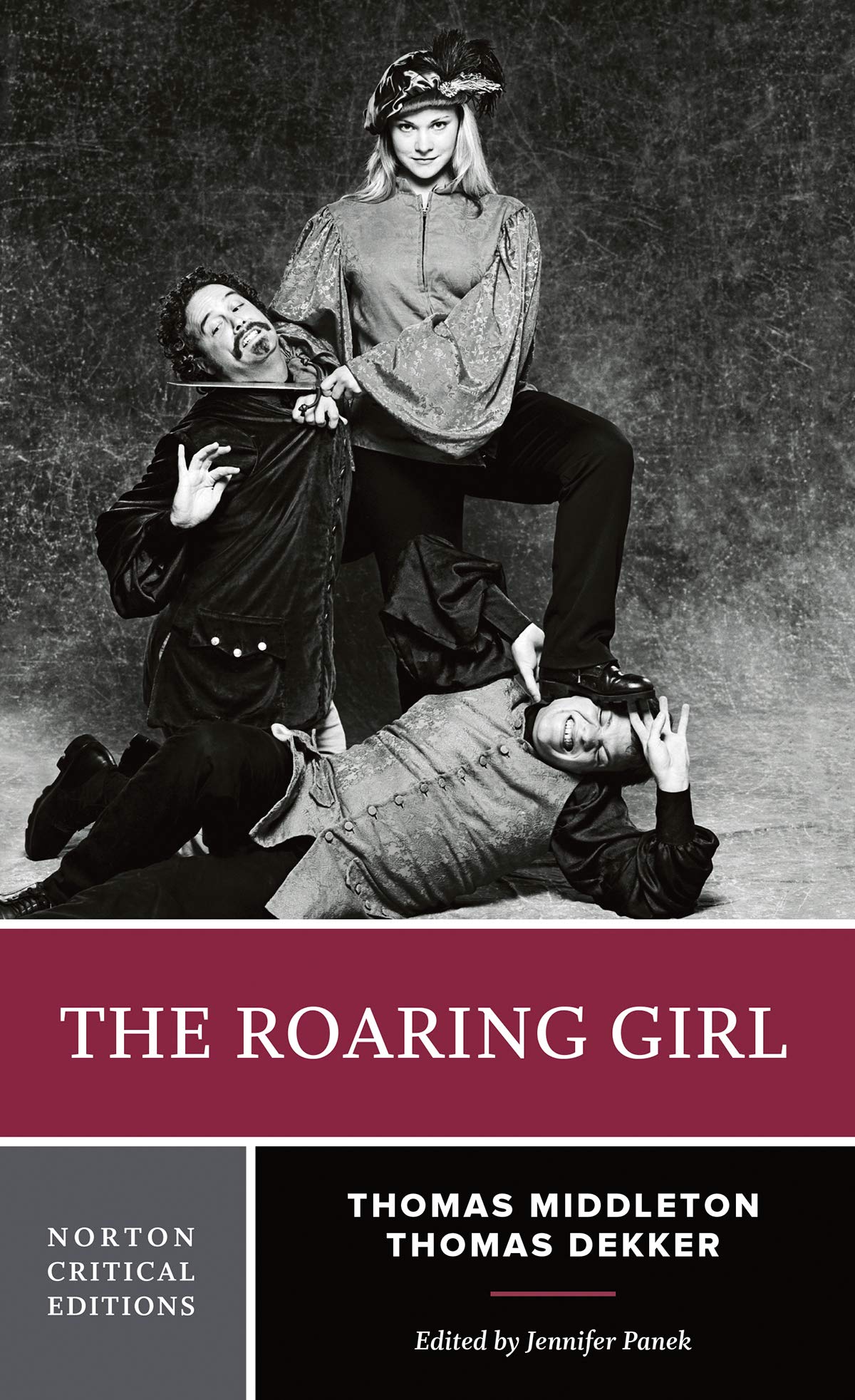
The Roaring Girl: A Norton Critical Edition (Norton Critical Editions),New
Sold by Ergodebooks, an authorized reseller.
Returns accepted within 30 days | support@ergodebooks.com
Shipping Information
- Free Standard Shipping — United States only
- Processing Time: 3–5 business days
- Estimated Delivery: 6–10 business days after dispatch
- Double-boxed, fully insured & discreetly packaged
- Tracking number sent via email once dispatched
Returns & Refund
Returns accepted within 30 days of delivery.
Damaged or Defective Item
Free return shipping + replacement or full refund
Wrong Item Received
Free return shipping + replacement or full refund
Change of Mind
Return shipping at customer's expense · 25% restocking fee applies
Payment Option

Middleton and Dekkers comic triumph is as relevant today as when it was first performed in 1611. With its helpful annotations, historical documents on cross dressing and on the colorful Mary Frith (the reallife model for Moll Cutpurse), and wealth of scholarly interpretations, this Norton Critical Edition brings The Roaring Girl to life for todays reader. This Norton Critical Edition of Thomas Middleton and Thomas Dekkers The Roaring Girl is based on the text from English Renaissance Drama: A Norton Anthology. It is accompanied by generous explanatory annotations, five illustrations, and a detailed introduction.Contexts is thematically arranged to include almost all known documents from the period concerning Mary Frith (aka Moll Cutpurse), among them records of her court appearances, letters recounting the same, and her last will. Also reprinted are significant passages from her purported 1662 autobiography, The Life and Death of Mrs. Mary Frith. While of dubious veracity, the autobiography is useful for comparing the plays portrayal of Moll with later developments in Moll Cutpurse lore, which the Norton Critical Edition traces through the eighteenth and nineteenth centuries. Perhaps most engaging for classroom discussion are substantial excerpts from the 1620 crossdressing pamphletsHic Mulier; or, The ManWoman and Haec Vir; or, The Womanish Manwhich appear in annotated, modernspelling versions. Together they give insight into how genderbending trends in clothing, similar to those practiced by Moll, were understood in the early seventeenth century. A related passage from A Sermon of Apparel adds another perspective on crossdressing practices.Fourteen critical essays chart the development of scholarly interest in The Roaring Girl, from the first half of the twentieth century, when the play received only passing reference, through the work on city comedy in the 1970s and 1980s, to the explosion of analyses in the late 1980s and 1990s, when the play became a major focus for early modern gender studies. The more recent critical essays move beyond a strict focus on gender and crossdressing to explore The Roaring Girls depiction of other aspects of early modern London, including consumer culture and the contemporary fascination with the language of the criminal underworld. Contributors include, among others, T. S. Eliot, Alexander Leggatt, Mary Beth Rose, Jonathan Dollimore, Jean E. Howard, and Jonathan Gil Harris.A Selected Bibliography is also included.
⚠️ WARNING (California Proposition 65):
This product may contain chemicals known to the State of California to cause cancer, birth defects, or other reproductive harm.
For more information, please visit www.P65Warnings.ca.gov.