
Title
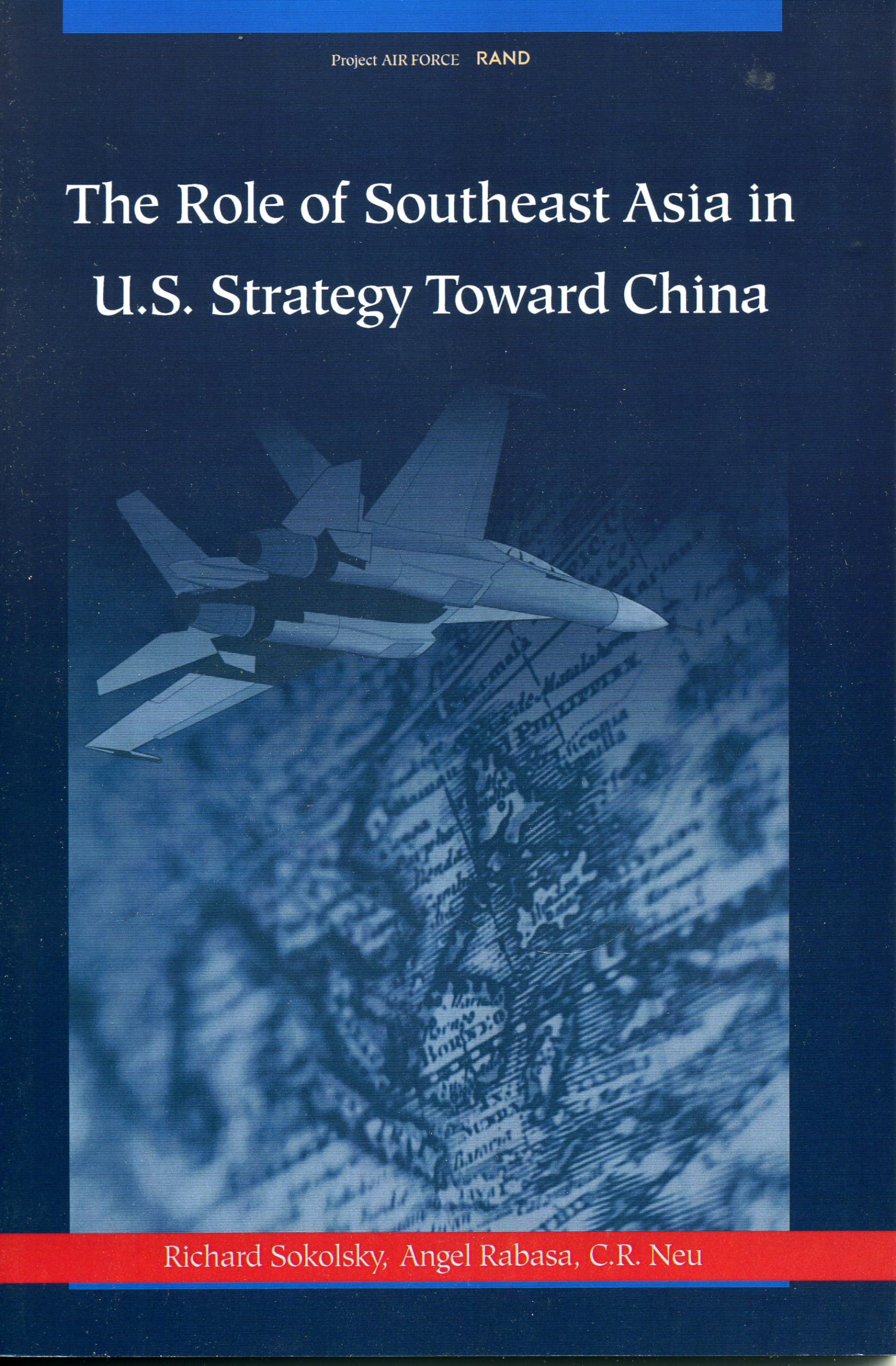
The Role Of Southeast Asia In U.S. Strategy Toward China,Used
Sold by Ergodebooks, an authorized reseller.
Returns accepted within 30 days | support@ergodebooks.com
Shipping Information
- Free Standard Shipping — United States only
- Processing Time: 3–5 business days
- Estimated Delivery: 6–10 business days after dispatch
- Double-boxed, fully insured & discreetly packaged
- Tracking number sent via email once dispatched
Returns & Refund
Returns accepted within 30 days of delivery.
Damaged or Defective Item
Free return shipping + replacement or full refund
Wrong Item Received
Free return shipping + replacement or full refund
Change of Mind
Return shipping at customer's expense · 25% restocking fee applies
Payment Option

Product Description China's geopolitical ambitions and growing military capabilities and Southeast Asia's perceptions of a rising China will play a crucial role in shaping the future of Southeast Asia and the U.S. military posture in the region. Examining the role of regional states in developing a hedge against the possible emergence of overly aggressive China, the authors find that rather than confronting a conventional attack, the U.S. and the Southeast Asian countries are likely to find a continuation of China's creeping irredentism and ambiguous threats. Southeast Asia is likely to prove a critical testing ground for a third way of dealing with China's rising power while deterring and preparing for a possible Chinese challenge. The report recommends that the U.S. adopt an incremental approach to this hedging strategy, focus on peacetime military engagement, strengthen military ties, and develop a more robust and diversified network of access arrangements with Southeast Asian states. From the Publisher China's geopolitical ambitions will play a crucial role in shaping thefuture of Southeast Asia and the U.S. military posture in the region.There are a number of strategic directions China could take dependingon which domestic and external factors emerge as key determinantsof Chinese national security policy. Which path China willfollow remains unknown, however, and this uncertainty complicatesthe formulation of an effective policy for managing China's risingpower throughout the AsiaPacific region.Coping with this uncertainty poses a particularly difficult dilemmafor U.S. security strategy in Southeast Asia. Many Southeast Asianstates are concerned about the growth of Chinese military capabilitiesand China's longterm intentions. At the same time, thesecountries have a healthy fear of provoking China and lingeringdoubts about the credibility of U.S. security commitments. Theseambivalent attitudes and threat perceptions, combined with intraregionaltensions, present both opportunities and challenges forexpanded U.S. military cooperation with the Association ofSoutheast Asian Nations (ASEAN) states.This study examines the role of the ASEAN countries in U.S. securitystrategy toward China. It focuses in particular on regional perceptionsof a 'rising China' and the possibilities for enhanced U.S. militarycooperation with the countries of Southeast Asia in an uncertainand potentially unstable environment.This research was conducted in the Strategy and Doctrine Programof Project AIR FORCE under the sponsorship of the Deputy Chief ofStaff for Air and Space Operations, U.S. Air Force, and theCommander, Pacific Air Forces. The report shouldnational security community and to those in the general public whoare interested in United StatesChinese relations and the future ofthe AsiaPacific region. Comments are welcome and should be sentto the authors or the project leader, Dr. Zalmay Khalilzad.PROJECT AIR FORCEProject AIR FORCE, a division of RAND, is the United States AirForce's Federally Funded Research and Development Center(FFRDC) for studies and analyses. It provides the Air Force with independentanalyses of policy alternatives affecting the development,employment, combat readiness, and support of current and futureaerospace forces. Research is performed in four programs:Aerospace Force Development; Manpower, Personnel, and Training;Resource Management; and Strategy and Doctrine.
⚠️ WARNING (California Proposition 65):
This product may contain chemicals known to the State of California to cause cancer, birth defects, or other reproductive harm.
For more information, please visit www.P65Warnings.ca.gov.