
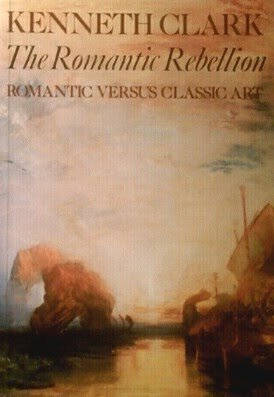
Title
The Romantic Rebellion: Romantic Versus Classic Art,Used
Sold by Ergodebooks, an authorized reseller.
Returns accepted within 30 days | support@ergodebooks.com
Shipping Information
- Free Standard Shipping — United States only
- Processing Time: 3–5 business days
- Estimated Delivery: 6–10 business days after dispatch
- Double-boxed, fully insured & discreetly packaged
- Tracking number sent via email once dispatched
Returns & Refund
Returns accepted within 30 days of delivery.
Damaged or Defective Item
Free return shipping + replacement or full refund
Wrong Item Received
Free return shipping + replacement or full refund
Change of Mind
Return shipping at customer's expense · 25% restocking fee applies
Payment Option

With his extraordinary knowledge, clarity and style Kenneth Clark discusses thirteen important artists representing one of the greatest periods in the history of art the second half of the eighteenth century to the middle of the nineteenth century.During the second half of the eighteenth century, when the spirit of revolution was rising through Europe, a division appeared in all the arts, deeper and more radical than any that had preceded it. Rivalry arose between two schools of painting, the Romantic and the Classic. The doctrine of Classic art aspired to the ideal found in GrecoRoman antiquities; subjects were drawn from episodes in antique history or poetry that pointed a moral acts of selfsacrifice or patriotism. Romantic art appealed to the emotions, in particular the fear and exhilaration aroused by storm, bloodshed and ferocity, so prevalent at the time. The emotional effect of a picture was heightened by color, violent light and shade and exaggerated movement, made shockingly natural far removed from the tranquility and sculptural forms of classicism. In practice, however, the two schools overlapped. Both attached importance to subject matter and looked to the past for it. 'Every great classical artist was a romantic at heart and vice versa; the distinction between them is more convenient than real,' writes Kenneth Clark.To trace this 'rebellion' Kenneth Clark brings into focus the artistic creativity of thirteen artists: David, Goya, Piranesi, Fuseli, Blake, Ingres, Gericault, Delacroix, Turner, Constable, Millet, Degas and Rodin all but one successful and influential, all part of the European movement.
⚠️ WARNING (California Proposition 65):
This product may contain chemicals known to the State of California to cause cancer, birth defects, or other reproductive harm.
For more information, please visit www.P65Warnings.ca.gov.