
Title
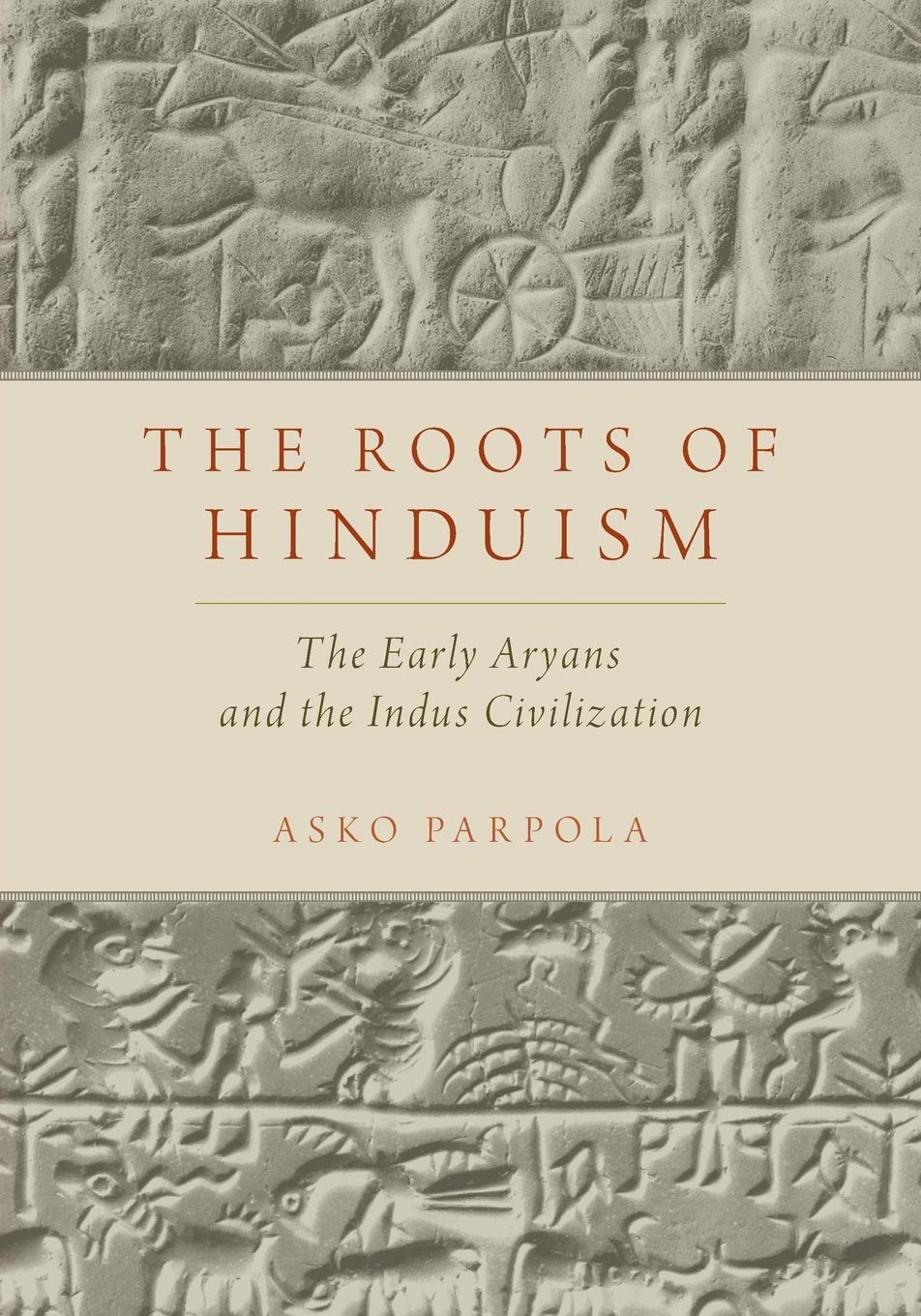
The Roots of Hinduism: The Early Aryans and the Indus Civilization,Used
Sold by Ergodebooks, an authorized reseller.
Returns accepted within 30 days | support@ergodebooks.com
Shipping Information
- Free Standard Shipping — United States only
- Processing Time: 3–5 business days
- Estimated Delivery: 6–10 business days after dispatch
- Double-boxed, fully insured & discreetly packaged
- Tracking number sent via email once dispatched
Returns & Refund
Returns accepted within 30 days of delivery.
Damaged or Defective Item
Free return shipping + replacement or full refund
Wrong Item Received
Free return shipping + replacement or full refund
Change of Mind
Return shipping at customer's expense · 25% restocking fee applies
Payment Option

Hinduism has two major roots. The more familiar is the religion brought to South Asia in the second millennium BCE by speakers of Aryan or IndoIranian languages, a branch of the IndoEuropean language family. Another, more enigmatic, root is the Indus civilization of the third millennium BCE, which left behind exquisitely carved seals and thousands of short inscriptions in a longforgotten pictographic script. Discovered in the valley of the Indus River in the early 1920s, the Indus civilization had a population estimated at one million people, in more than 1000 settlements, several of which were cities of some 50,000 inhabitants. With an area of nearly a million square kilometers, the Indus civilization was more extensive than the contemporaneous urban cultures of Mesopotamia and Egypt. Yet, after almost a century of excavation and research the Indus civilization remains little understood. How might we decipher the Indus inscriptions? What language did the Indus people speak? What deities did they worship?Asko Parpola has spent fifty years researching the roots of Hinduism to answer these fundamental questions, which have been debated with increasing animosity since the rise of Hindu nationalist politics in the 1980s. In this pioneering book, he traces the archaeological route of the IndoIranian languages from the Aryan homeland north of the Black Sea to Central, West, and South Asia. His new ideas on the formation of the Vedic literature and rites and the great Hindu epics hinge on the profound impact that the invention of the horsedrawn chariot had on IndoAryan religion. Parpola's comprehensive assessment of the Indus language and religion is based on all available textual, linguistic and archaeological evidence, including West Asian sources and the Indus script. The results affirm cultural and religious continuity to the present day and, among many other things, shed new light on the prehistory of the key Hindu goddess Durga and her Tantric cult.
⚠️ WARNING (California Proposition 65):
This product may contain chemicals known to the State of California to cause cancer, birth defects, or other reproductive harm.
For more information, please visit www.P65Warnings.ca.gov.