
Title
The Ruins Of Experience: Scotland'S 'Romantick' Highlands And The Birth Of The Modern Witness,Used
Sold by Ergodebooks, an authorized reseller.
Returns accepted within 30 days | support@ergodebooks.com
Shipping Information
- Free Standard Shipping — United States only
- Processing Time: 3–5 business days
- Estimated Delivery: 6–10 business days after dispatch
- Double-boxed, fully insured & discreetly packaged
- Tracking number sent via email once dispatched
Returns & Refund
Returns accepted within 30 days of delivery.
Damaged or Defective Item
Free return shipping + replacement or full refund
Wrong Item Received
Free return shipping + replacement or full refund
Change of Mind
Return shipping at customer's expense · 25% restocking fee applies
Payment Option

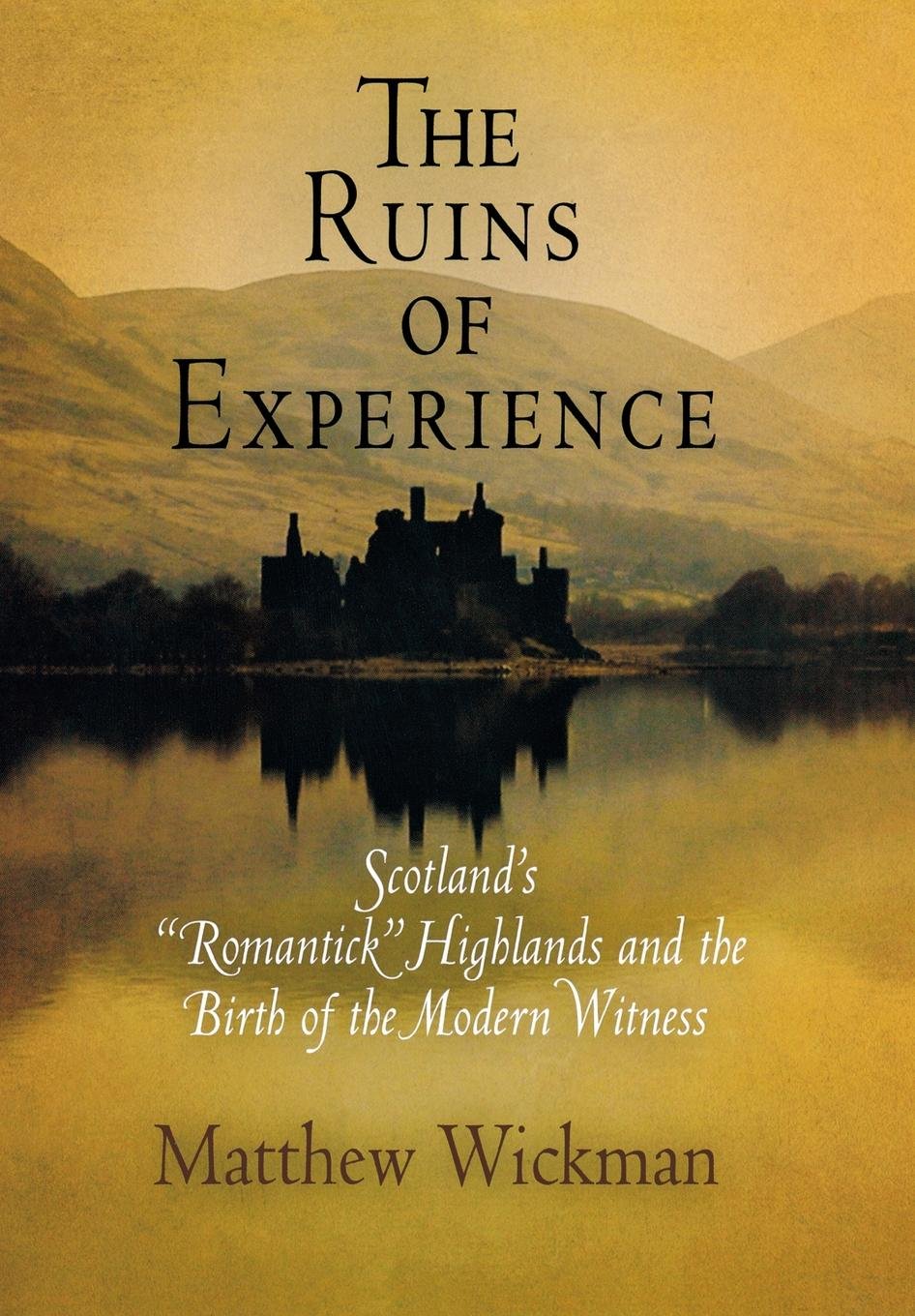
There emerged, during the latter half of the eighteenth century, a reflexive relationship between shifting codes of legal evidence in British courtrooms and the growing fascination throughout Europe with the 'primitive' Scottish Highlands. New methods for determining evidential truth, linked with the growing prominence of lawyers and a formalized division of labor between witnesses and jurors, combined to devalue the authority of witness testimony, magnifying the rupture between experience and knowledge. Juries now pronounced verdicts based not upon the certainty of direct experience but rather upon abstractions of probability or reasonable likelihood.Yet even as these changes were occurring, the Scottish Highlands and Hebridean Islands were attracting increased attention as a region where witness experience in sublime and communal forms had managed to trump enlightened progress and the probabilistic, abstract, and mediated mentality on which the Enlightenment was predicated. There, in a remote corner of Britain, natives and tourists beheld things that surpassed enlightened understanding; experience was becoming all the more alluring to the extent that it signified something other than knowledge.Matthew Wickman examines this uncanny return of experiential authority at the very moment of its supposed decline and traces the alluring improbability of experience into our own time. Thematic in its focus and crossdisciplinary in its approach, The Ruins of Experience situates the literary next to the nonliterary, the old beside the new. Wickman looks to poems, novels, philosophical texts, travel narratives, contemporary theory, and evidential treatises and trial narratives to suggest an alternative historical view of the paradoxical tensions of the Enlightenment and Romantic eras.
⚠️ WARNING (California Proposition 65):
This product may contain chemicals known to the State of California to cause cancer, birth defects, or other reproductive harm.
For more information, please visit www.P65Warnings.ca.gov.