
Title
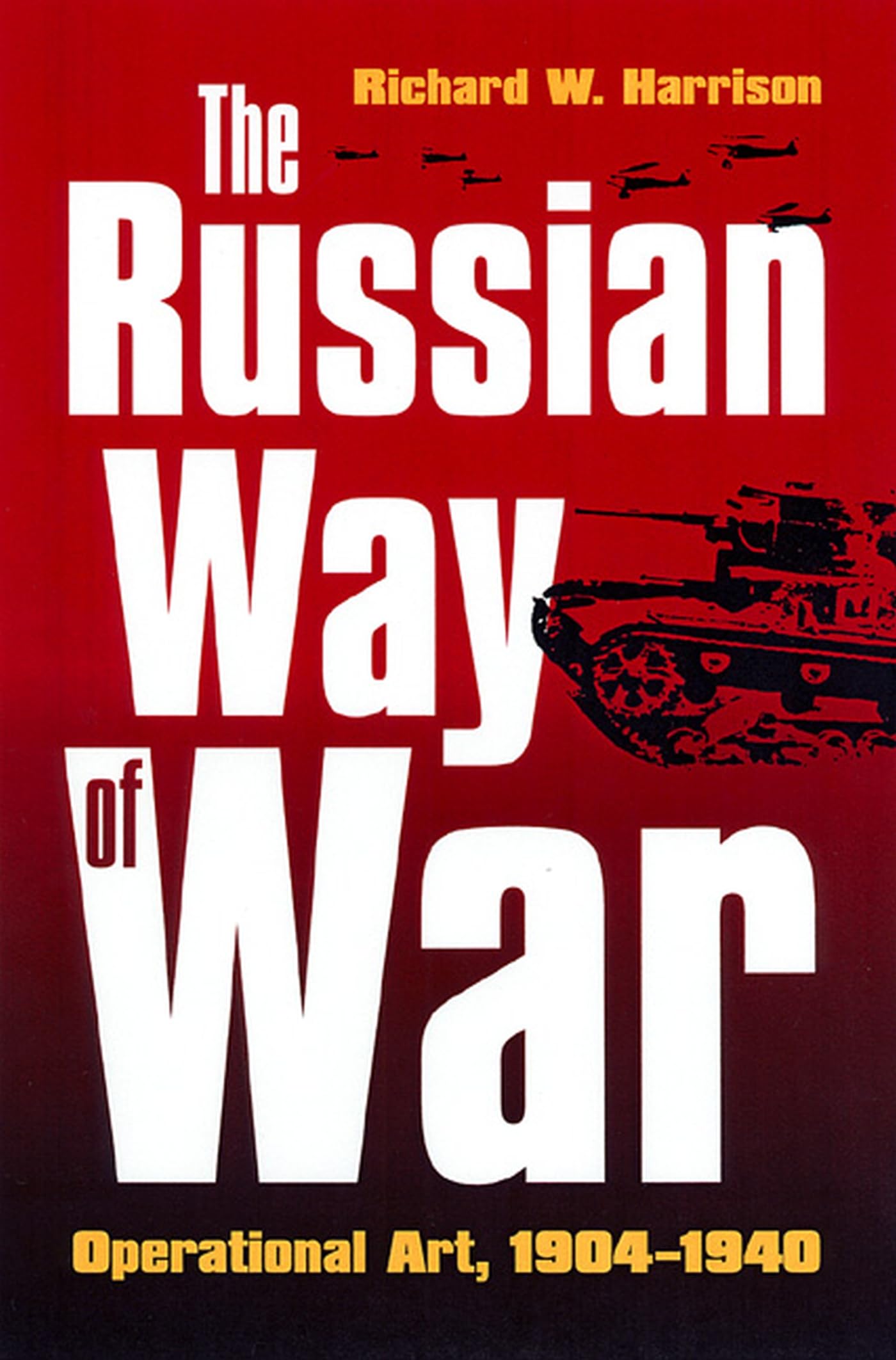
The Russian Way Of War: Operational Art, 19041940
Sold by Ergodebooks, an authorized reseller.
Returns accepted within 30 days | support@ergodebooks.com
Shipping Information
- Free Standard Shipping — United States only
- Processing Time: 3–5 business days
- Estimated Delivery: 6–10 business days after dispatch
- Double-boxed, fully insured & discreetly packaged
- Tracking number sent via email once dispatched
Returns & Refund
Returns accepted within 30 days of delivery.
Damaged or Defective Item
Free return shipping + replacement or full refund
Wrong Item Received
Free return shipping + replacement or full refund
Change of Mind
Return shipping at customer's expense · 25% restocking fee applies
Payment Option

In The First Half Of The Twentieth Century, Both Czarist Russia And Its Successor, The Soviet Union, Were Confronted With The Problem Of Conducting Military Operations Involving Mass Armies Along The Broad Fronts, A Characteristic Of Modern War. Despite The Ideological And Technological Differences Between The Two Regimes, Both Strove Toward A Theory Which Became Known As Operational Artthat Level Of Warfare That Links Strategic Goals To Actual Combat Engagements.From The Russojapanese War Of 19041905, Through World War I, The Civil War, And To The Eve Of World War Ii, Modern Operational Art Grew From Theoretical Speculations By A Small Group Of Officers To Become A Critical Component Of The Soviet Art Of War. In This First Comprehensive Treatment Of The Subject, Richard Harrison Shows How This Theory Emerged And Developed To Becomedespite Radically Different Political Settings And Levels Of Technologyessential To The Red Army'S Victory Over Germany In World War Ii.Tracking Both Continuity And Divergence Between The Imperial And Red Armies, Harrison Analyzes, On The Basis Of Theoretical Writings And Battlefield Performance, The Development Of Such Operationally Significant Phenomena As The Front (Group Of Armies), Consecutive Operations, And The Deep Operation, Which Relied Upon Aircraft And Mechanized Formations To Penetrate The Kind Of Intractable Defense Systems That Characterized So Much Of World War I.Drawing Upon A Wide Range Of Sources, Including Memoirs, Theoretical Works, And Materials From The Russian Military Archives (Many Presented Here For The First Time), Harrison Traces The Debates Within The Russian And Soviet Armies That Engaged Such Theorists As Neznamov, Svechin, Triandafillov, And Isserson. The End Result Is An Exemplary Military Intellectual History That Helps Illuminate A Critical Element In The Russian Way Of War.
⚠️ WARNING (California Proposition 65):
This product may contain chemicals known to the State of California to cause cancer, birth defects, or other reproductive harm.
For more information, please visit www.P65Warnings.ca.gov.
- Q: What are the dimensions of the book? A: The book measures six point twenty-six inches in length, one point five inches in width, and nine point twenty-five inches in height.
- Q: How many pages does the book have? A: The book contains three hundred sixty-eight pages, providing a comprehensive treatment of its subject matter.
- Q: What type of binding does this book have? A: This book is bound in hardcover, ensuring durability and longevity for readers.
- Q: Who is the author of 'The Russian Way of War'? A: The author is Richard W. Harrison, who extensively researched the military history discussed in the book.
- Q: What genre does this book fall under? A: This book is categorized under Strategy, focusing on military operational art.
- Q: Is this book suitable for beginners in military history? A: Yes, the book is suitable for beginners as it provides a comprehensive overview of operational art during a key historical period.
- Q: Can I use this book for academic research? A: Yes, this book is an excellent resource for academic research on military strategy and operational art.
- Q: Is there a specific reading level for this book? A: The book is appropriate for adults and advanced students due to its complex military themes and historical analysis.
- Q: How should I store the book to keep it in good condition? A: Store the book upright on a shelf in a cool, dry place to prevent damage from moisture and sunlight.
- Q: What is the condition of the book? A: This is a used book in good condition, meaning it may show some signs of wear but remains fully functional.
- Q: What if I receive a damaged copy of the book? A: If you receive a damaged copy, you should contact the seller for their return policy and possible exchanges.
- Q: Is there a warranty for this book? A: Typically, books do not come with a warranty, but check with the seller for any specific guarantees.
- Q: Can I return the book if I don't like it? A: Returns depend on the seller's policy, so be sure to review their return terms before purchasing.
- Q: Are there any discussions of modern military strategy in the book? A: Yes, the book discusses the evolution of operational art and its relevance to modern military strategy.
- Q: Does this book include primary sources or historical documents? A: Yes, the book draws on a wide range of sources, including memoirs and theoretical works from Russian military archives.
- Q: Is the content appropriate for all audiences? A: The content is primarily aimed at adults and may not be suitable for younger readers due to complex themes of military history.