
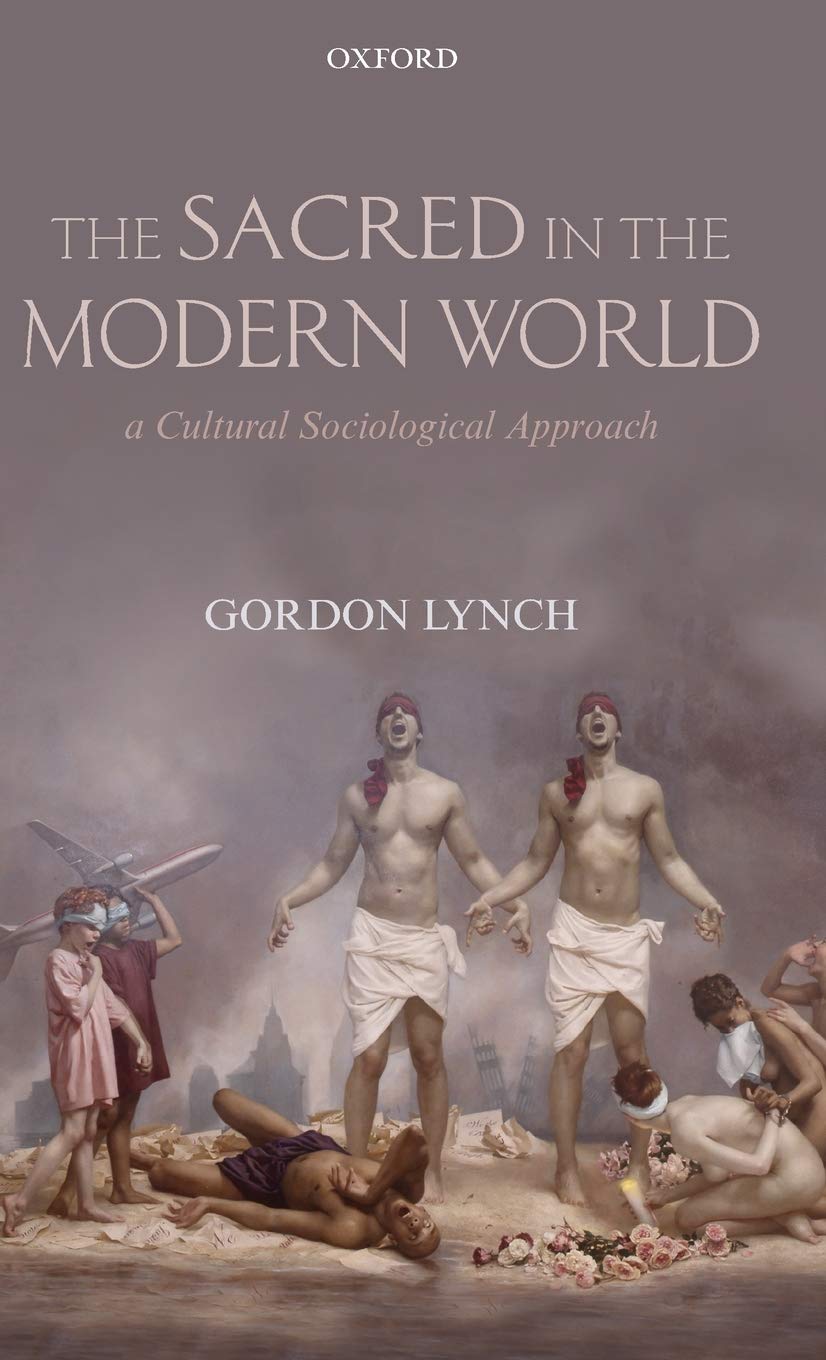
Title
The Sacred In The Modern World: A Cultural Sociological Approach
Sold by Ergodebooks, an authorized reseller.
Returns accepted within 30 days | support@ergodebooks.com
Shipping Information
- Free Standard Shipping — United States only
- Processing Time: 3–5 business days
- Estimated Delivery: 6–10 business days after dispatch
- Double-boxed, fully insured & discreetly packaged
- Tracking number sent via email once dispatched
Returns & Refund
Returns accepted within 30 days of delivery.
Damaged or Defective Item
Free return shipping + replacement or full refund
Wrong Item Received
Free return shipping + replacement or full refund
Change of Mind
Return shipping at customer's expense · 25% restocking fee applies
Payment Option

It is often claimed that we live in a secular age. But we do not live in a desacralized one. Sacred forms whether in 'religious' or 'secular' guise continue to shape social life in the modern world, giving rise to powerful emotions, polarized group identities, and even the very concept of moral society. Analyzing contemporary sacred forms is essential if we are to be able to make sense of the societies we live in and think critically about the effects of the sacred on our lives for good or ill.The Sacred in the Modern World is a major contribution to this task. Reinterpreting Durkheim's theory of the sacred, and drawing on the 'strong program' in cultural sociology, Gordon Lynch sets out a theory of the sacred that can be used by researchers across a range of humanities and social science disciplines. Using vividly drawn contemporary case material including the abuse and neglect of children in Irish residential schools and the controversy over the BBC's decision not to air an appeal for aid for Gaza the book demonstrates the value of this theoretical approach for social and cultural analysis. The key role of public media for the circulation and contestation of the sacred comes under close scrutiny. Adopting a critical stance towards sacred forms, Lynch reflects upon the ways in which sacred commitments can both serve as a moral resource for social life and legitimate horrifying acts of collective evil. He concludes by reflecting on how we might live thoughtfully and responsibility under the light and shadow that the sacred casts, asking whether society without the sacred is possible or desirable.
⚠️ WARNING (California Proposition 65):
This product may contain chemicals known to the State of California to cause cancer, birth defects, or other reproductive harm.
For more information, please visit www.P65Warnings.ca.gov.