
Title
The Science of Bureaucracy: Risk DecisionMaking and the US Environmental Protection Agency (Inside Technology),Used
Sold by Ergodebooks, an authorized reseller.
Returns accepted within 30 days | support@ergodebooks.com
Shipping Information
- Free Standard Shipping — United States only
- Processing Time: 3–5 business days
- Estimated Delivery: 6–10 business days after dispatch
- Double-boxed, fully insured & discreetly packaged
- Tracking number sent via email once dispatched
Returns & Refund
Returns accepted within 30 days of delivery.
Damaged or Defective Item
Free return shipping + replacement or full refund
Wrong Item Received
Free return shipping + replacement or full refund
Change of Mind
Return shipping at customer's expense · 25% restocking fee applies
Payment Option

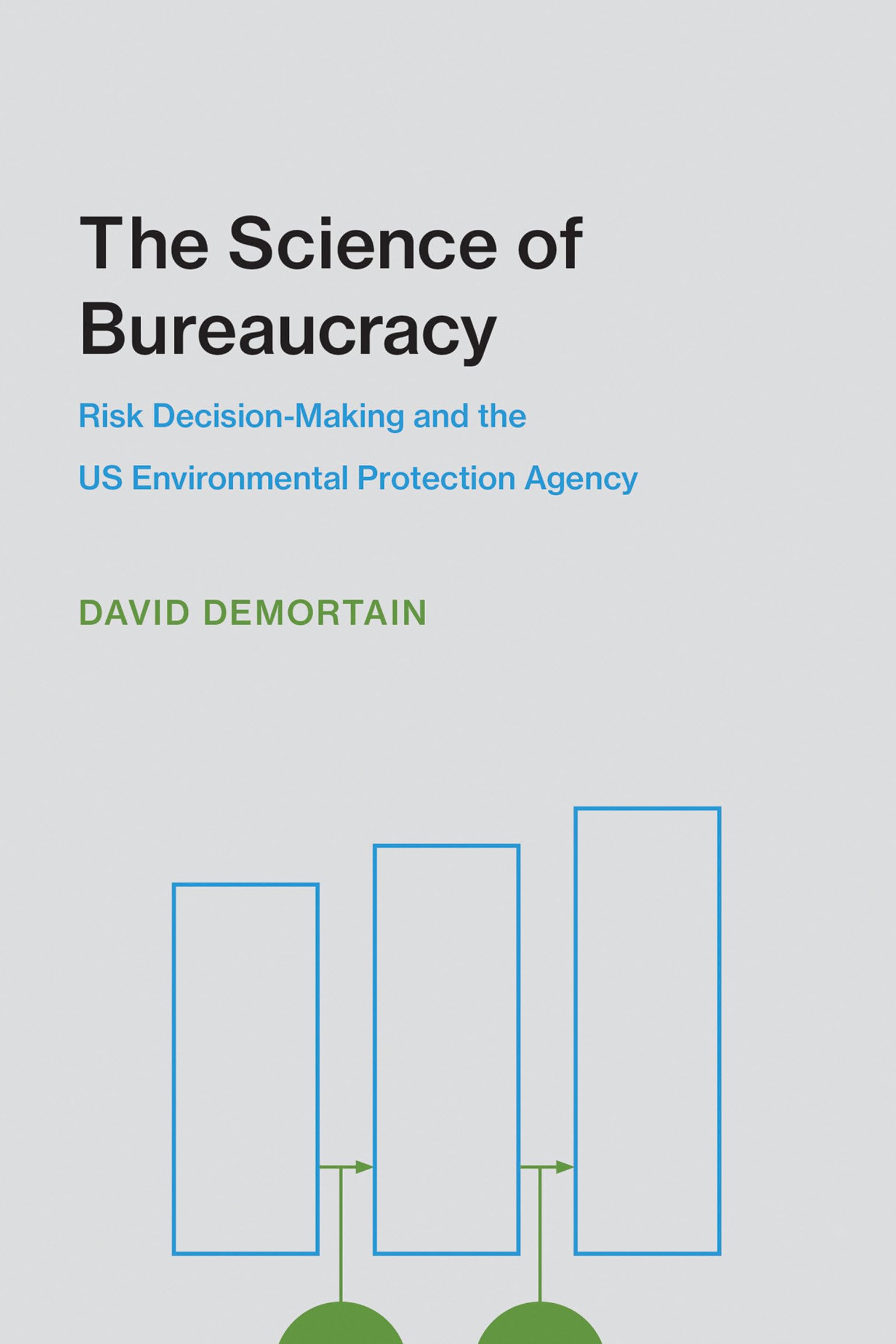
How the US Environmental Protection Agency designed the governance of risk and forged its legitimacy over the course of four decades.The US Environmental Protection Agency was established in 1970 to protect the public health and environment, administering and enforcing a range of statutes and programs. Over four decades, the EPA has been a risk bureaucracy, formalizing many of the methods of the scientific governance of risk, from quantitative risk assessment to risk ranking.Demortain traces the creation of these methods for the governance of risk, the controversies to which they responded, and the controversies that they aroused in turn. He discusses the professional networks in which they were conceived; how they were used; and how they served to legitimize the EPA. Demortain argues that the EPA is structurally embedded in controversy, resulting in constant reevaluation of its credibility and fueling the evolution of the knowledge and technologies it uses to produce decisions and to create a legitimate image of how and why it acts on the environment. He describes the emergence and institutionalization of the risk assessmentrisk management framework codified in the National Research Council's Red Book, and its subsequent unraveling as the agency's mission evolved toward environmental justice, ecological restoration, and sustainability, and as controversies over determining risk gained vigor in the 1990s.Through its rise and fall at the EPA, risk decisionmaking enshrines the science of a bureaucracy that learns how to make credible decisions and to reform itself, amid constant conflicts about the environment, risk, and its own legitimacy.
⚠️ WARNING (California Proposition 65):
This product may contain chemicals known to the State of California to cause cancer, birth defects, or other reproductive harm.
For more information, please visit www.P65Warnings.ca.gov.