
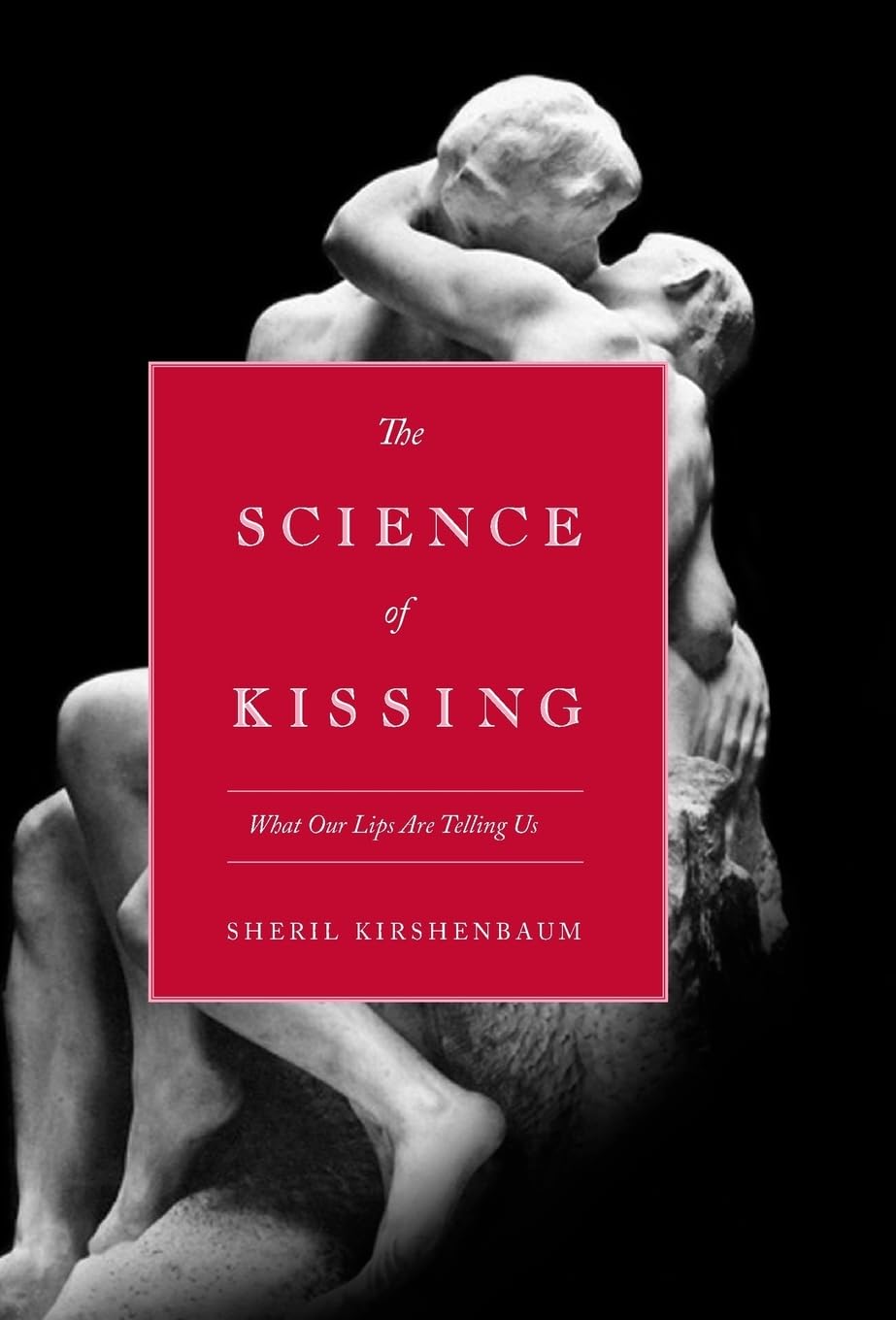
Title
The Science of Kissing: What Our Lips Are Telling Us,Used
Sold by Ergodebooks, an authorized reseller.
Returns accepted within 30 days | support@ergodebooks.com
Shipping Information
- Free Standard Shipping — United States only
- Processing Time: 3–5 business days
- Estimated Delivery: 6–10 business days after dispatch
- Double-boxed, fully insured & discreetly packaged
- Tracking number sent via email once dispatched
Returns & Refund
Returns accepted within 30 days of delivery.
Damaged or Defective Item
Free return shipping + replacement or full refund
Wrong Item Received
Free return shipping + replacement or full refund
Change of Mind
Return shipping at customer's expense · 25% restocking fee applies
Payment Option

From a noted science journalist comes a wonderfully witty and fascinating exploration of how and why we kiss.When did humans begin to kiss? Why is kissing integral to some cultures and alien to others? Do good kissers make the best lovers? And is that expensive lipplumping gloss worth it? Sheril Kirshenbaum, a biologist and science journalist, tackles these questions and more in The Science of a Kiss. It's everything you always wanted to know about kissing but either haven't asked, couldn't find out, or didn't realize you should understand.The book is informed by the latest studies and theories, but Kirshenbaum's engaging voice gives the information a light touch. Topics range from the kind of kissing men like to do (as distinct from women) to what animals can teach us about the kiss to whether or not the true art of kissing was lost sometime in the Dark Ages. Drawing upon classical history, evolutionary biology, psychology, popular culture, and more, Kirshenbaum's winning book will appeal to romantics and armchair scientists alike.
⚠️ WARNING (California Proposition 65):
This product may contain chemicals known to the State of California to cause cancer, birth defects, or other reproductive harm.
For more information, please visit www.P65Warnings.ca.gov.