
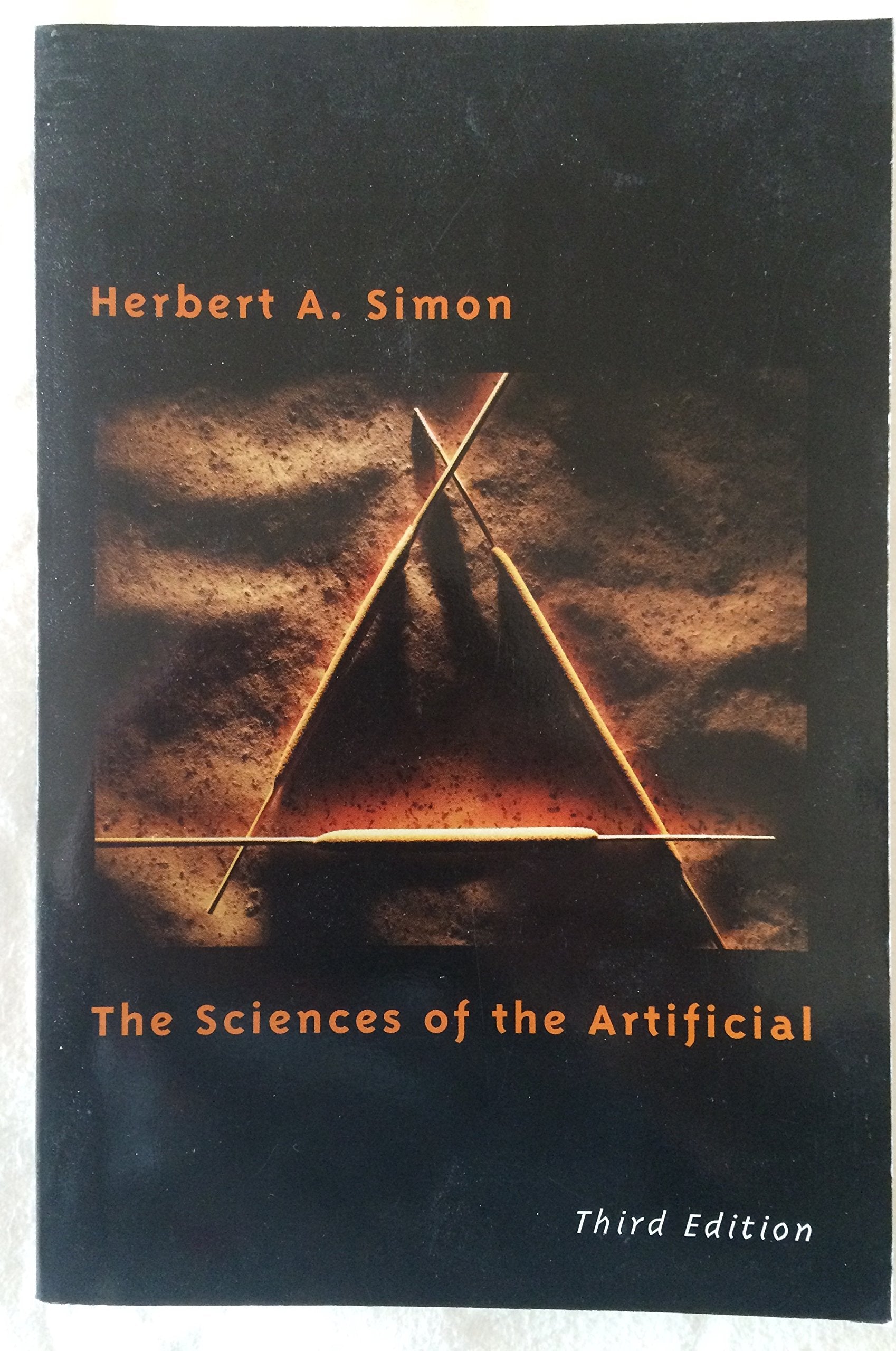
Title
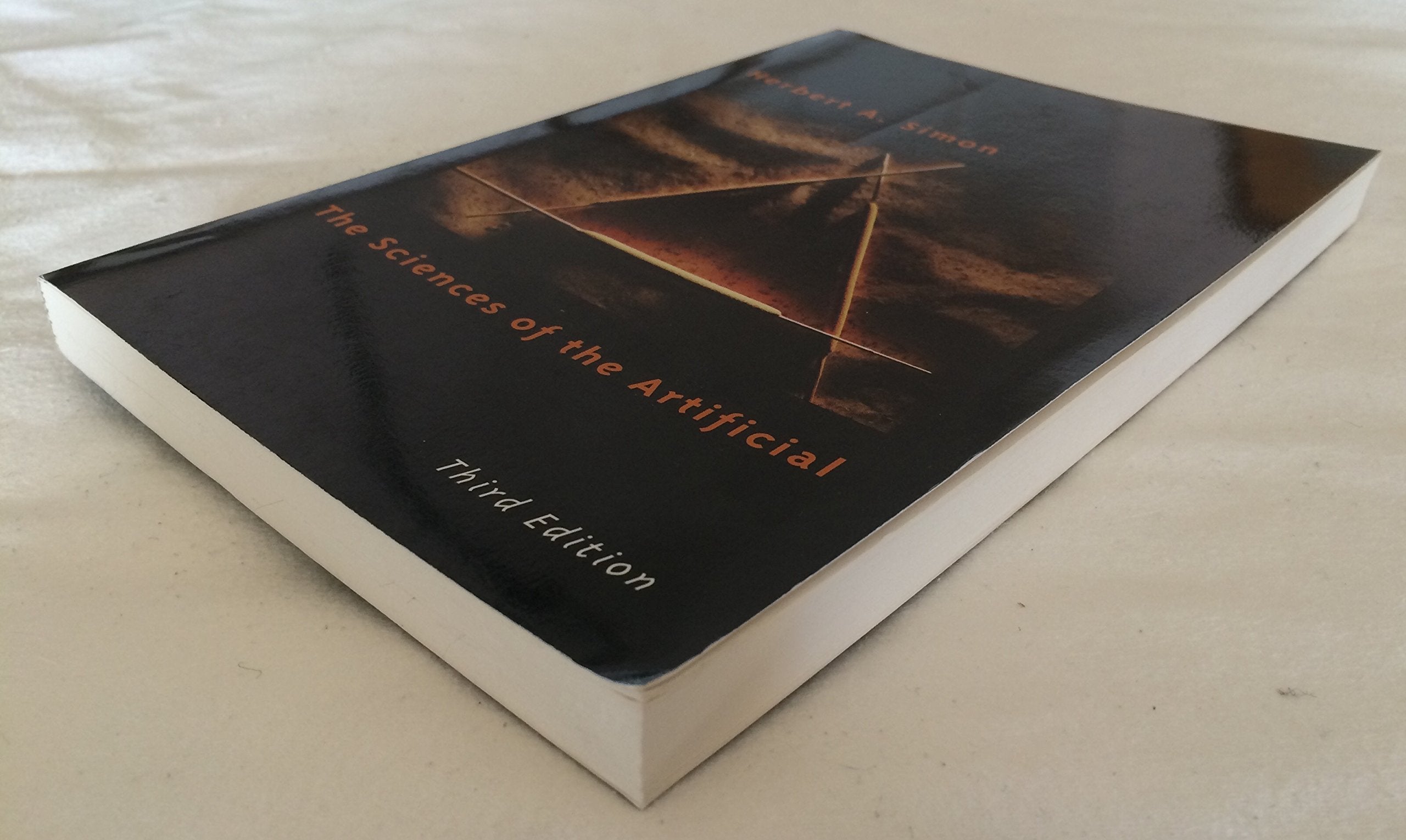
The Sciences of the Artificial 3rd Edition,Used
Sold by Ergodebooks, an authorized reseller.
Returns accepted within 30 days | support@ergodebooks.com
Shipping Information
- Free Standard Shipping — United States only
- Processing Time: 3–5 business days
- Estimated Delivery: 6–10 business days after dispatch
- Double-boxed, fully insured & discreetly packaged
- Tracking number sent via email once dispatched
Returns & Refund
Returns accepted within 30 days of delivery.
Damaged or Defective Item
Free return shipping + replacement or full refund
Wrong Item Received
Free return shipping + replacement or full refund
Change of Mind
Return shipping at customer's expense · 25% restocking fee applies
Payment Option

Continuing his exploration of the organization of complexity and the science of design, this new edition of Herbert Simon's classic work on artificial intelligence adds a chapter that sorts out the current themes and toolschaos, adaptive systems, genetic algorithmsfor analyzing complexity and complex systems. There are updates throughout the book as well. These take into account important advances in cognitive psychology and the science of design while confirming and extending the book's basic thesis: that a physical symbol system has the necessary and sufficient means for intelligent action. The chapter Economic Reality has also been revised to reflect a change in emphasis in Simon's thinking about the respective roles of organizations and markets in economic systems.
⚠️ WARNING (California Proposition 65):
This product may contain chemicals known to the State of California to cause cancer, birth defects, or other reproductive harm.
For more information, please visit www.P65Warnings.ca.gov.
- Q: What is the size of the book? A: The book measures eight point nine inches in length, five point ninety-four inches in width, and zero point fifty-six inches in height.
- Q: How many pages does this book have? A: This book contains two hundred forty-eight pages, providing a comprehensive exploration of its themes.
- Q: What is the binding type of this book? A: This edition features a paperback binding, making it lightweight and easy to handle.
- Q: Who is the author of this book? A: The author of this book is Herbert A. Simon, a notable figure in artificial intelligence and cognitive psychology.
- Q: What category does this book fall under? A: This book is categorized under Intelligence and Semantics, focusing on the science of design and complexity.
- Q: What are the key themes of this book? A: The key themes include artificial intelligence, organization of complexity, and modern tools for analyzing complex systems.
- Q: Is this book suitable for beginners? A: Yes, this book is suitable for beginners interested in understanding artificial intelligence and design principles.
- Q: Can I use this book for academic purposes? A: Yes, this book is suitable for academic purposes, especially in fields related to cognitive psychology and artificial intelligence.
- Q: What edition of the book is this? A: This is the third edition of 'The Sciences of the Artificial,' featuring updated content and themes.
- Q: How should I care for this book? A: To care for this book, store it in a cool, dry place and avoid exposure to direct sunlight to preserve its condition.
- Q: Is there a warranty or return policy for this book? A: Typically, books come with a standard return policy; check with the seller for specific warranty details.
- Q: What if the book arrives damaged? A: If the book arrives damaged, please contact the seller for return instructions and possible replacement options.
- Q: Is this book safe for all audiences? A: Yes, this book is suitable for a general audience, including students, educators, and professionals.
- Q: How does this book compare to other works in the same field? A: This book is considered a foundational text in artificial intelligence, often compared to other seminal works for its depth and insights.
- Q: What updates are included in this edition? A: This edition includes updates on cognitive psychology, design science, and a revised chapter on economic reality.
- Q: Can I read this book if I have no prior knowledge of AI? A: Yes, it is accessible for readers with no prior knowledge, providing explanations of key concepts and theories.