
Title
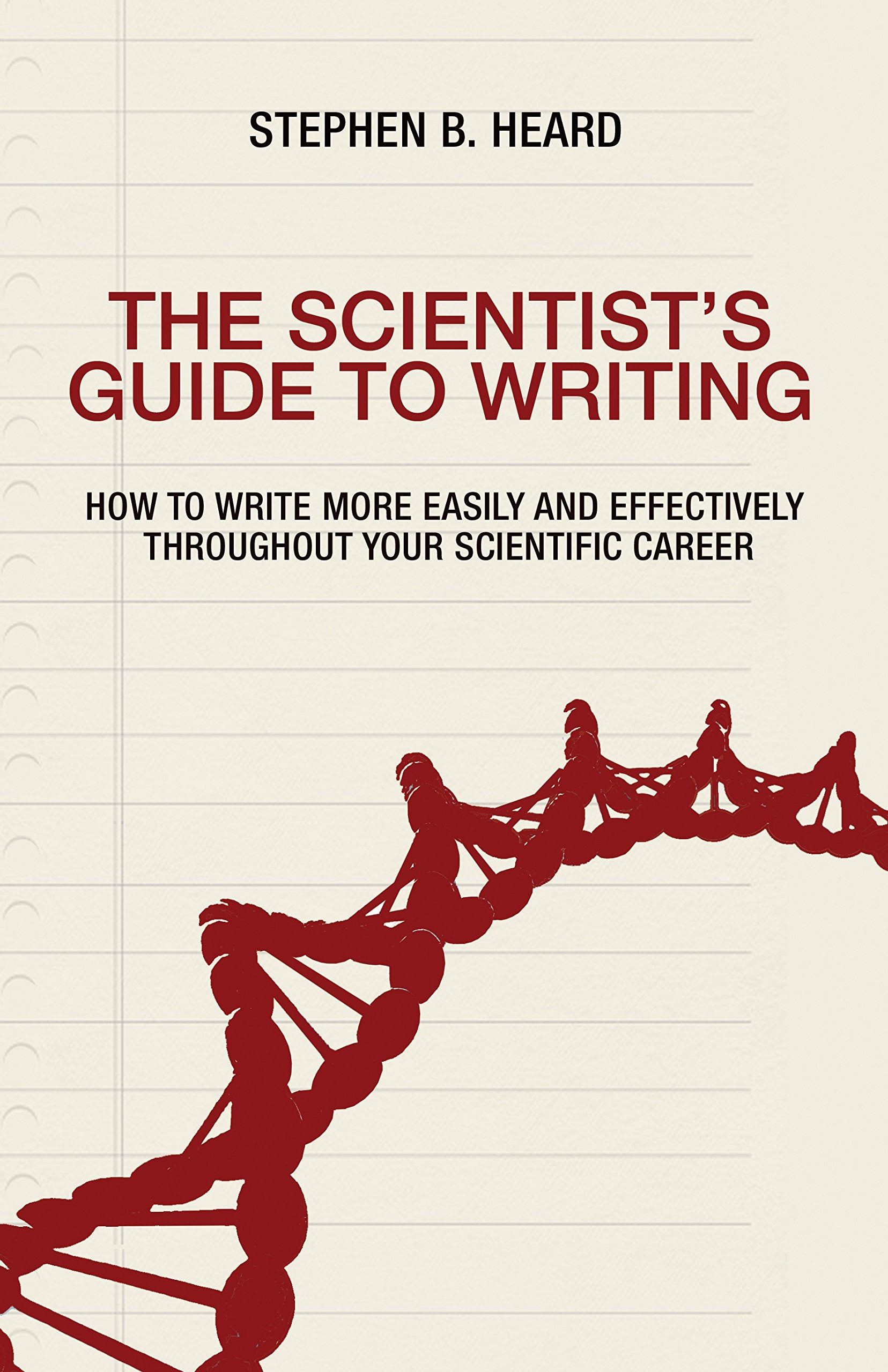
The Scientist's Guide to Writing: How to Write More Easily and Effectively throughout Your Scientific Career,New
Sold by Ergodebooks, an authorized reseller.
Returns accepted within 30 days | support@ergodebooks.com
Shipping Information
- Free Standard Shipping — United States only
- Processing Time: 3–5 business days
- Estimated Delivery: 6–10 business days after dispatch
- Double-boxed, fully insured & discreetly packaged
- Tracking number sent via email once dispatched
Returns & Refund
Returns accepted within 30 days of delivery.
Damaged or Defective Item
Free return shipping + replacement or full refund
Wrong Item Received
Free return shipping + replacement or full refund
Change of Mind
Return shipping at customer's expense · 25% restocking fee applies
Payment Option

A concise and accessible primer on the scientific writer's craftThe ability to write clearly is critical to any scientific career. The Scientist's Guide to Writing provides practical advice to help scientists become more effective writers so that their ideas have the greatest possible impact.Drawing on his own experience as a scientist, graduate adviser, and editor, Stephen Heard emphasizes that the goal of all scientific writing should be absolute clarity; that good writing takes deliberate practice; and that what many scientists need are not long lists of prescriptive rules but rather direct engagement with their behaviors and attitudes when they write. He combines advice on such topics as how to generate and maintain writing momentum with practical tips on structuring a scientific paper, revising a first draft, handling citations, responding to peer reviews, managing coauthorships, and more.In an accessible, informal tone, The Scientist's Guide to Writing explains essential techniques that students, postdoctoral researchers, and earlycareer scientists need to write more clearly, efficiently, and easily.Emphasizes writing as a process, not just a product Encourages habits that improve motivation and productivity Explains the structure of the scientific paper and the function of each part Provides detailed guidance on submission, review, revision, and publication Addresses issues related to coauthorship, English as a second language, and more
⚠️ WARNING (California Proposition 65):
This product may contain chemicals known to the State of California to cause cancer, birth defects, or other reproductive harm.
For more information, please visit www.P65Warnings.ca.gov.
- Q: What is the main focus of The Scientist's Guide to Writing? A: The main focus is on helping scientists write clearly and effectively throughout their careers, emphasizing clarity as a critical component of scientific writing.
- Q: Who is the author of this book? A: The author is Stephen B. Heard, who draws from his experience as a scientist, graduate adviser, and editor.
- Q: What are the key topics covered in the book? A: The book covers topics such as generating writing momentum, structuring scientific papers, revising drafts, managing citations, responding to peer reviews, and coauthorship.
- Q: Is this guide suitable for early-career scientists? A: Yes, it is designed specifically for students, postdoctoral researchers, and early-career scientists to improve their writing skills.
- Q: What is the publication date of The Scientist's Guide to Writing? A: The book was published on April 12, 2016.
- Q: How many pages does the book have? A: The Scientist's Guide to Writing has 316 pages.
- Q: What format is the book available in? A: The book is available in paperback format.
- Q: Does the book provide tips on handling peer reviews? A: Yes, it includes practical advice on responding to peer reviews and navigating the review process.
- Q: What writing habits does the book encourage? A: The book encourages habits that enhance motivation and productivity in writing.
- Q: Does The Scientist's Guide to Writing address issues related to non-native English speakers? A: Yes, it addresses challenges faced by non-native English speakers in scientific writing.