
Title
The SelfAssembling Brain: How Neural Networks Grow Smarter,Used
Sold by Ergodebooks, an authorized reseller.
Returns accepted within 30 days | support@ergodebooks.com
Shipping Information
- Free Standard Shipping — United States only
- Processing Time: 3–5 business days
- Estimated Delivery: 6–10 business days after dispatch
- Double-boxed, fully insured & discreetly packaged
- Tracking number sent via email once dispatched
Returns & Refund
Returns accepted within 30 days of delivery.
Damaged or Defective Item
Free return shipping + replacement or full refund
Wrong Item Received
Free return shipping + replacement or full refund
Change of Mind
Return shipping at customer's expense · 25% restocking fee applies
Payment Option

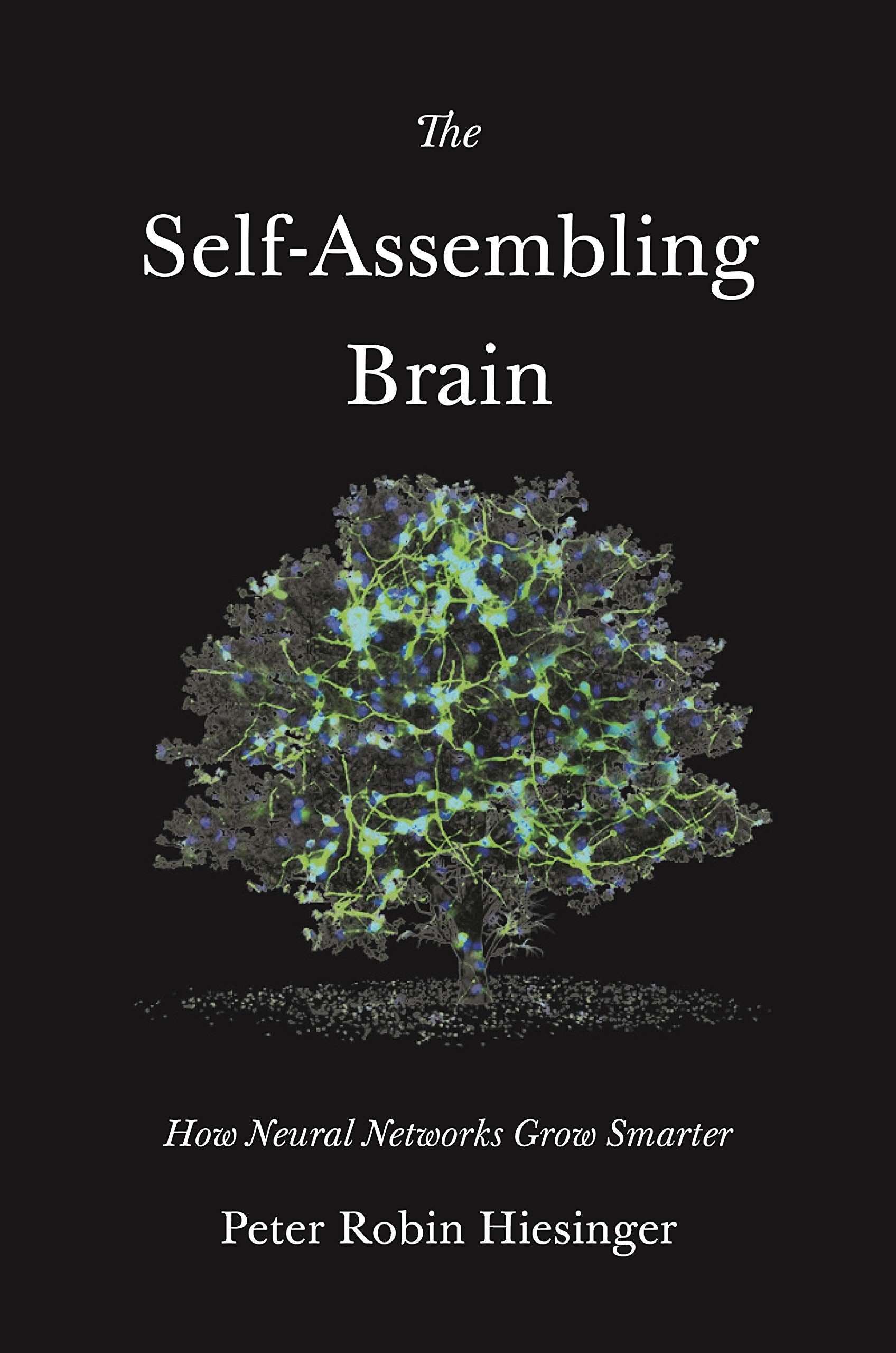
What neurobiology and artificial intelligence tell us about how the brain builds itselfHow does a neural network become a brain? While neurobiologists investigate how nature accomplishes this feat, computer scientists interested in artificial intelligence strive to achieve this through technology. The SelfAssembling Brain tells the stories of both fields, exploring the historical and modern approaches taken by the scientists pursuing answers to the quandary: What information is necessary to make an intelligent neural network?As Peter Robin Hiesinger argues, the information problem underlies both fields, motivating the questions driving forward the frontiers of research. How does genetic information unfold during the yearslong process of human brain developmentand is there a quicker path to creating humanlevel artificial intelligence? Is the biological brain just messy hardware, which scientists can improve upon by running learning algorithms on computers? Can AI bypass the evolutionary programming of grown networks? Through a series of fictional discussions between researchers across disciplines, complemented by indepth seminars, Hiesinger explores these tightly linked questions, highlighting the challenges facing scientists, their different disciplinary perspectives and approaches, as well as the common ground shared by those interested in the development of biological brains and AI systems. In the end, Hiesinger contends that the information content of biological and artificial neural networks must unfold in an algorithmic process requiring time and energy. There is no genome and no blueprint that depicts the final product. The selfassembling brain knows no shortcuts.Written for readers interested in advances in neuroscience and artificial intelligence, The SelfAssembling Brain looks at how neural networks grow smarter.
⚠️ WARNING (California Proposition 65):
This product may contain chemicals known to the State of California to cause cancer, birth defects, or other reproductive harm.
For more information, please visit www.P65Warnings.ca.gov.