
Title
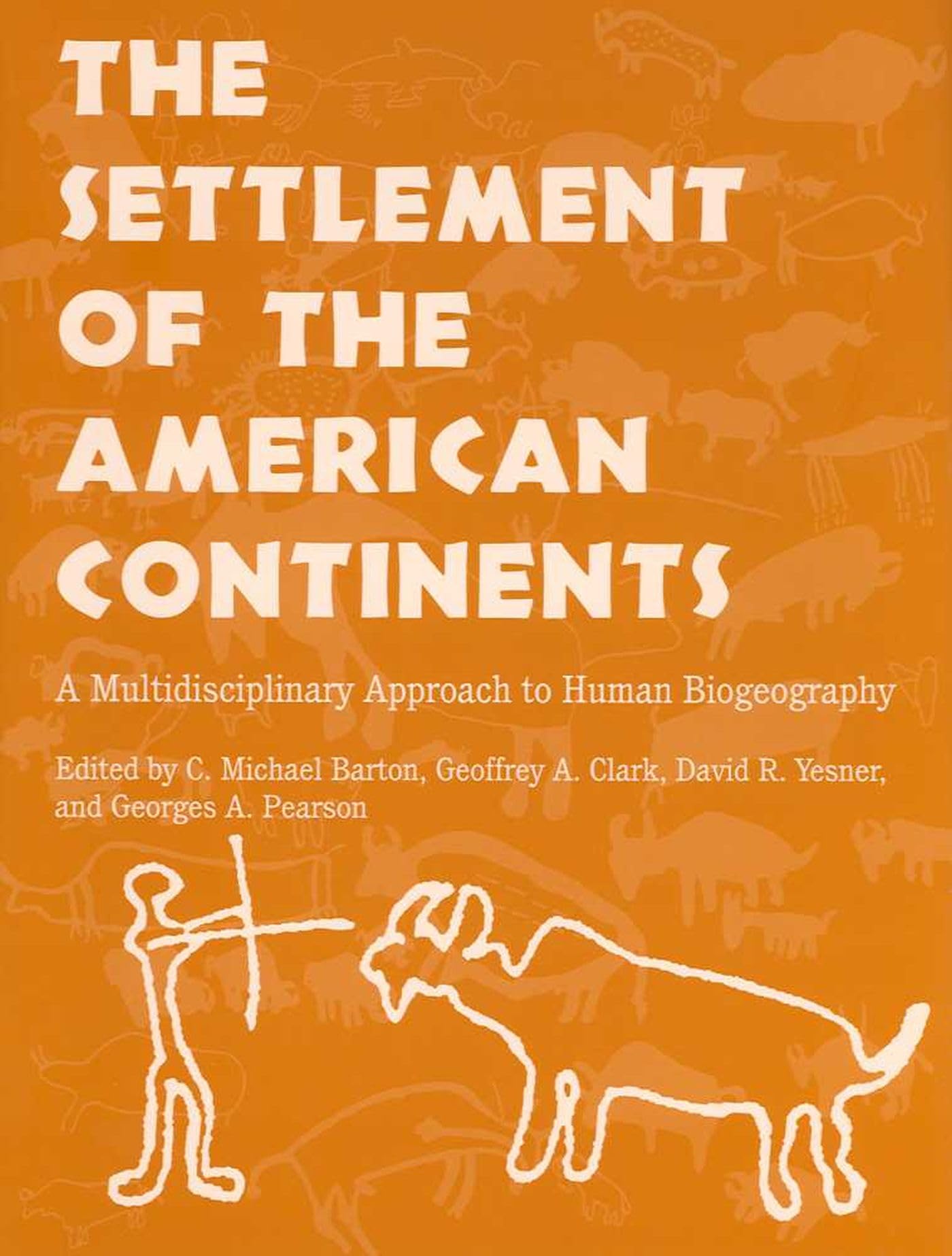
The Settlement Of The American Continents: A Multidisciplinary Approach To Human Biogeography,Used
Sold by Ergodebooks, an authorized reseller.
Returns accepted within 30 days | support@ergodebooks.com
Shipping Information
- Free Standard Shipping — United States only
- Processing Time: 3–5 business days
- Estimated Delivery: 6–10 business days after dispatch
- Double-boxed, fully insured & discreetly packaged
- Tracking number sent via email once dispatched
Returns & Refund
Returns accepted within 30 days of delivery.
Damaged or Defective Item
Free return shipping + replacement or full refund
Wrong Item Received
Free return shipping + replacement or full refund
Change of Mind
Return shipping at customer's expense · 25% restocking fee applies
Payment Option

When many scholars are asked about early human settlement in the Americas, they might point to a handful of archaeological sites as evidence. Yet the process was not a simple one, and today there is no consistent argument favoring a particular scenario for the peopling of the New World.This book approaches the human settlement of the Americas from a biogeographical perspective in order to provide a better understanding of the mechanisms and consequences of this unique event. It considers many of the questions that continue to surround the peopling of the Western Hemisphere, focusing not on sites, dates, and artifacts but rather on theories and models that attempt to explain how the colonization occurred.Unlike other studies, this book draws on a wide range of disciplinesarchaeology, human genetics and osteology, linguistics, ethnology, and ecologyto present the big picture of this migration. Its wideranging content considers who the Pleistocene settlers were and where they came from, their likely routes of migration, and the ecological role of these pioneers and the consequences of colonization. Comprehensive in both geographic and topical coverage, the contributions include an explanation of how the first inhabitants could have spread across North America within several centuries, the most comprehensive review of new mitochondrial DNA and Ychromosome data relating to the colonization, and a critique of recent linguistic theories.Although the authors lean toward a conservative rather than an extreme chronology, this volume goes beyond the simplistic emphasis on dating that has dominated the debate so far to a concern with late Pleistocene forager adaptations and how foragers may have coped with a wide range of environmental and ecological factors. It offers researchers in this exciting field the most complete summary of current knowledge and provides nonspecialists and general readers with new answers to the questions surrounding the origins of the first Americans.
⚠️ WARNING (California Proposition 65):
This product may contain chemicals known to the State of California to cause cancer, birth defects, or other reproductive harm.
For more information, please visit www.P65Warnings.ca.gov.