
Title
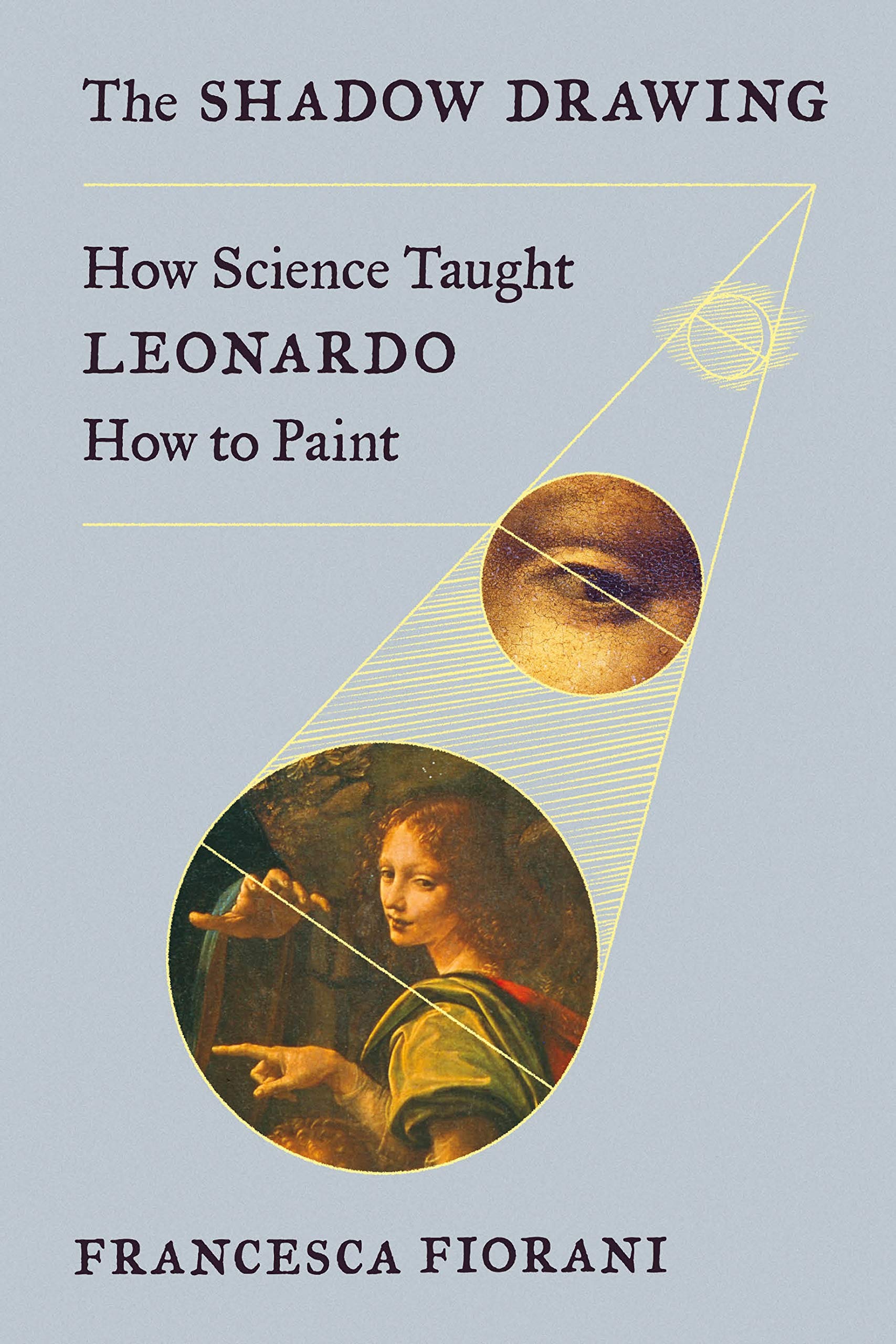
The Shadow Drawing: How Science Taught Leonardo How to Paint,New
Sold by Ergodebooks, an authorized reseller.
Returns accepted within 30 days | support@ergodebooks.com
Shipping Information
- Free Standard Shipping — United States only
- Processing Time: 3–5 business days
- Estimated Delivery: 6–10 business days after dispatch
- Double-boxed, fully insured & discreetly packaged
- Tracking number sent via email once dispatched
Returns & Refund
Returns accepted within 30 days of delivery.
Damaged or Defective Item
Free return shipping + replacement or full refund
Wrong Item Received
Free return shipping + replacement or full refund
Change of Mind
Return shipping at customer's expense · 25% restocking fee applies
Payment Option

[The Shadow Drawing] reorients our perspective, distills a life and brings it into focusthe very work of revision and refining that its subject loved best.' Parul Sehgal, The New York Times Editors' ChoiceAn entirely new account of Leonardo the artist and Leonardo the scientist, and why they were one and the same manLeonardo da Vinci has long been celebrated for his consummate genius. He was the painter who gave us the Mona Lisa and The Last Supper, and the inventor who anticipated the advent of airplanes, hot air balloons, and other technological marvels. But what was the connection between Leonardo the painter and Leonardo the scientist? Historians of Renaissance art have long supposed that Leonardo became increasingly interested in science as he grew older and turned his insatiable curiosity in new directions. They have argued that there are, in effect, two Leonardosan artist and an inventor.In this pathbreaking new interpretation, the art historian Francesca Fiorani offers a different view. Taking a fresh look at Leonardos celebrated but challenging notebooks, as well as other sources, Fiorani argues that Leonardo became familiar with advanced thinking about human vision when he was still an apprentice in a Florence studioand used his understanding of optical science to develop and perfect his painting techniques. For Leonardo, the task of the painter was to capture the interior life of a human subject, to paint the soul. And even at the outset of his career, he believed that mastering the scientific study of light, shadow, and the atmosphere was essential to doing so. Eventually, he set down these ideas in a bookA Treatise on Paintingthat he considered his greatest achievement, though it would be disfigured, ignored, and lost in subsequent centuries.Ranging from the teeming streets of Florence to the most delicate brushstrokes on the surface of the Mona Lisa, The Shadow Drawing vividly reconstructs Leonardos life while teaching us to look anew at his greatest paintings. The result is both stirring biography and a bold reconsideration of how the Renaissance understood science and artand of what was lost when that understanding was forgotten.
⚠️ WARNING (California Proposition 65):
This product may contain chemicals known to the State of California to cause cancer, birth defects, or other reproductive harm.
For more information, please visit www.P65Warnings.ca.gov.