
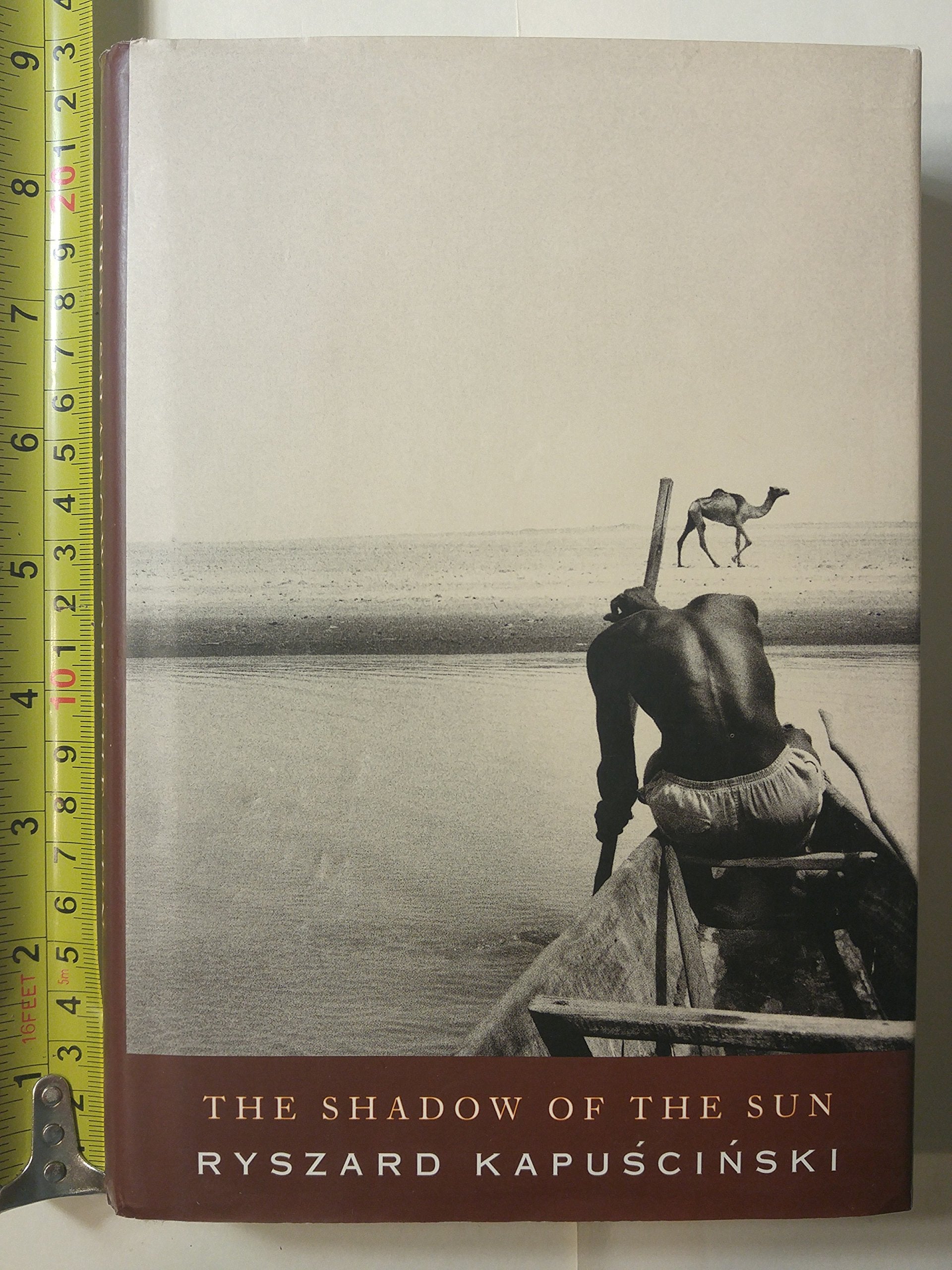
The Shadow Of The Sun,Used
$11.90
Title
The Shadow Of The Sun,Used
Free Standard Shipping Across USA
Quantity
Sold by Ergodebooks, an authorized reseller.
Returns accepted within 30 days | support@ergodebooks.com
Shipping Information
- Free Standard Shipping — United States only
- Processing Time: 3–5 business days
- Estimated Delivery: 6–10 business days after dispatch
- Double-boxed, fully insured & discreetly packaged
- Tracking number sent via email once dispatched
Returns & Refund
Returns accepted within 30 days of delivery.
Damaged or Defective Item
Free return shipping + replacement or full refund
Wrong Item Received
Free return shipping + replacement or full refund
Change of Mind
Return shipping at customer's expense · 25% restocking fee applies
All returns require a Return Authorization (RA) number before sending.
View Full Return & Refund Policy
Payment Option

The Shadow Of The Sun
⚠️ WARNING (California Proposition 65):
This product may contain chemicals known to the State of California to cause cancer, birth defects, or other reproductive harm.
For more information, please visit www.P65Warnings.ca.gov.
- Q: How many pages does The Shadow of the Sun have? A: The Shadow of the Sun has three hundred thirty-six pages. This length provides a comprehensive exploration of Ryszard Kapuscinski's experiences in Africa.
- Q: What is the binding type of The Shadow of the Sun? A: The book is a hardcover edition. This binding type offers durability, making it suitable for long-term reading.
- Q: What are the dimensions of The Shadow of the Sun? A: The dimensions are five point nine eight inches in length, one point one six inches in width, and eight point six six inches in height. These dimensions make it a manageable size for reading.
- Q: What themes are explored in The Shadow of the Sun? A: The book explores themes of colonialism, independence, and the human experience in Africa. Kapuscinski provides insights into the sociopolitical changes occurring across the continent.
- Q: Is The Shadow of the Sun suitable for young readers? A: The book is recommended for mature readers due to its complex themes and discussions of historical events. It may not be appropriate for younger audiences.
- Q: How do I read The Shadow of the Sun effectively? A: To read it effectively, take your time to absorb the rich narratives and reflections. Consider taking notes on key insights and themes for deeper understanding.
- Q: How should I store The Shadow of the Sun? A: Store the book in a cool, dry place to preserve its condition. Avoid direct sunlight to prevent fading of the cover and pages.
- Q: Are there any special care instructions for The Shadow of the Sun? A: No special care instructions are required beyond typical book care. Keep it away from moisture and handle it gently to maintain its quality.
- Q: Is The Shadow of the Sun a good choice for someone interested in African history? A: Yes, it is an excellent choice for readers interested in African history. Kapuscinski's firsthand accounts provide valuable insights into the continent's past and present.
- Q: What if The Shadow of the Sun arrives damaged? A: If the book arrives damaged, contact the seller for return or exchange options. Most sellers provide customer support for such issues.
- Q: Can I return The Shadow of the Sun if I don't like it? A: Yes, you can typically return it if you're not satisfied, according to the seller's return policy. Review the specific policy for timeframes and conditions.
- Q: Is The Shadow of the Sun considered a classic? A: Yes, The Shadow of the Sun is regarded as a classic in modern literature about Africa. Its poignant writing and insights have earned it a lasting place in literary discussions.
- Q: Who is the author of The Shadow of the Sun? A: The author is Ryszard Kapuscinski, a renowned journalist and writer known for his works on Africa and the Third World.
- Q: What is the genre of The Shadow of the Sun? A: The genre of the book is non-fiction, specifically travel literature and memoir. It combines personal narrative with historical analysis.
- Q: Does The Shadow of the Sun cover any specific countries? A: Yes, it covers several countries including Nigeria, Liberia, Rwanda, and Angola, examining their unique sociopolitical landscapes.