
Title
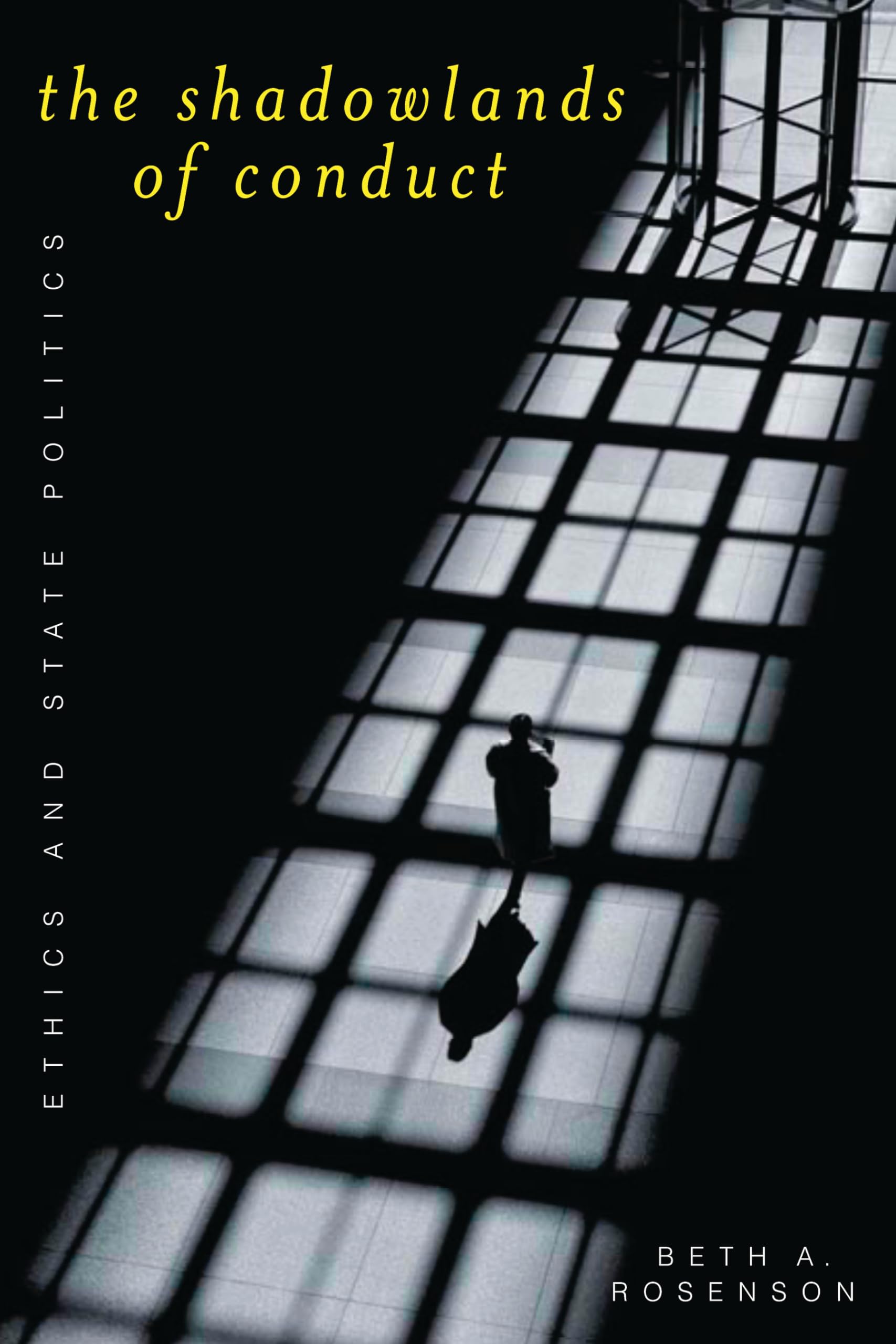
The Shadowlands of Conduct: Ethics and State Politics (American Government and Public Policy),Used
Sold by Ergodebooks, an authorized reseller.
Returns accepted within 30 days | support@ergodebooks.com
Shipping Information
- Free Standard Shipping — United States only
- Processing Time: 3–5 business days
- Estimated Delivery: 6–10 business days after dispatch
- Double-boxed, fully insured & discreetly packaged
- Tracking number sent via email once dispatched
Returns & Refund
Returns accepted within 30 days of delivery.
Damaged or Defective Item
Free return shipping + replacement or full refund
Wrong Item Received
Free return shipping + replacement or full refund
Change of Mind
Return shipping at customer's expense · 25% restocking fee applies
Payment Option

Although the linking of "ethics" and "politics" may seem more like the ingredients for a comedian's monologue, it is a sober issue and one that affects every Americanespecially when it comes to state politics, where the cynical might say ethics can never survive. To find examples of the latest corruption du jour, all one has to do is turn to the newspaper, or switch on the local newscast (think Illinois and New Jersey).Scandals have been ubiquitous since the beginning of the Republic, but it wasn't until 1954 that ethical selfregulation began to move legislatively beyond bribery statutes to address deeper issuesthose which, in New York Governor Thomas Dewey's words, skulked in the "shadowlands of conduct." Rosenson begins her exploration with that moment when New York became the first state to enact a general ethics law, setting standards and guidelines for behavior. Unforgiving and illuminating, she examines the many laws that have been enacted since and the reasons that many of these law came into being.It is crucial to the functioning of a democratic government to understand how and why ethics laws vary across legislatures, and it is surprising to discover that many states have become far more stringent than the U.S. Congress in laws and regulations. Using both qualitative historical sources and rigorous statistical analysis, Rosenson examines when and why, from 1954 to the present, legislators have enacted ethics laws that seem to threaten their own wellbeing. Among the economic, political, and institutional factors considered that have helped or hindered the passage of these laws, the most consistent was pure scandal, abetted by the media. To have good government, one must be able to trust it, and this book can help all citizens understand and find their way out of the shadowlands into the light.
⚠️ WARNING (California Proposition 65):
This product may contain chemicals known to the State of California to cause cancer, birth defects, or other reproductive harm.
For more information, please visit www.P65Warnings.ca.gov.