
Title
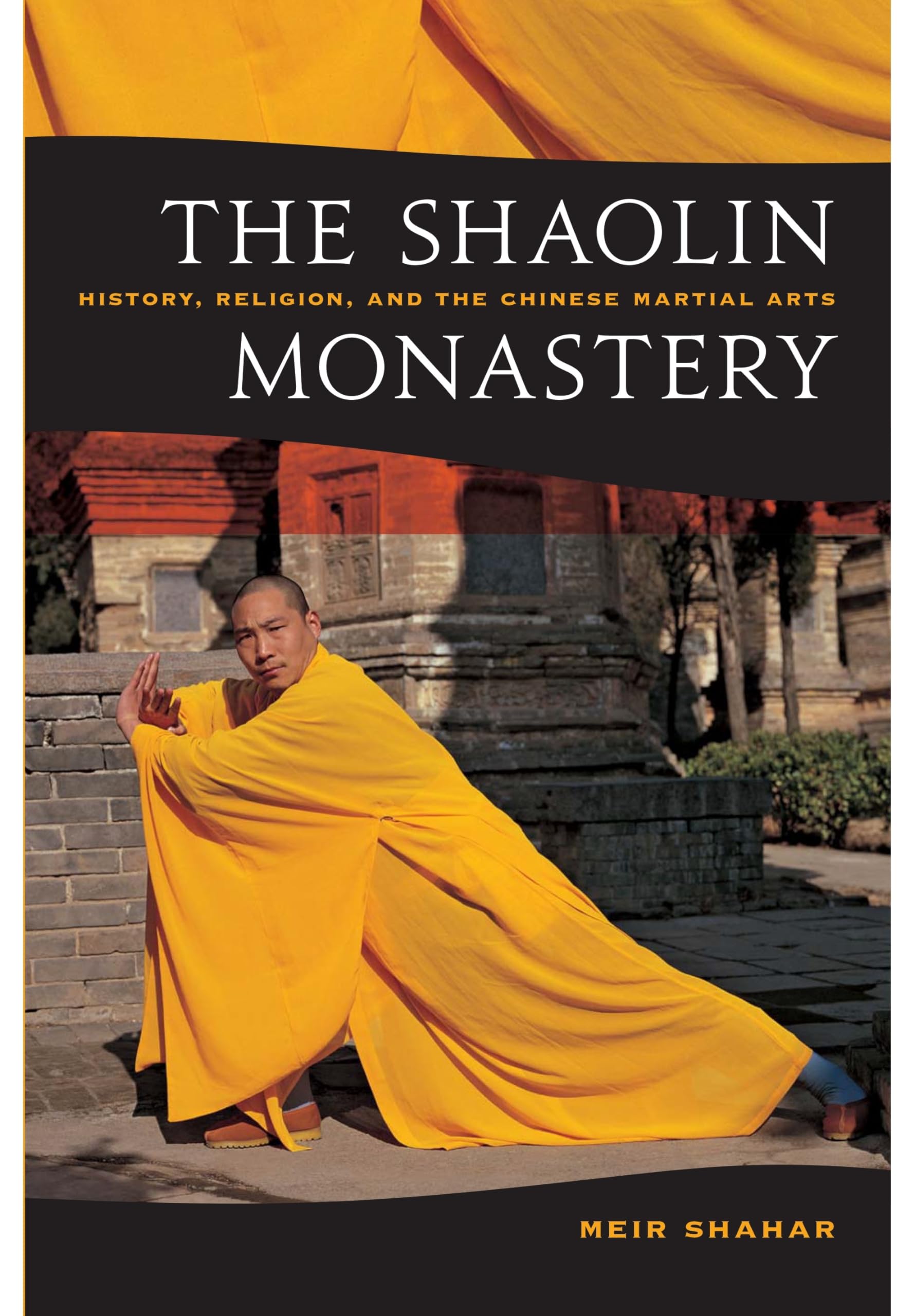
The Shaolin Monastery: History, Religion, And The Chinese Martial Arts
Sold by Ergodebooks, an authorized reseller.
Returns accepted within 30 days | support@ergodebooks.com
Shipping Information
- Free Standard Shipping — United States only
- Processing Time: 3–5 business days
- Estimated Delivery: 6–10 business days after dispatch
- Double-boxed, fully insured & discreetly packaged
- Tracking number sent via email once dispatched
Returns & Refund
Returns accepted within 30 days of delivery.
Damaged or Defective Item
Free return shipping + replacement or full refund
Wrong Item Received
Free return shipping + replacement or full refund
Change of Mind
Return shipping at customer's expense · 25% restocking fee applies
Payment Option

Written In Clear And Lucid Style And Ambitious Both In Scope And Methodology, This Book Offers A Fascinating Window Into Chinese Culture, Religion, And History. Ranging From Historical And Ethnographic Documents To A Wide Variety Of Literary Sources, It Weaves Them All Into A Compelling Narrative. In This Fashion, Shahar Is Uniquely Able To Bring Together Social, Historical, And Mythological Elements, Providing A Demythologized Account Of Martial Chinese Traditions Such As Shaolin Boxing. This Is Sinology At Its Best.Bernard Faure, Columbia UniversityThe Book Clearly Belongs In A New Group Of Books Challenging Conventional Understandings Of Buddhism And Violence. Meir Shahar Documents With Meticulous Accuracy And Mellifluous Prose The Fighting Monks Of Shaolin Monastery In China, Who Appear First In The Tang Dynasty (618907) And Continue To The Present. Scholars Of Buddhism And Chinese History Will Learn Much From The Author'S Scrupulous Analysis Of The Historical Recordparticularly The Texts On Stone Steles At The Monasterythat Documents The Monastery'S Traditions Of Fighting. Anyone Interested In Martial Arts Or Bruce Lee Films Will Find It Fascinating To Learn About The Actual History Of The Monasterys Fighting Techniques. I Found The Book A Powerful And Compelling Read. Valerie Hansen, Yale UniversityMeir Shahar'S Book Will Assure That The Martial Arts Of Shaolin Take A Prominent Place In The History Of Chinese Buddhism. Shahar Has Mastered A Prodigious Amount Of Secondary Scholarship, Pored Over A Wealth Of Primary Documents, And Brought A Critical Rigor To The Study Of These Materials That Is Unprecedented In Any Language. Throughout, His Analysis Is Cogent And Clear. The Result Is A Delightful Tour Of One Of The Most Enigmatic And Compelling Stories Of Chinese Religion: The Emergence And Development Of Martial Arts At Shaolin Si. Entertaining As The Book Is, It Delivers As Well A Meditation On The Sources Of Chinese Religion, And How Fiction And Scripture, Myth And History Combine To Produce Novel Traditions. The Shaolin Monastery Will Appeal Not Only To Scholars Of Chinese Religion, But To Those Interested In Military History, Selfcultivation, Martial Arts, And Popular Culture.John Kieschnick, University Of Bristolthe Shaolin Monastery Charts, For The First Time In Any Language, The History Of The Shaolin Temple And The Evolution Of Its Worldrenowned Martial Arts. In This Meticulously Researched And Eminently Readable Study, Meir Shahar Considers The Economic, Political, And Religious Factors That Led Shaolin Monks To Disregard The Buddhist Prohibition Against Violence And Instead Create Fighting Techniques That By The Twentyfirst Century Have Spread Throughout The World. He Examines The Monks Relations With Successive Chinese Regimes, Beginning With The Assistance They Lent To The Seventhcentury Emperor Li Shimin And Culminating More Than A Millennium Later With Their Complex Relations With Qing Rulers, Who Suspected Them Of Rebellion. He Reveals The Intimate Connection Between Monastic Violence And The Veneration Of The Violent Divinities Of Buddhism And Analyzes The Shaolin Association Of Martial Discipline And The Search For Spiritual Enlightenment.Shahars Exploration Of The Evolution Of Shaolin Fighting Techniques Serves As A Prism Through Which To Consider Martialart History In General. He Correlates The Emergence Of The Famous Barehanded Techniques Of Taiji Quan, Xingyi Quan, And Shaolin Quan In The Sixteenth And Seventeenth Centuries To The Social, Political, And Religious Trends Of That Age. He Then Goes On To Argue That These Techniques Were Created Not Only For Fighting, But Also For Religious And Therapeutic Purposes. Thus His Work Fills An Important Gap In The Understanding Of Chinese Religion And Medicine As Well As The Martial Arts.The Shaolin Monastery Is The Most Exhaustive Study To Date On The Topic And The Most Systematic Introduction To The History And The Religious Co
⚠️ WARNING (California Proposition 65):
This product may contain chemicals known to the State of California to cause cancer, birth defects, or other reproductive harm.
For more information, please visit www.P65Warnings.ca.gov.
- Q: What is the length, width, and height of this book? A: The book measures six point one inches in length, zero point seven one inches in width, and nine point one inches in height.
- Q: How many pages does 'The Shaolin Monastery' have? A: This book contains two hundred ninety-six pages, providing an in-depth exploration of its subject.
- Q: What type of binding does this book have? A: The book is paperback bound, making it lightweight and flexible for reading.
- Q: Who is the author of 'The Shaolin Monastery'? A: The author is Meir Shahar, a scholar known for his work on Chinese culture and martial arts.
- Q: What is the main subject of the book? A: The book focuses on the history and evolution of the Shaolin Temple and its martial arts traditions.
- Q: Is this book appropriate for beginners in martial arts? A: Yes, the book is suitable for beginners as it provides a comprehensive overview of Shaolin martial arts history.
- Q: Can I read this book if I have no prior knowledge of Chinese history? A: Yes, the book is written in a clear and lucid style, making it accessible to readers without prior knowledge.
- Q: What themes are explored in 'The Shaolin Monastery'? A: The book explores themes of history, religion, martial arts, and the socio-political context of the Shaolin monks.
- Q: Is this book suitable for academic study? A: Yes, it is an exhaustive study recommended for scholars interested in Chinese religion and martial arts.
- Q: How should I care for this paperback book? A: To keep the book in good condition, store it in a cool, dry place and avoid exposing it to direct sunlight.
- Q: What if the book arrives damaged? A: If the book arrives damaged, contact the seller for return options or a replacement.
- Q: Is there a warranty for this book? A: Books typically do not come with a warranty, but check with the retailer for their return policy.
- Q: How should I store this book? A: Store the book upright on a shelf to prevent bending and to maintain its shape.
- Q: What if I want to compare this book with other martial arts literature? A: This book is unique in its thorough historical analysis, making it a valuable complement to other martial arts literature.
- Q: Are there any special instructions for handling this book? A: Handle the book gently to avoid creasing the cover and damaging the spine.
- Q: Can I use this book for a research paper? A: Yes, it is an authoritative source that can be used for research on Chinese martial arts and history.