
Title
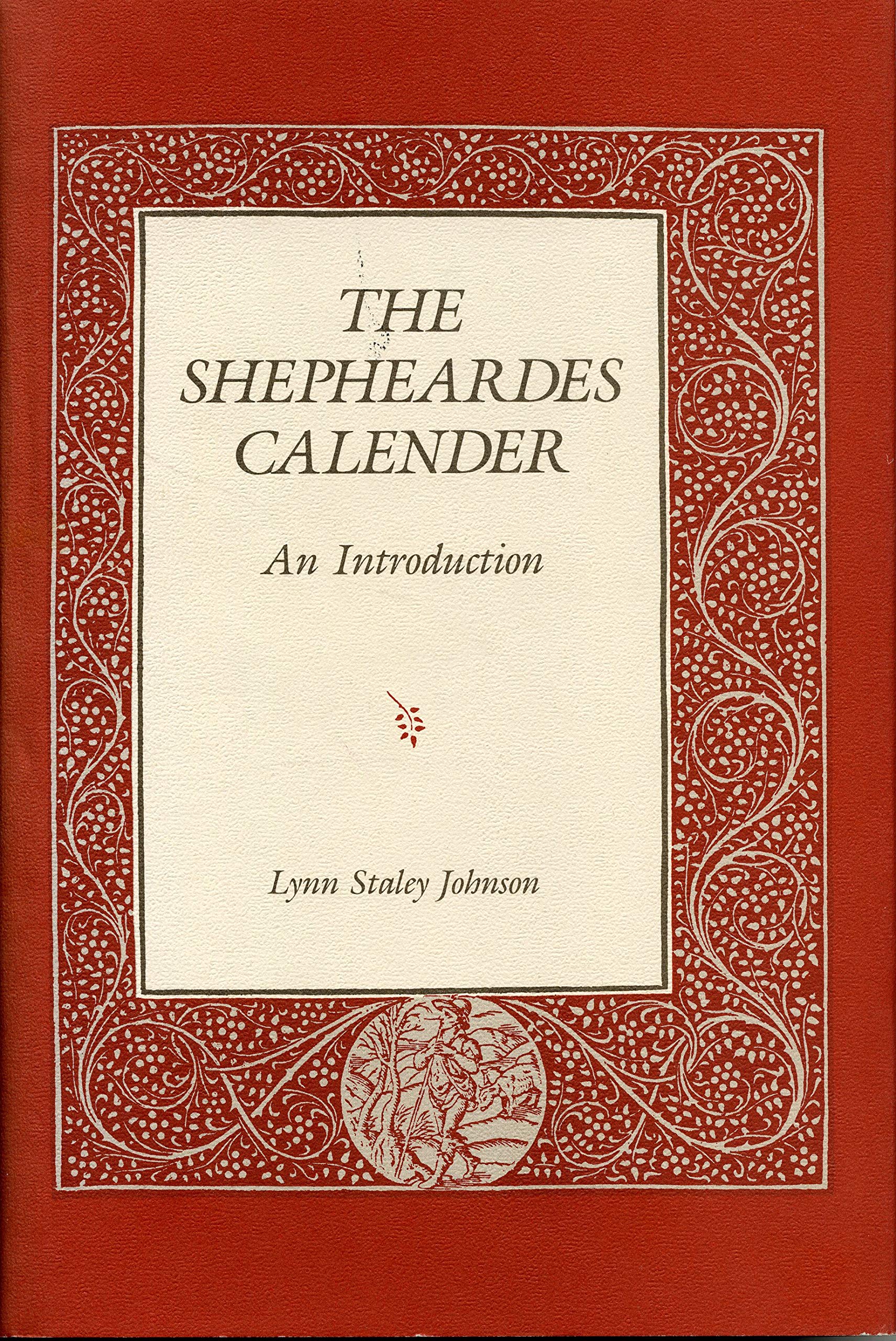
The Shepheardes Calender: An Introduction,New
Sold by Ergodebooks, an authorized reseller.
Returns accepted within 30 days | support@ergodebooks.com
Shipping Information
- Free Standard Shipping — United States only
- Processing Time: 3–5 business days
- Estimated Delivery: 6–10 business days after dispatch
- Double-boxed, fully insured & discreetly packaged
- Tracking number sent via email once dispatched
Returns & Refund
Returns accepted within 30 days of delivery.
Damaged or Defective Item
Free return shipping + replacement or full refund
Wrong Item Received
Free return shipping + replacement or full refund
Change of Mind
Return shipping at customer's expense · 25% restocking fee applies
Payment Option

The Shepheardes Calender is the poem that launched Edmund Spenser's career and changed the direction of English poetry. In this reappraisal, Lynn Staley Johnson demonstrates that Spenser himself made a selfconscious effort to create a new literature, a new esthetic for a new era. Drawing upon a wide range of primary sources, she places the poem in its literary, social, political , and cultural context, contributing to our understanding of the relationship between Spenser and his times. She pays particular attention to the emergence of the myth of Elizabeth and of England during the first half of Elizabeth's reign and the ways in which the young Spenser manipulated the concerns and issues of the time, transforming popular culture into literary expression.By its active engagement with both the present and the past, the Calender suggests Spenser's conception of poetry as informed dialogue designed for social work, offering a reinterpretation of the relationship between the poet and his community. Choosing not to be circumscribed by the voices of his significant historical and literary past, the Calender proclaims the poet, not as transmitter or mediator, but as an active and shaping force, capable of remaking the present by offering his age a picture of a new and potentially more glorious reality.Johnson seeks to bridge the gap between the literature of the Middle Ages and the Renaissance by linking Spenser's strategies and themes to those of his medieval forebears, especially Chaucer. Both Edmund Spenser and his enigmatic Calender stand facing two ways, back into the age dubbed 'middle' and forward, hailing the new; as it's study demonstrates, only by bringing these views into a single focus can we begin to appreciate the radical and innovative nature of a poem that for many heralds the renaissance of English poetry.
⚠️ WARNING (California Proposition 65):
This product may contain chemicals known to the State of California to cause cancer, birth defects, or other reproductive harm.
For more information, please visit www.P65Warnings.ca.gov.