
Title
Harvard University Press The Singing Neanderthals: Origins of Music, Language, Mind & Body
Sold by Ergodebooks, an authorized reseller.
Returns accepted within 30 days | support@ergodebooks.com
Shipping Information
- Free Standard Shipping — United States only
- Processing Time: 3–5 business days
- Estimated Delivery: 6–10 business days after dispatch
- Double-boxed, fully insured & discreetly packaged
- Tracking number sent via email once dispatched
Returns & Refund
Returns accepted within 30 days of delivery.
Damaged or Defective Item
Free return shipping + replacement or full refund
Wrong Item Received
Free return shipping + replacement or full refund
Change of Mind
Return shipping at customer's expense · 25% restocking fee applies
Payment Option

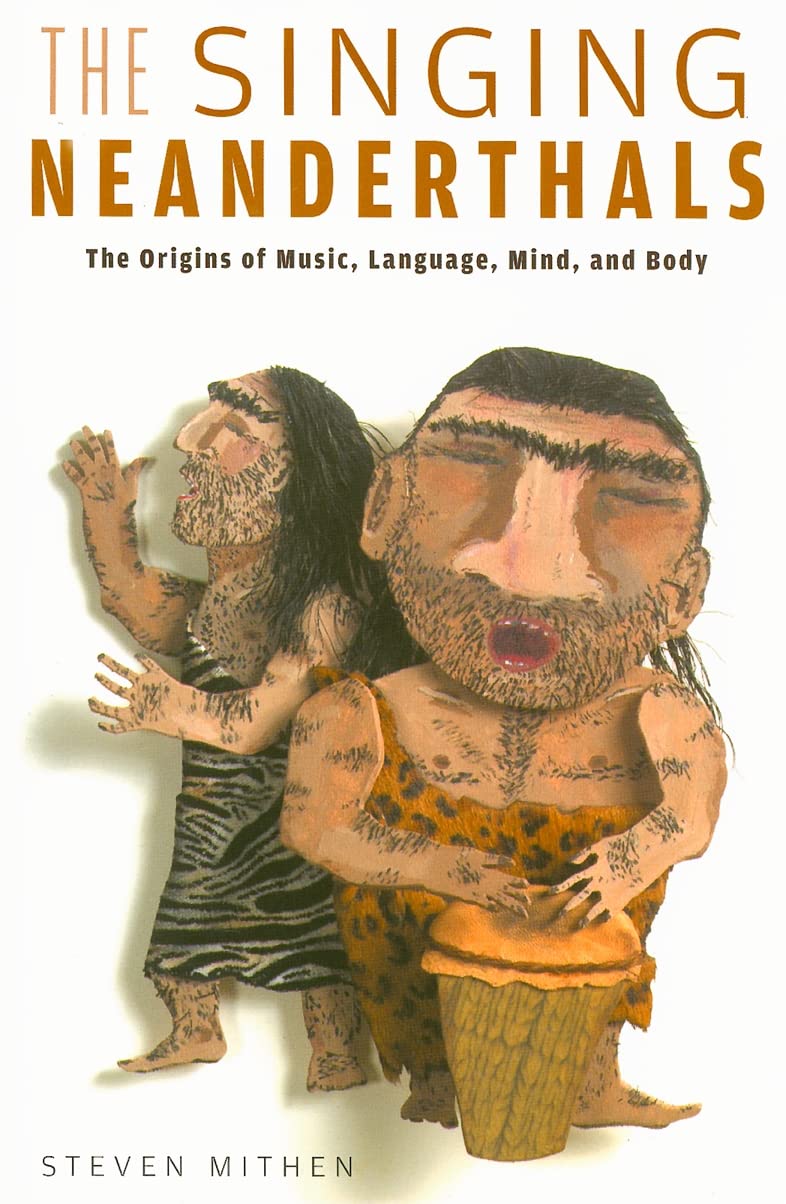
The Singing Neanderthals by Steven Mithen is a profound exploration of the interconnectedness of music, language, and human evolution. This insightful book delves into the mysterious propensity of humankind to create and appreciate music, making it essential reading for anyone interested in anthropology, psychology, and musicology.
In this compelling narrative, Mithen synthesizes research from various disciplines, including archaeology and neuroscience, to propose that music is not merely a cultural artifact but a fundamental aspect of our genetic heritage. The book examines how music relates to language and the evolution of the human body and mind. With scientific rigor and engaging prose, Mithen presents evidence regarding the social structures, cognitive abilities, and expressive behaviors of our hominid ancestors. He constructs a scenario that suggests a shared musical and linguistic heritage, enriched with examples of vocalization, mimicry, and rhythmic movements across species.
Key Features:- Authoritative Insight: Written by Steven Mithen, a leading figure in the fields of anthropology and musicology.
- Cross-Disciplinary Research: Integrates findings from archaeology, psychology, and neuroscience to support its claims.
- Engaging Narrative: Combines scientific rigor with approachable writing, making complex concepts accessible.
- Historical Perspective: Explores the evolution of music from australopithecines to Homo sapiens.
- Foundation for Further Study: Provides a basis for understanding the role of music in human culture and evolution.
- Used Book Condition: Offered as a used book in good condition, providing value for cost-conscious readers.
- Published by Harvard University Press: A reputable publisher known for academic excellence.
The Singing Neanderthals is an invaluable resource for students, educators, and anyone fascinated by the intersection of music and human evolution. This book not only presents compelling arguments for the significance of music in our lives but also encourages readers to reflect on their own connections to this universal language. Ideal for readers seeking a deeper understanding of humanity's musical heritage, it serves as a thought-provoking addition to any collection.
⚠️ WARNING (California Proposition 65):
This product may contain chemicals known to the State of California to cause cancer, birth defects, or other reproductive harm.
For more information, please visit www.P65Warnings.ca.gov.
- Q: What is the page count of 'The Singing Neanderthals'? A: This book contains three hundred eighty-four pages. It offers a comprehensive exploration of the origins of music and language.
- Q: What are the dimensions of this book? A: The dimensions are five point seventy-five inches in length, one point twenty-six inches in width, and eight point twenty-seven inches in height.
- Q: What type of binding does this book have? A: This book is paperback bound. This makes it lightweight and easy to carry.
- Q: Who is the author of 'The Singing Neanderthals'? A: The author is Steven Mithen. He combines insights from various fields to address the evolution of music and language.
- Q: What genre does this book belong to? A: This book falls under the category of History and Criticism. It provides an academic look at the intersection of music, language, and human evolution.
- Q: Is this book suitable for casual readers? A: Yes, this book is suitable for casual readers. Mithen presents complex ideas in an engaging and accessible manner.
- Q: How does this book explain the connection between music and language? A: This book explains that music and language share a common heritage. Mithen uses archaeological and scientific evidence to support his claims.
- Q: Can I use this book for academic purposes? A: Yes, this book is suitable for academic purposes. It includes research from archaeology, psychology, and neuroscience.
- Q: What should I do to keep this book in good condition? A: To keep this book in good condition, store it in a cool, dry place away from direct sunlight. Handle it with care to avoid creases or tears.
- Q: Is 'The Singing Neanderthals' a good gift for someone interested in music? A: Yes, it makes an excellent gift for music enthusiasts. The book explores deep connections between music and human evolution.
- Q: What if the book arrives damaged? A: If the book arrives damaged, you should contact the seller for a return or exchange. Most sellers have policies in place for this situation.
- Q: Is there a warranty for this book? A: No, books typically do not come with a warranty. However, you may return it if it arrives in unsatisfactory condition.
- Q: Can I find this book in libraries? A: Yes, 'The Singing Neanderthals' is often available in libraries. Check your local library's catalog for availability.
- Q: What makes this book unique compared to other works on music? A: This book uniquely combines multiple disciplines like archaeology and neuroscience to explore music's evolutionary roots, making it stand out.
- Q: Does the book include illustrations? A: Yes, the book features illustrations that complement the text. These visuals help convey complex ideas more effectively.