
Title
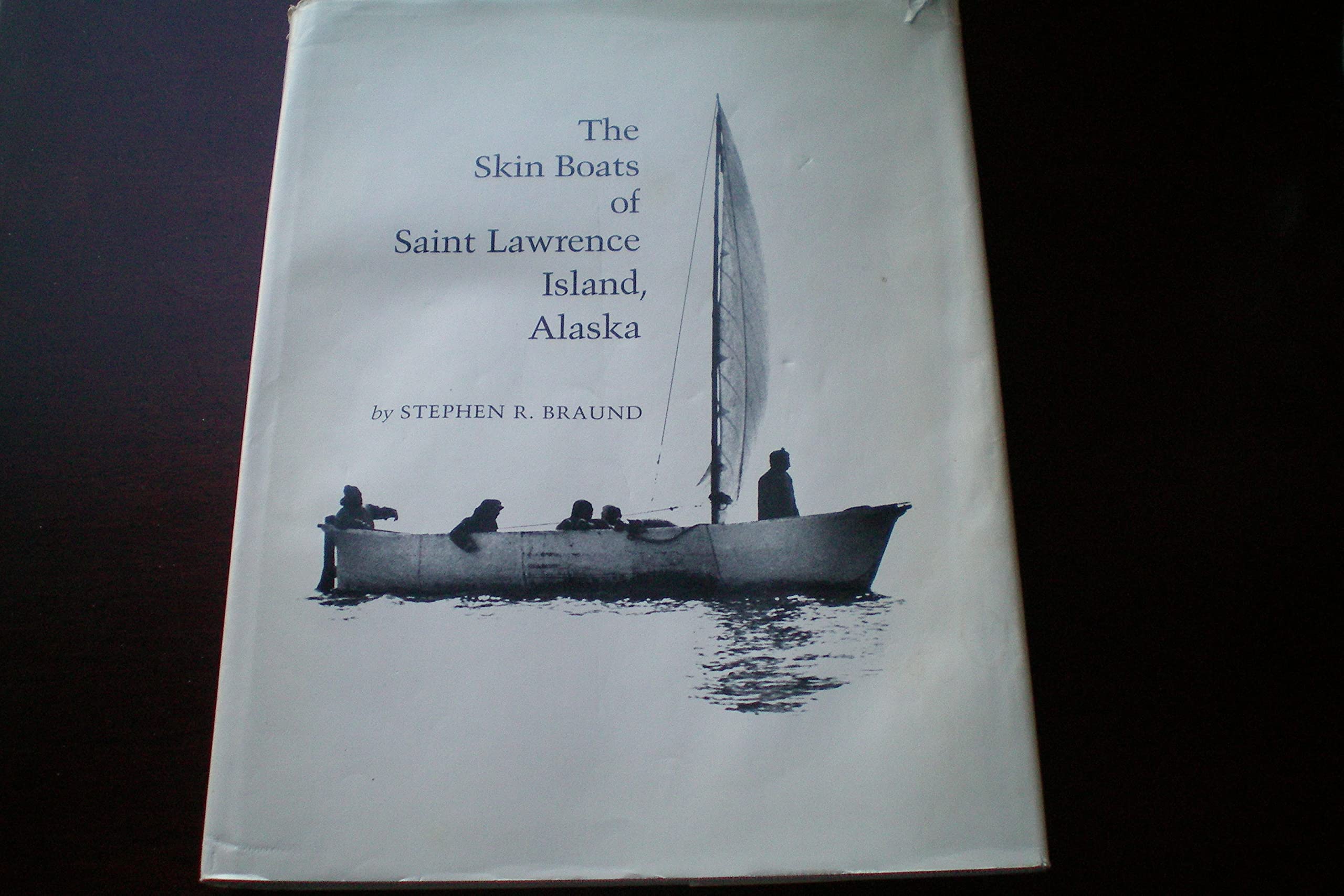
The Skin Boats Of Saint Lawrence Island, Alaska
Sold by Ergodebooks, an authorized reseller.
Returns accepted within 30 days | support@ergodebooks.com
Shipping Information
- Free Standard Shipping — United States only
- Processing Time: 3–5 business days
- Estimated Delivery: 6–10 business days after dispatch
- Double-boxed, fully insured & discreetly packaged
- Tracking number sent via email once dispatched
Returns & Refund
Returns accepted within 30 days of delivery.
Damaged or Defective Item
Free return shipping + replacement or full refund
Wrong Item Received
Free return shipping + replacement or full refund
Change of Mind
Return shipping at customer's expense · 25% restocking fee applies
Payment Option

The Open Skin Boat Or Angyapik (Umiak) Represents An Ingenious Adaptation Of Bering Strait Eskimos To Their Specific Environmental Conditions. This Volume Traces The Evolution Of Saint Lawrence Island Boat Use From A Precontact Skin Boat To The Wooden Yankee Whale Boat To The Contemporary Skin Boat Now Used. No Index. Annotation Copyright Book News, Inc. Portland, Or.
⚠️ WARNING (California Proposition 65):
This product may contain chemicals known to the State of California to cause cancer, birth defects, or other reproductive harm.
For more information, please visit www.P65Warnings.ca.gov.
- Q: How many pages does this book have? A: This book has one hundred forty-one pages. It provides an in-depth exploration of the skin boats used by the Bering Strait Eskimos.
- Q: What type of binding does this book have? A: This book has a hardcover binding. The durable cover enhances its longevity and makes it suitable for repeated use.
- Q: Who is the author of this book? A: The author is Stephen R. Braund. He provides valuable insights into the cultural significance of skin boats in Alaskan history.
- Q: What is the primary subject of this book? A: This book discusses the evolution of skin boats used by the Eskimos of Saint Lawrence Island, Alaska. It covers various boat types over time.
- Q: Is this book suitable for academic study? A: Yes, this book is suitable for academic study. It offers detailed historical accounts and cultural context, making it valuable for research.
- Q: What historical period does the book cover? A: The book traces the evolution from pre-contact skin boats to contemporary designs. It includes significant historical developments in boat usage.
- Q: How do I care for this hardcover book? A: To care for this hardcover book, keep it in a dry, cool place. Avoid exposure to direct sunlight to prevent fading and damage.
- Q: Can I store this book on a shelf? A: Yes, you can store this book on a shelf. Ensure it is upright to maintain its shape and protect the spine from damage.
- Q: Is this book safe for young readers? A: Yes, this book is safe for young readers. However, its content is more suited for older children and adults interested in history.
- Q: What kind of illustrations or images are in this book? A: This book does not include an index or illustrations. It primarily consists of text detailing the history of skin boats.
- Q: How does this book compare to other historical texts? A: This book offers a unique focus on the specific cultural aspects of Alaskan Eskimos. It stands out due to its specialized subject matter.
- Q: Can this book be used for a school project? A: Yes, this book can be used for a school project. Its detailed information on Alaskan culture and history makes it an excellent resource.
- Q: What is the publication date of this book? A: The publication date is not specified in the provided details. However, it is published by the University of Washington Press.
- Q: Is there a summary available for this book? A: Yes, the book summarizes the evolution of skin boats used by Eskimos in Alaska. It provides historical context and cultural significance.
- Q: What makes this book unique? A: This book is unique due to its focus on a specific cultural adaptation of the Bering Strait Eskimos. It details the evolution of boat usage.