
Title
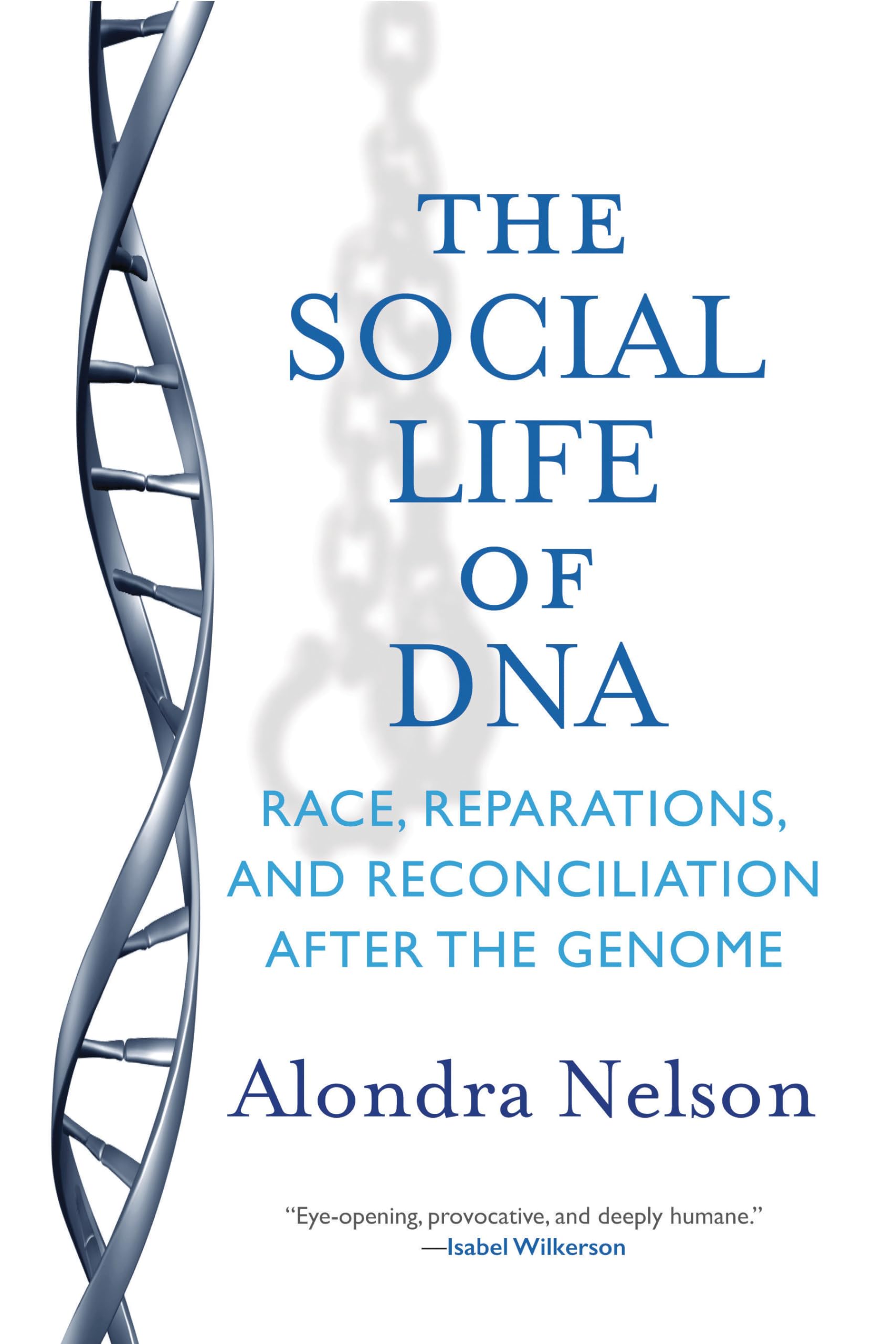
The Social Life Of Dna: Race, Reparations, And Reconciliation After The Genome,New
Sold by Ergodebooks, an authorized reseller.
Returns accepted within 30 days | support@ergodebooks.com
Shipping Information
- Free Standard Shipping — United States only
- Processing Time: 3–5 business days
- Estimated Delivery: 6–10 business days after dispatch
- Double-boxed, fully insured & discreetly packaged
- Tracking number sent via email once dispatched
Returns & Refund
Returns accepted within 30 days of delivery.
Damaged or Defective Item
Free return shipping + replacement or full refund
Wrong Item Received
Free return shipping + replacement or full refund
Change of Mind
Return shipping at customer's expense · 25% restocking fee applies
Payment Option

A Favorite Book Of 2016, Wall Street Journal2017 Hurston/Wright Legacy Award For Nonfiction (Finalist)2017 Day Of Common Learning Selection, Seattle Pacific University2020 Diana Forsythe Prize (Honorable Mention)2020 Best Books Of The Year, Writers' Trust Of Canadathe Unexpected Story Of How Genetic Testing Is Affecting Race In Americawe Know Dna Is A Master Key That Unlocks Medical And Forensic Secrets, But Its Genealogical Life Is Both Revelatory And Endlessly Fascinating. Tracing Genealogy Is Now The Secondmost Popular Hobby Amongst Americans, As Well As The Secondmost Visited Online Category. This Billiondollar Industry Has Spawned Popular Television Shows, Websites, And Internet Communities, And A Booming Heritage Tourism Circuit.The Tsunami Of Interest In Genetic Ancestry Tracing From The African American Community Has Been Especially Overwhelming. In The Social Life Of Dna, Alondra Nelson Takes Us On An Unprecedented Journey Into How The Double Helix Has Wound Its Way Into The Heart Of The Most Urgent Contemporary Social Issues Around Race.For Over A Decade, Nelson Has Deeply Studied This Phenomenon. Artfully Weaving Together Keenly Observed Interactions With Rootseekers Alongside Illuminating Historical Details And Revealing Personal Narrative, She Shows That Genetic Genealogy Is A New Tool For Addressing Old And Enduring Issues. In The Social Life Of Dna, She Explains How These Cuttingedge Dnabased Techniques Are Being Used In Myriad Ways, Including Grappling With The Unfinished Business Of Slavery: To Foster Reconciliation, To Establish Ties With African Ancestral Homelands, To Rethink And Sometimes Alter Citizenship, And To Make Legal Claims For Slavery Reparations Specifically Based On Ancestry.Nelson Incisively Shows That Dna Is A Portal To The Past That Yields Insight For The Present And Future, Shining A Light On Social Traumas And Historical Injustices That Still Resonate Today. Science Can Be A Crucial Ally To Activism To Spur Social Change And Transform Twentyfirstcentury Racial Politics. But Nelson Warns Her Readers To Be Discerning: For The Social Repair We Seek Can'T Be Found In Even The Most Sophisticated Science. Engrossing And Highly Original, The Social Life Of Dna Is A Mustread For Anyone Interested In Race, Science, History And How Our Reckoning With The Past May Help Us To Chart A More Just Course For Tomorrow.From The Hardcover Edition.
⚠️ WARNING (California Proposition 65):
This product may contain chemicals known to the State of California to cause cancer, birth defects, or other reproductive harm.
For more information, please visit www.P65Warnings.ca.gov.
- Q: How many pages does the book have? A: This book has two hundred sixteen pages. It is a paperback edition published by Beacon Press.
- Q: What are the dimensions of this book? A: The book measures six point zero three inches in length, zero point six inches in width, and eight point nine eight inches in height.
- Q: Who is the author of the book? A: The author is Alondra Nelson, who explores themes of race, genetics, and social justice.
- Q: What genre does this book belong to? A: This book falls under the Community and Culture genre, focusing on race and genetics.
- Q: Is this book suitable for young readers? A: The book is intended for adult readers and may contain complex themes around race and history.
- Q: What is the main theme of the book? A: The main theme revolves around how genetic testing impacts discussions of race and reparations in America.
- Q: How should I care for this paperback book? A: To keep the book in good condition, store it upright in a dry place and avoid direct sunlight.
- Q: Can I read this book in a group setting? A: Yes, this book is suitable for discussion groups, especially those focused on social justice and history.
- Q: Is there a warranty for this book? A: Books typically do not come with a warranty, but you can check the retailer's return policy.
- Q: What should I do if the book arrives damaged? A: If the book arrives damaged, contact the retailer for information on their return or exchange policy.
- Q: Are there any notable awards for this book? A: Yes, it was a finalist for the 2017 Hurston/Wright Legacy Award for Nonfiction and received several other honors.
- Q: Is this book a good choice for someone interested in genetics? A: Yes, the book provides insights into genetic testing's role in contemporary social issues, making it a valuable read.
- Q: Does the book discuss historical injustices? A: Yes, it examines historical injustices related to race and how genetic genealogy can address these issues.
- Q: What is the author's approach in this book? A: Alondra Nelson blends personal narratives with historical research to explore complex social issues around race and genetics.
- Q: Can this book help in understanding reparations? A: Yes, it discusses how genetic testing is used in legal claims for reparations based on ancestry.