
Title
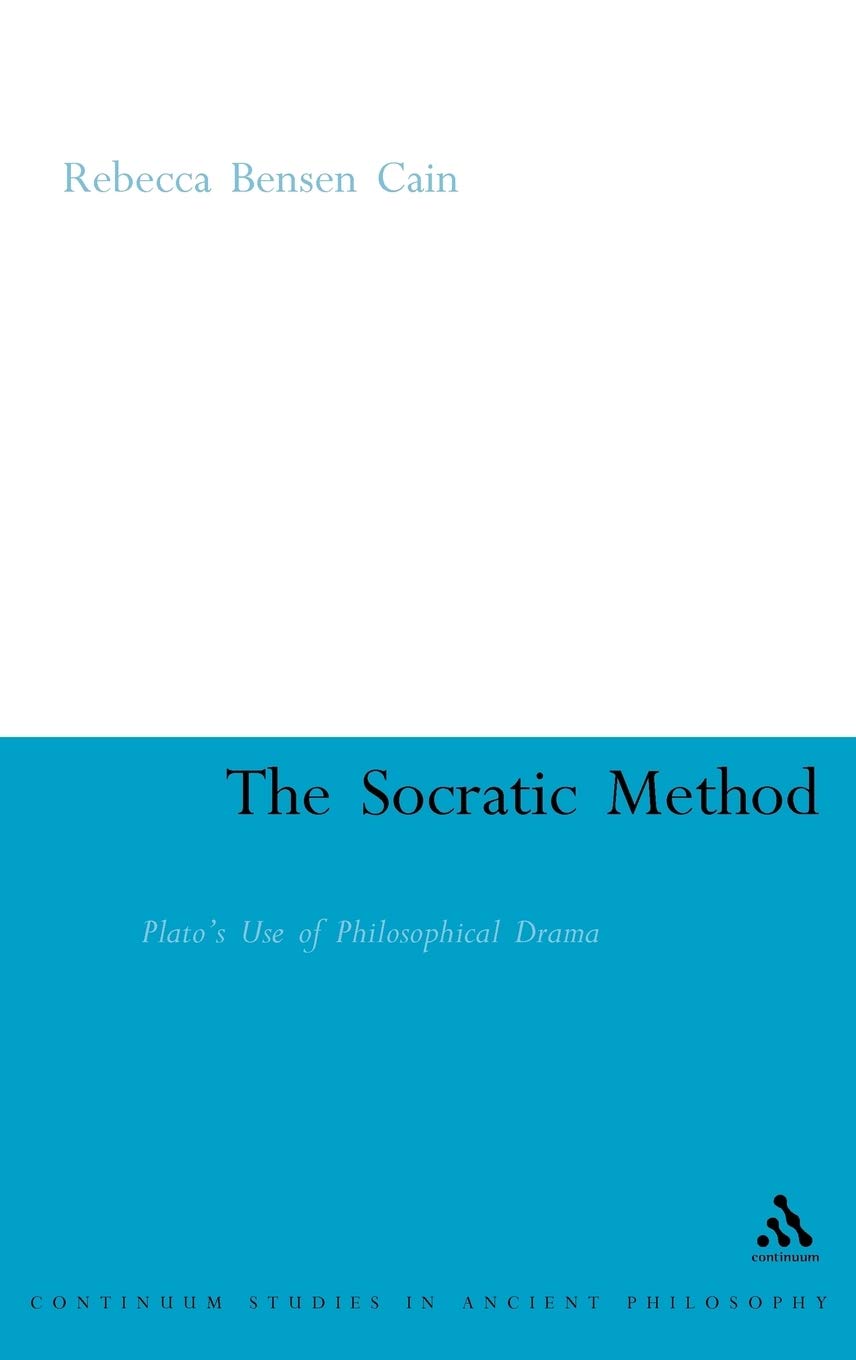
The Socratic Method: Plato'S Use Of Philosophical Drama (Continuum Studies In Ancient Philosophy, 8),Used
Sold by Ergodebooks, an authorized reseller.
Returns accepted within 30 days | support@ergodebooks.com
Shipping Information
- Free Standard Shipping — United States only
- Processing Time: 3–5 business days
- Estimated Delivery: 6–10 business days after dispatch
- Double-boxed, fully insured & discreetly packaged
- Tracking number sent via email once dispatched
Returns & Refund
Returns accepted within 30 days of delivery.
Damaged or Defective Item
Free return shipping + replacement or full refund
Wrong Item Received
Free return shipping + replacement or full refund
Change of Mind
Return shipping at customer's expense · 25% restocking fee applies
Payment Option

This book develops a new account of Socratic method, based on a psychological model of Plato's dramatic depiction of Socrates' character and conduct. Socratic method is seen as a blend of three types of philosophical discourse: refutation, truthseeking, and persuasion. Cain focuses on the persuasive features of the method since, in her view, it is this aspect of Socrates' method that best explains the content and the value of the dialectical arguments. Emphasizing the persuasive aspect of Socratic method helps us uncover the operative standards of dialectical argumentation in fifthcentury Athens. Cain considers both the sophistic style of rhetoric and contentious debate in Socrates' time, and Aristotle's perspective on the techniques of argument and their purposes. An informal, pragmatic analysis of argumentation appropriate to the dialectical context is developed. We see that Socrates uses ambiguity and other strategic fallacies with purposeful play, and for moral ends. Taking specific examples of refutations from Plato's dialogues, Cain links the interlocutors' characters and situations with the dialectical argument that Socrates constructs to refute them. The merit of this interpretation is that it gives broad range, depth, and balance to Socrates' argumentative style; it also maintains a keen sensitivity to the interlocutors' emotional reactions, moral values, and attitudes. The book concludes with a discussion of the overall value, purpose, and success of Socratic method, and draws upon a Platonic/Socratic conception of the soul and a dialectical type of selfknowledge.
⚠️ WARNING (California Proposition 65):
This product may contain chemicals known to the State of California to cause cancer, birth defects, or other reproductive harm.
For more information, please visit www.P65Warnings.ca.gov.