
Title
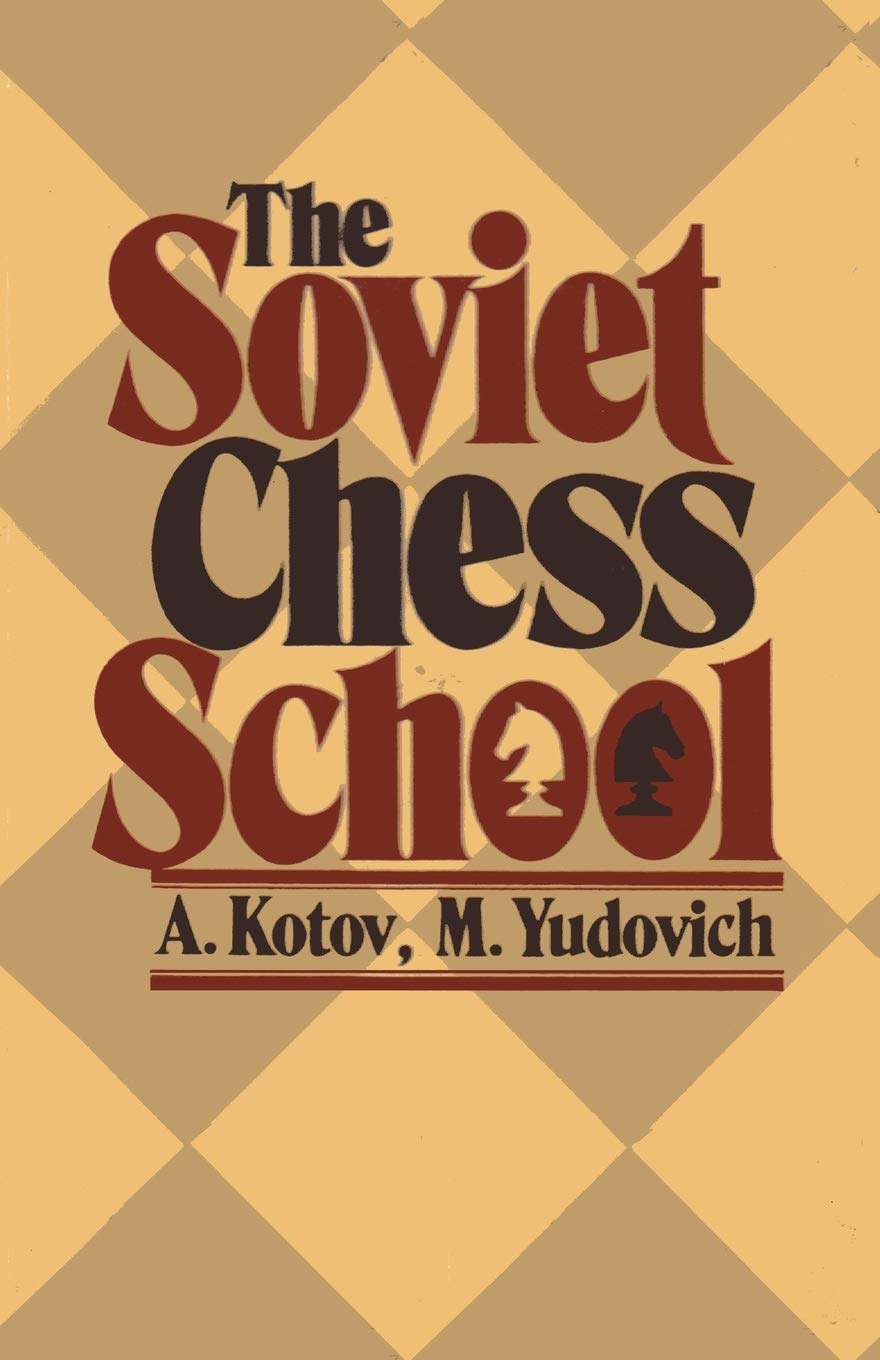
The Soviet Chess School,Used
Sold by Ergodebooks, an authorized reseller.
Returns accepted within 30 days | support@ergodebooks.com
Shipping Information
- Free Standard Shipping — United States only
- Processing Time: 3–5 business days
- Estimated Delivery: 6–10 business days after dispatch
- Double-boxed, fully insured & discreetly packaged
- Tracking number sent via email once dispatched
Returns & Refund
Returns accepted within 30 days of delivery.
Damaged or Defective Item
Free return shipping + replacement or full refund
Wrong Item Received
Free return shipping + replacement or full refund
Change of Mind
Return shipping at customer's expense · 25% restocking fee applies
Payment Option

The Soviet Chess School ISBN 4871874613 is a completely different book from The Soviet School of Chess ISBN 4871878198 . The Soviet Chess School is not an upgrade, revision or sequel to The Soviet School of Chess. It is an entirely different work, even though it is by the same two authors and the title is almost exactly the same. The Soviet Chess School has biographies and lots of games and pictures of players such as Kasparov, Karpov and Spassky whereas these players are not mentioned in the 32years earlier work The Soviet School of Chess. Comparing these books to each other is like comparing apples to oranges. They are completely different, so it cannot be said that one is better than the other. The Soviet School of Chess was first published in 1951 in Russian and then translated and published in English in 1958. The Soviet Chess School was first published in 1983 in Moscow USSR. It does not appear ever to have been published in Russian. The Soviet Chess School covers a broader time period, starting with the invention of chess, 1500 years ago. It states that chess came to Russia in the 11th or 12th centuries and not from Europe but directly from Persia or Arabia. This is demonstrated by the different names for the chess pieces, such as Ladia meaning boat in contrast to the European word rook for the same piece and Ferz or vizier for the piece that is called Queen in most European languages. The Soviet Chess School states that the Tzars of Russia, Ivan the Terrible (15301584), Peter the Great (16721725) and Paul I (17541801) were all chess players. It recounts incidents of them playing chess, including a visit in 1781 by Paul I to Paris where he visited a chess club.
⚠️ WARNING (California Proposition 65):
This product may contain chemicals known to the State of California to cause cancer, birth defects, or other reproductive harm.
For more information, please visit www.P65Warnings.ca.gov.