
Title
The Spatial, the Legal and the Pragmatics of WorldMaking,New
Sold by Ergodebooks, an authorized reseller.
Returns accepted within 30 days | support@ergodebooks.com
Shipping Information
- Free Standard Shipping — United States only
- Processing Time: 3–5 business days
- Estimated Delivery: 6–10 business days after dispatch
- Double-boxed, fully insured & discreetly packaged
- Tracking number sent via email once dispatched
Returns & Refund
Returns accepted within 30 days of delivery.
Damaged or Defective Item
Free return shipping + replacement or full refund
Wrong Item Received
Free return shipping + replacement or full refund
Change of Mind
Return shipping at customer's expense · 25% restocking fee applies
Payment Option

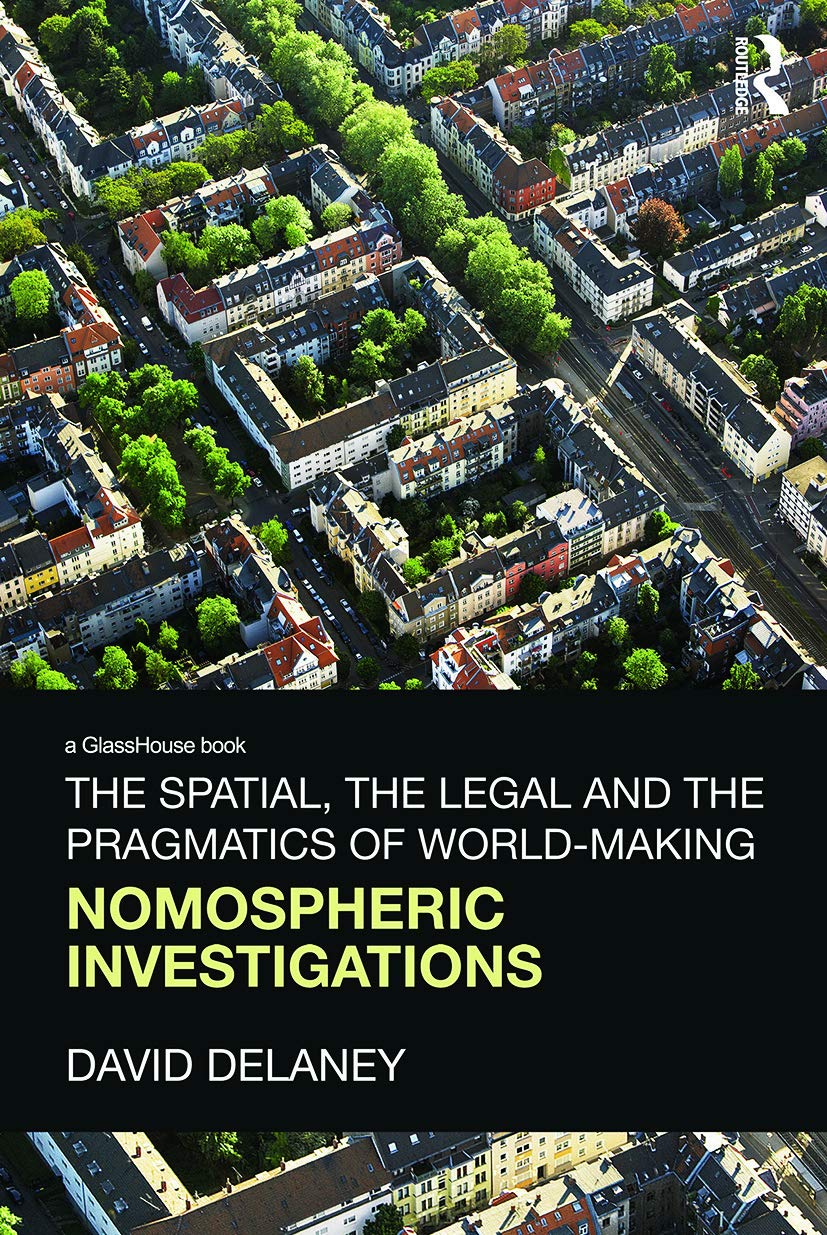
Critical legal geography is practised by an increasing number of scholars in various disciplines, but it has not had the benefit of an overarching theoretical framework that might overcome its currently rather ad hoc character. The Spatial, the Legal and the Pragmatics of WorldMaking remedies this situation. Presenting a balanced convergence of contemporary sociolegal and critical geographic scholarship, David Delaney offers a groundbreaking contribution to the fast growing field of legal geography. Drawing on strands of critical social studies that inform both of these areas, this book has three primary components. First, it introduces a framework of interpretation and analysis centred on the productive neologisms nomosphere and nomoscapes. Nomosphere refers to the culturalmaterial environs that are constituted by the reciprocal materialization of the legal and the legal signification of the sociospatial'. Nomoscapes are the spatiolegal expression and the sociomaterial realization of ideologies, values, pervasive power orders and social projects. They are extensive ensembles of legal spaces within and through which lives are lived and, here, these neologisms are related to the more familiar notions of governmentality and performativity. Second, these neologisms are explored and applied through a series of illustrations and extensive case studies. Demonstrating their utility for scholars and students in relevant disciplines, these empirical studies concern: the public and the private; property and land tenure; governance; the domestic and the international; and legalspatial confinements and containments. Third, these studies contribute to an ongoing theorization of the experiential, situated pragmatics of worldmaking'. The role of nomospheric projects and counterprojects, techniques and operations is therefore emphasized. Much of what is experientially significant about how the world is as it is and what its like to be in the world directly implicates the dynamic interplay of space, law, meaning and power. The Spatial, the Legal and the Pragmatics of WorldMaking provides the interpretive resources necessary for discerning and understanding the practices and projects involved in this interplay.
⚠️ WARNING (California Proposition 65):
This product may contain chemicals known to the State of California to cause cancer, birth defects, or other reproductive harm.
For more information, please visit www.P65Warnings.ca.gov.