
Title
The Spectacular State: Culture And National Identity In Uzbekistan (Politics, History, And Culture),New
Sold by Ergodebooks, an authorized reseller.
Returns accepted within 30 days | support@ergodebooks.com
Shipping Information
- Free Standard Shipping — United States only
- Processing Time: 3–5 business days
- Estimated Delivery: 6–10 business days after dispatch
- Double-boxed, fully insured & discreetly packaged
- Tracking number sent via email once dispatched
Returns & Refund
Returns accepted within 30 days of delivery.
Damaged or Defective Item
Free return shipping + replacement or full refund
Wrong Item Received
Free return shipping + replacement or full refund
Change of Mind
Return shipping at customer's expense · 25% restocking fee applies
Payment Option

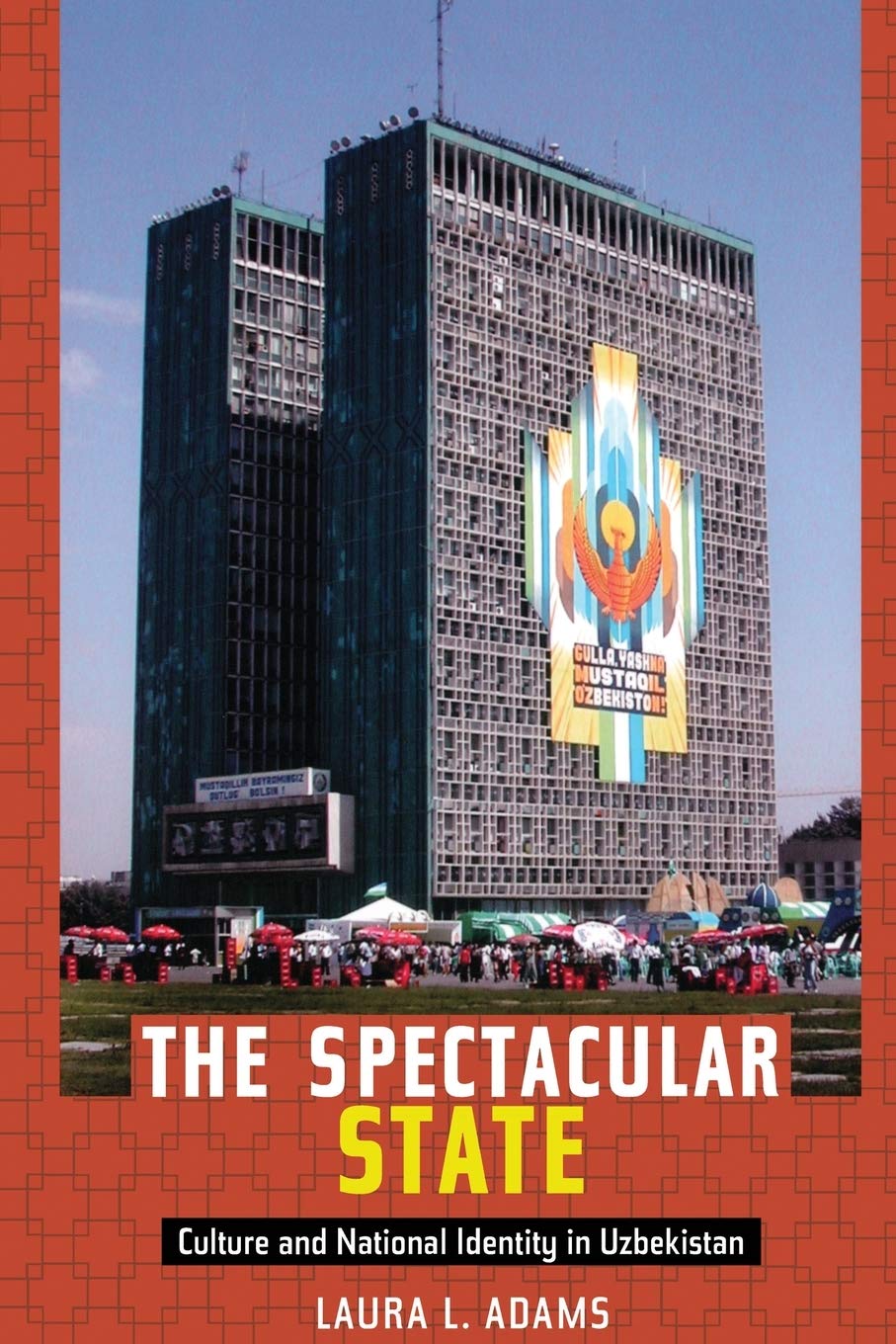
Laura L. Adams Offers Unique Insight Into Nation Building In Central Asia During The Postsoviet Era Through An Exploration Of Uzbekistans Production Of National Culture In The 1990S. As She Explains, After Independence The Uzbek Government Maintained A Monopoly Over Ideology, Exploiting The Remaining Soviet Institutional And Cultural Legacies. The State Expressed National Identity Through Tightly Controlled Mass Spectacles, Including Theatrical And Musical Performances. Adams Focuses On These Events, Particularly The Massive Outdoor Concerts The Government Staged On The Two Biggest National Holidays, Navroz, The Spring Equinox Celebration, And Independence Day. Her Analysis Of The Content, Form, And Production Of These Ceremonies Shows How Uzbekistans Cultural And Political Elites Engaged In A Highly Directed, Largely Successful Program Of Nation Building Through Culture.Adams Draws On Her Observations And Interviews Conducted With Artists, Intellectuals, And Bureaucrats Involved In The Production Of Uzbekistans National Culture. These Elites Used Globalized Cultural Forms Such As Olympicsstyle Spectacle To Showcase Local, National, And International Aspects Of Official Culture. While These Statesponsored Extravaganzas Were Intended To Be Displays Of Uzbekistans Ethnic And Civic National Identity, Adams Found That Cultural Renewal In The Decade After Uzbekistans Independence Was Not So Much A Rejection Of Soviet Power As It Was A Reappropriation Of Soviet Methods Of Control And Ideas About Culture. The Public Sphere Became More Restricted Than It Had Been In Soviet Times, Even As Sovietera Ideas About Ethnic And National Identity Paved The Way For Uzbekistan To Join A More Open Global Community.
⚠️ WARNING (California Proposition 65):
This product may contain chemicals known to the State of California to cause cancer, birth defects, or other reproductive harm.
For more information, please visit www.P65Warnings.ca.gov.