
Title
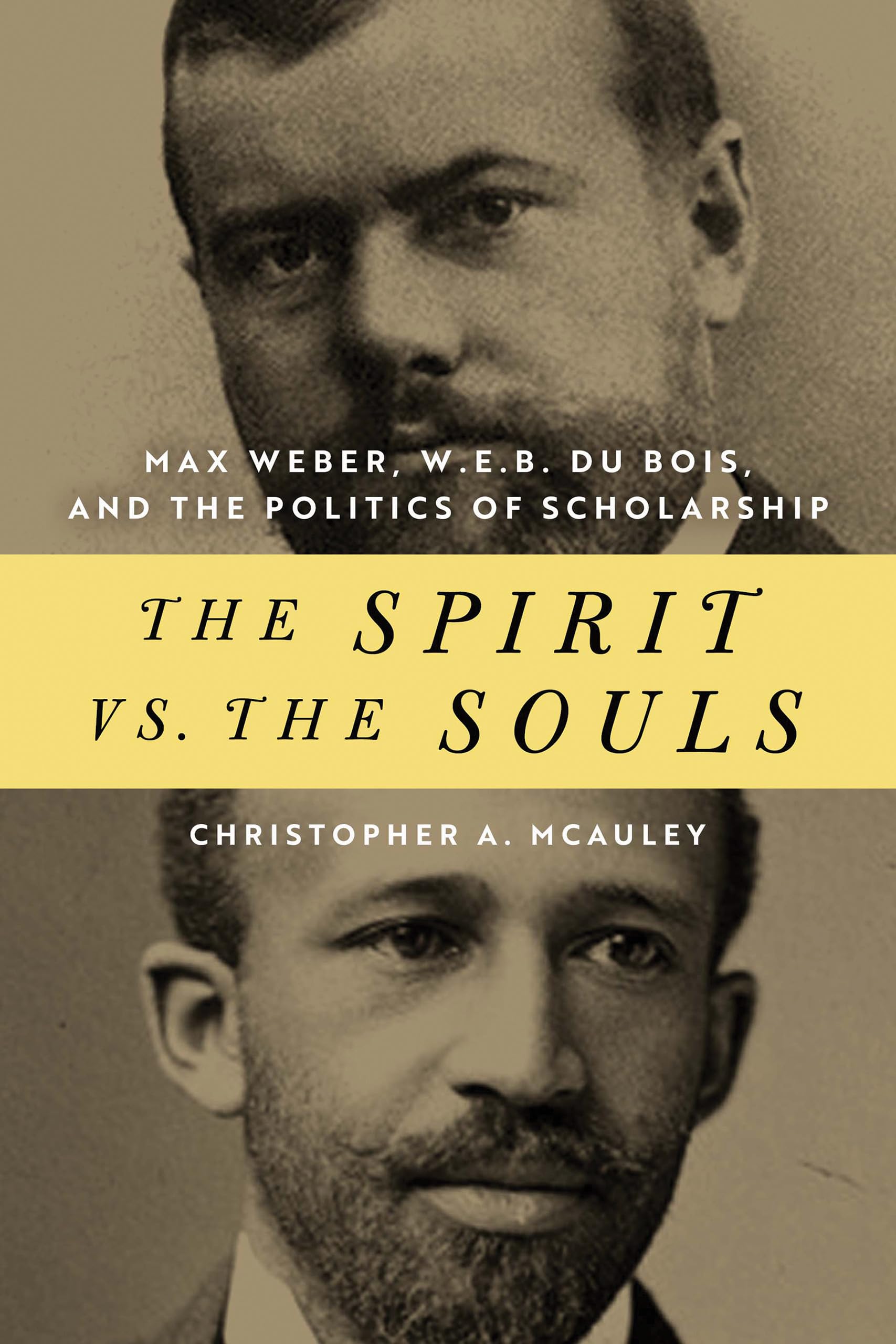
The Spirit vs. the Souls: Max Weber, W. E. B. Du Bois, and the Politics of Scholarship (African American Intellectual Heritage),Used
Sold by Ergodebooks, an authorized reseller.
Returns accepted within 30 days | support@ergodebooks.com
Shipping Information
- Free Standard Shipping — United States only
- Processing Time: 3–5 business days
- Estimated Delivery: 6–10 business days after dispatch
- Double-boxed, fully insured & discreetly packaged
- Tracking number sent via email once dispatched
Returns & Refund
Returns accepted within 30 days of delivery.
Damaged or Defective Item
Free return shipping + replacement or full refund
Wrong Item Received
Free return shipping + replacement or full refund
Change of Mind
Return shipping at customer's expense · 25% restocking fee applies
Payment Option

Despite the extensive scholarship on Max Weber (18641920) and W. E. B. Du Bois (18681963), very little of it examines the contact between the two founding figures of Western sociology. Drawing on their correspondence from 1904 to 1906, and comparing the sociological work that they produced during this period and afterward, The Spirit vs. the Souls: Max Weber, W. E. B. Du Bois, and the Politics of Scholarship examines for the first time the ideas that Weber and Du Bois shared on topics such as sociological investigation, race, empire, unfree labor, capitalism, and socialism. What emerges from this examination is that their ideas on these matters clashed far more than they converged, contrary to the tone of their letters and to the interpretations of the few scholars who have commented on the correspondence between Weber and Du Bois.Christopher McAuley provides close readings of key texts by the two scholars, including Weber's The Protestant Ethic and the Spirit of Capitalism and Du Bois's The Souls of Black Folk, to demonstrate their different views on a number of issues, including the economic benefits of unfree labor in capitalism. The book addresses the distinctly different treatment of the two figures's political sympathies in past scholarship, especially that which discredits some of Du Bois's openly antiracist academic work while failing to consider the markedly imperialistserving content of some of Weber's. McAuley argues for the acknowledgment and demarginalization of Du Bois's contributions to the scholarly world that academics have generally accorded to Weber. This book will interest students and scholars of black studies, history, and sociology for whom Du Bois and Weber are central figures.
⚠️ WARNING (California Proposition 65):
This product may contain chemicals known to the State of California to cause cancer, birth defects, or other reproductive harm.
For more information, please visit www.P65Warnings.ca.gov.