
Title
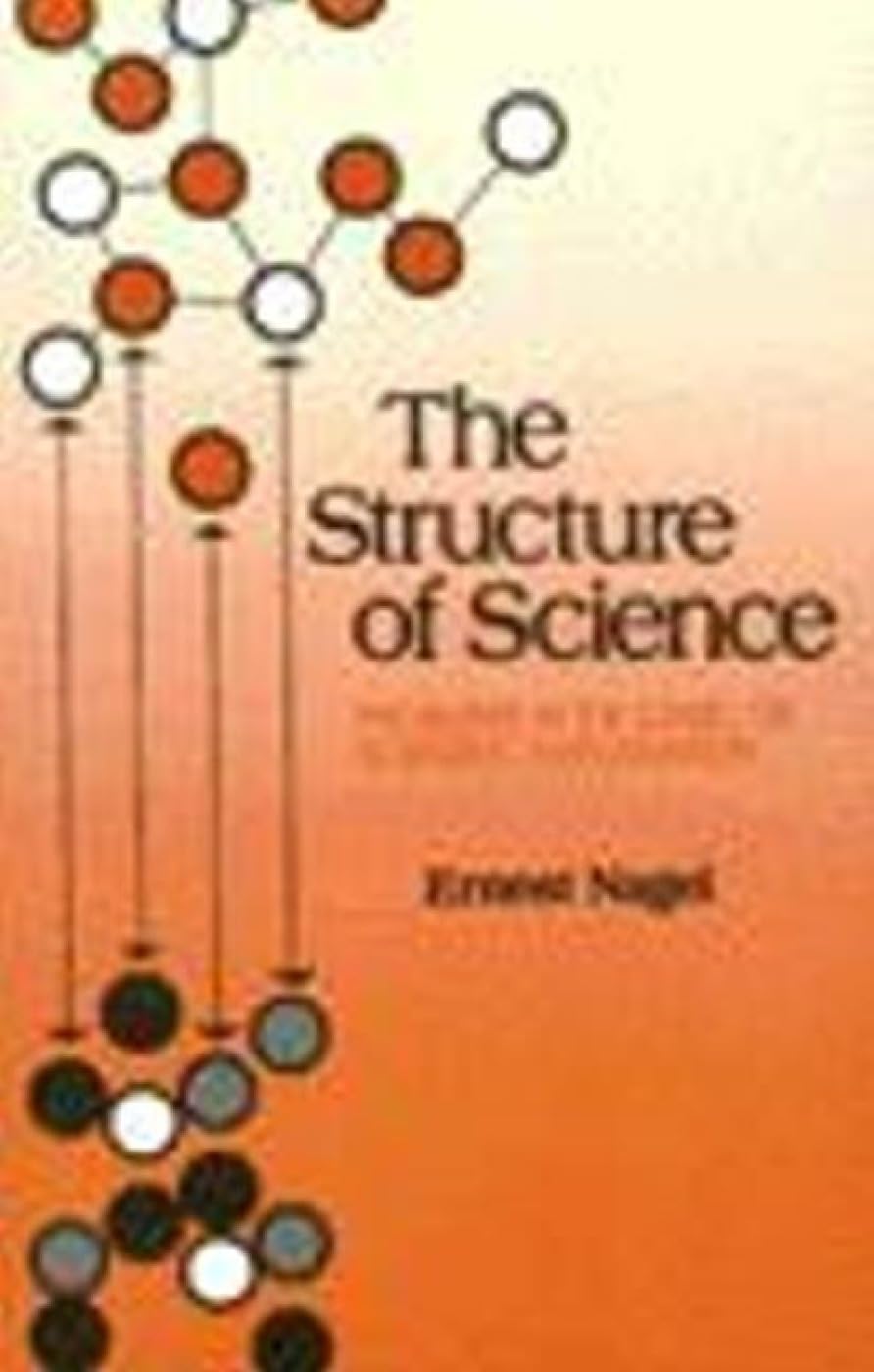
The Structure of Science: Problems in the Logic of Scientific Explanation (2nd edition),New
Sold by Ergodebooks, an authorized reseller.
Returns accepted within 30 days | support@ergodebooks.com
Shipping Information
- Free Standard Shipping — United States only
- Processing Time: 3–5 business days
- Estimated Delivery: 6–10 business days after dispatch
- Double-boxed, fully insured & discreetly packaged
- Tracking number sent via email once dispatched
Returns & Refund
Returns accepted within 30 days of delivery.
Damaged or Defective Item
Free return shipping + replacement or full refund
Wrong Item Received
Free return shipping + replacement or full refund
Change of Mind
Return shipping at customer's expense · 25% restocking fee applies
Payment Option

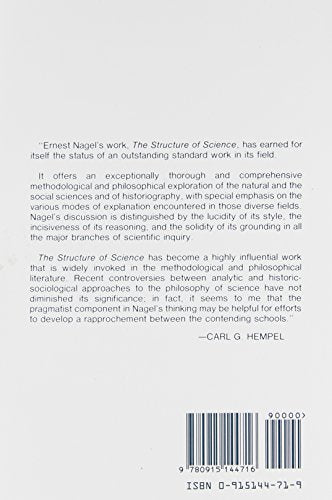
Ernest Nagel's work, The Structure of Science, has earned for itself the status of an outstanding standard work in its field. It offers an exceptionally thorough and comprehensive methodological and philosophical exploration encountered in those diverse fields. Nagel's discussion is distinguished by the lucidity of its style, the incisiveness of its reasoning, and the solidity of its grounding in all the major branches of scientific inquiry. The Structure of Science has become a highly influential work that is widely invoked in the methodological and philosophical literature. Recent controversies between analytics and historicsociological approaches to the philosophy of science have not diminished its significance; in fact, it seems to me that the pragmatist component in Nagel's thinking may be helpful for efforts to develop a rapprochement between the contending schools.' Carl G. Hempel
⚠️ WARNING (California Proposition 65):
This product may contain chemicals known to the State of California to cause cancer, birth defects, or other reproductive harm.
For more information, please visit www.P65Warnings.ca.gov.
- Q: How many pages does this book have? A: This book has six hundred eighteen pages. It provides a comprehensive exploration of scientific explanation and methodology.
- Q: What is the binding type of this book? A: This book is a paperback edition. Paperback bindings are flexible and lightweight, making it easy to carry.
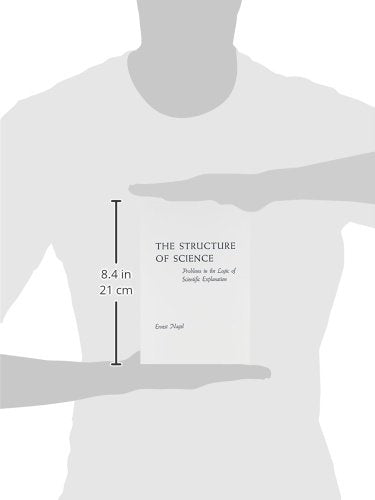
- Q: What are the dimensions of this book? A: The book measures five point five one inches in length, one point five inches in width, and eight point five inches in height. These dimensions make it a manageable size for reading.
- Q: What is the recommended reading level for this book? A: This book is suitable for advanced readers and scholars. It delves into complex philosophical discussions relevant to the philosophy of science.
- Q: Is this book suitable for beginners in philosophy? A: No, this book is not ideal for beginners. It explores intricate philosophical concepts and requires prior knowledge of the subject.
- Q: How can I best use this book for study? A: You can use this book as a reference for understanding scientific methodology. It’s best suited for in-depth study and critical analysis.
- Q: How should I store this book to keep it in good condition? A: Store this book upright on a shelf to prevent bending or damage. Keep it in a cool, dry place away from direct sunlight.
- Q: What is the safety of the materials used in this book? A: The book is printed on standard paper, which is safe for general use. There are no hazardous materials involved in its production.
- Q: Does this book require any special care? A: No special care is required for this book. Just handle it gently and avoid exposure to moisture.
- Q: What if my book arrives damaged? A: If your book arrives damaged, you can contact the seller for a return or exchange. Most sellers have policies in place for such situations.
- Q: Is there a warranty for this book? A: No, books typically do not come with a warranty. However, return policies may vary by seller.
- Q: Can I return this book if I change my mind? A: Yes, you can generally return this book if you change your mind, subject to the seller's return policy. Always check the specific terms before purchasing.
- Q: Are there any common issues I might encounter with this book? A: Common issues include receiving a damaged copy or misprints. If you encounter these problems, contact customer service for assistance.
- Q: How does this book compare to others in its genre? A: This book is considered a standard work in the philosophy of science, often referenced alongside other significant texts. Its depth and clarity set it apart.
- Q: Is this book a good choice for academic research? A: Yes, this book is an excellent choice for academic research. It provides valuable insights into scientific explanation and methodology.