
Title
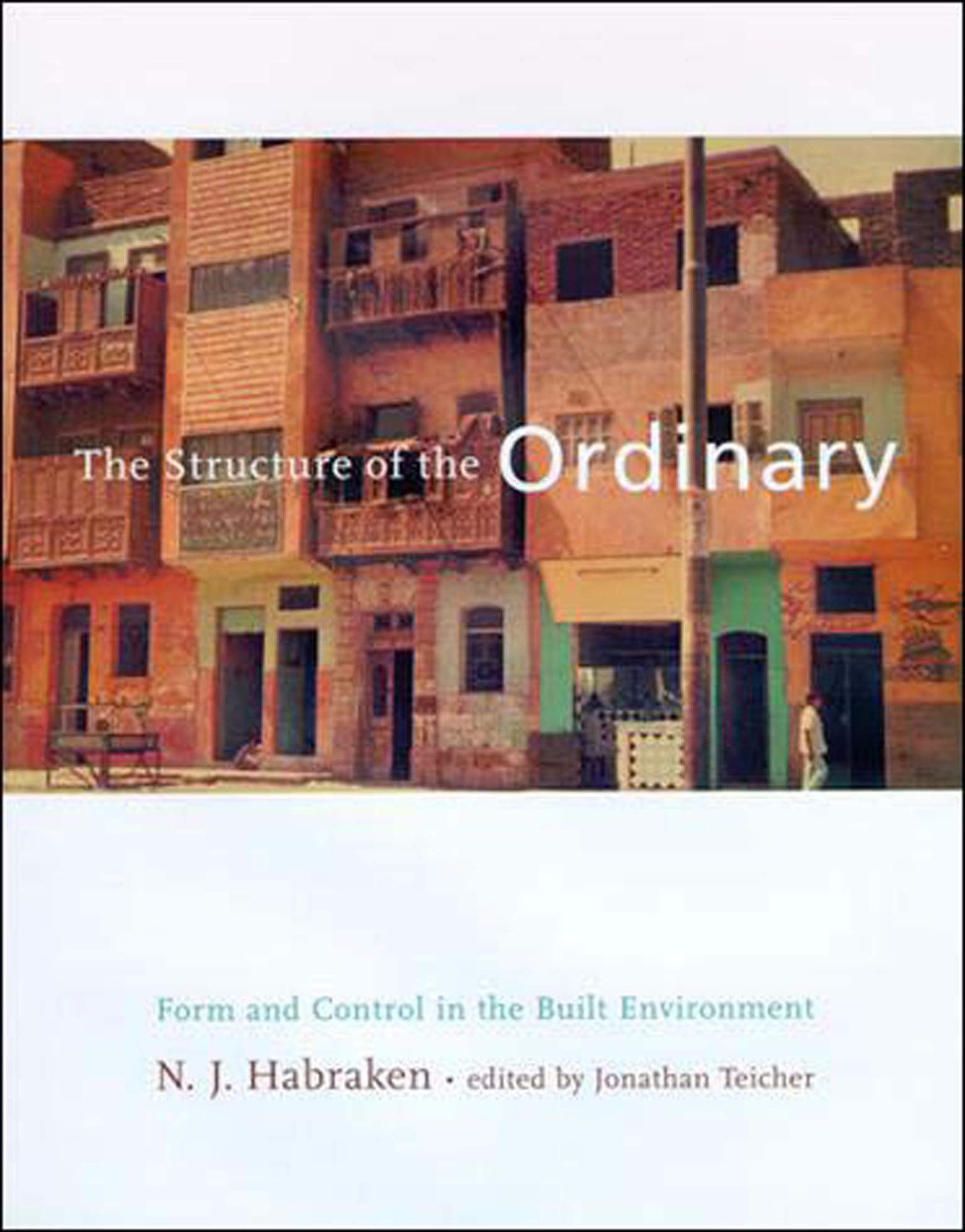
The Structure of the Ordinary: Form and Control in the Built Environment,Used
Sold by Ergodebooks, an authorized reseller.
Returns accepted within 30 days | support@ergodebooks.com
Shipping Information
- Free Standard Shipping — United States only
- Processing Time: 3–5 business days
- Estimated Delivery: 6–10 business days after dispatch
- Double-boxed, fully insured & discreetly packaged
- Tracking number sent via email once dispatched
Returns & Refund
Returns accepted within 30 days of delivery.
Damaged or Defective Item
Free return shipping + replacement or full refund
Wrong Item Received
Free return shipping + replacement or full refund
Change of Mind
Return shipping at customer's expense · 25% restocking fee applies
Payment Option

The influential Dutch architect's longawaited manifesto on the everyday environment as the first and best ground for establishing the significance and coherence of architecture.According to N. J. Habraken, intimate and unceasing interaction between people and the forms they inhabit uniquely defines built environment. The Structure of the Ordinary, the culmination of decades of environmental observation and design research, is a recognition and analysis of everyday environment as the wellspring of urban design and formal architecture. The author's central argument is that built environment is universally organized by the Orders of Form, Place, and Understanding. These three fundamental, interwoven principles correspond roughly to physical, biological, and social domains.Historically, 'ordinary' environment was the background against which architects built the 'extraordinary.' Drawing upon extensive examples from archaeological and contemporary sites worldwide, the author illustrates profound recent shifts in the structure of everyday environment. One effect of these transformations, Habraken argues, has been the loss of implicit common understanding that previously enabled architects to formally enhance and innovate while still maintaining environmental coherence. Consequently, architects must now undertake a study of the ordinary as the fertile common ground in which form and placemaking are rooted. In focusing on built environment as an autonomous entity distinct from the societies and natural environments that jointly create it, this book lays the foundation for a new dialogue on methodology and pedagogy, in support of a more informed approach to professional intervention.
⚠️ WARNING (California Proposition 65):
This product may contain chemicals known to the State of California to cause cancer, birth defects, or other reproductive harm.
For more information, please visit www.P65Warnings.ca.gov.