
Title
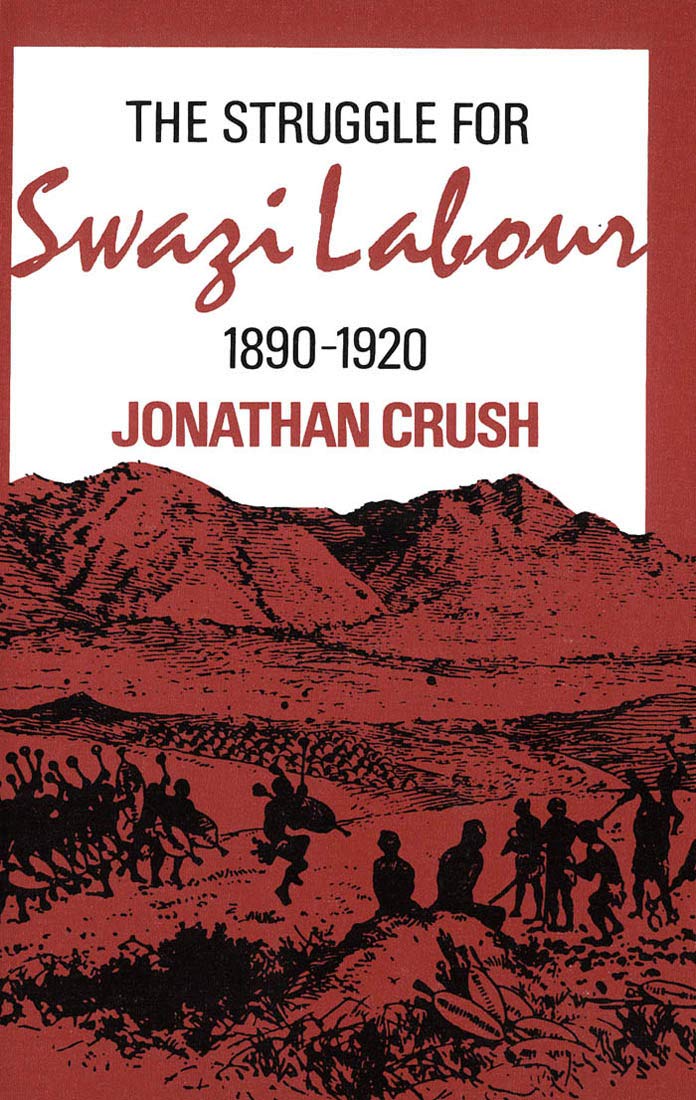
The Struggle for Swazi Labour, 18901920,Used
Sold by Ergodebooks, an authorized reseller.
Returns accepted within 30 days | support@ergodebooks.com
Shipping Information
- Free Standard Shipping — United States only
- Processing Time: 3–5 business days
- Estimated Delivery: 6–10 business days after dispatch
- Double-boxed, fully insured & discreetly packaged
- Tracking number sent via email once dispatched
Returns & Refund
Returns accepted within 30 days of delivery.
Damaged or Defective Item
Free return shipping + replacement or full refund
Wrong Item Received
Free return shipping + replacement or full refund
Change of Mind
Return shipping at customer's expense · 25% restocking fee applies
Payment Option

Although the results of colonial expansion have been described in other general studies of the region, this is the first book to take a close look at the case of the Swazi in Swaziland. Jonathan Crush shows that while the Swazi experienced many of the classic problems of underdevelopment, there were also a number of significant differences. For example, traditional relationships between chiefs and commoners showed much greater resilience than elsewhere. This considerably affected the pace and nature of Swaziland's incorporation into South Africa's notorious migrant labour system. As well, because of the country's proximity to a number of alternative labour markets, the Swazi had a greater choice of employment than did many other groups in the region. Crush shows how the Swazi were able to use the system to their own advantage and how this helped shape the patterns of early Swazi migrancy. The Struggle for Swazi Labour examines the changing nature of the Swazi migrant labour force, the spatial patterns and temporal rhythms of migration, and the emergence of the Witwatersrand as the dominant, though by no means exclusive, employer of Swazi labour. It also shows how the local history of white settlement and land alienation influenced the manner in which the Swazi were subordinated to foreign economic and political control. The book fills an important gap in the history of Swaziland and in the economic history of the south African region as a whole. It will be helpful to anyone wishing to understand the preeminence of traditional personalities and institutions in contemporary Swaziland, and to those seeking an explanation for South African economic domination of the surrounding countries. Its comparative perspective makes it valuable to a wide range of scholars with interests in the social and economic development of southern Africa, as well as to labour and social historians, rural economists, and economic geographers.
⚠️ WARNING (California Proposition 65):
This product may contain chemicals known to the State of California to cause cancer, birth defects, or other reproductive harm.
For more information, please visit www.P65Warnings.ca.gov.