
Title
The Studio Recordings of the Miles Davis Quintet, 196568 (Oxford Studies in Recorded Jazz),New
Sold by Ergodebooks, an authorized reseller.
Returns accepted within 30 days | support@ergodebooks.com
Shipping Information
- Free Standard Shipping — United States only
- Processing Time: 3–5 business days
- Estimated Delivery: 6–10 business days after dispatch
- Double-boxed, fully insured & discreetly packaged
- Tracking number sent via email once dispatched
Returns & Refund
Returns accepted within 30 days of delivery.
Damaged or Defective Item
Free return shipping + replacement or full refund
Wrong Item Received
Free return shipping + replacement or full refund
Change of Mind
Return shipping at customer's expense · 25% restocking fee applies
Payment Option

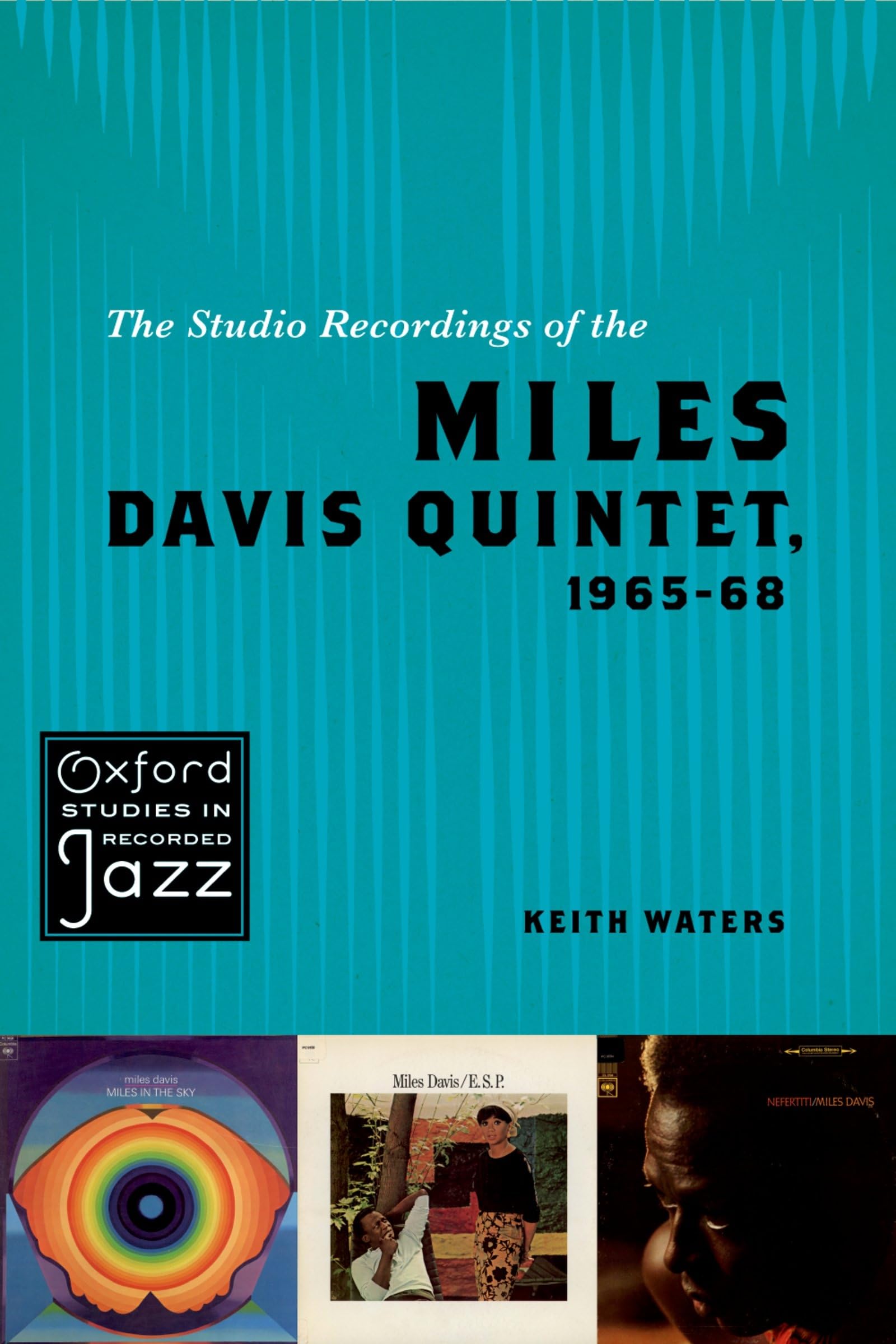
The 'Second Quintet' the Miles Davis Quintet of the mid1960s was one of the most innovative and influential groups in the history of the genre. Each of the musicians who performed with Davissaxophonist Wayne Shorter, pianist Herbie Hancock, bassist Ron Carter, and drummer Tony Williamswent on to a successful career as a top player. The studio recordings released by this group made profound contributions to improvisational strategies, jazz composition, and mediation between mainstream and avantgarde jazz, yet most critical attention has focused instead on live performances or the sociocultural context of the work. Keith Waters' The Studio Recordings of the Miles Davis Quintet, 196568 concentrates instead on the music itself, as written, performed, and recorded.Treating six different studio recordings in depthESP, Miles Smiles, Sorcerer, Nefertiti, Miles in the Sky, and Filles de KilimanjaroWaters has tracked down a host of references to and explications of Davis' work. His analysis takes into account contemporary reviews of the recordings, interviews with the five musicians, and relevant largerscale cultural studies of the era, as well as two previously unexplored sources: the studio outtakes and Wayne Shorter's Library of Congress composition deposits. Only recently made available, the outtakes throw the master takes into relief, revealing how the musicians and producer organized and edited the material to craft a unified artistic statement for each of these albums. The author's research into the Shorter archives proves to be of even broader significance and interest, as Waters is able now to demonstrate the composer's original conception of a given piece. Waters also points out errors in the notated versions of the canonical songs as they often appear in the main sources available to musicians and scholars. An indispensible resource, The Miles Davis Quintet Studio Recordings: 19651968 is suited for the jazz scholar as well as for jazz musicians and aficionados of all levels.
⚠️ WARNING (California Proposition 65):
This product may contain chemicals known to the State of California to cause cancer, birth defects, or other reproductive harm.
For more information, please visit www.P65Warnings.ca.gov.