
Title
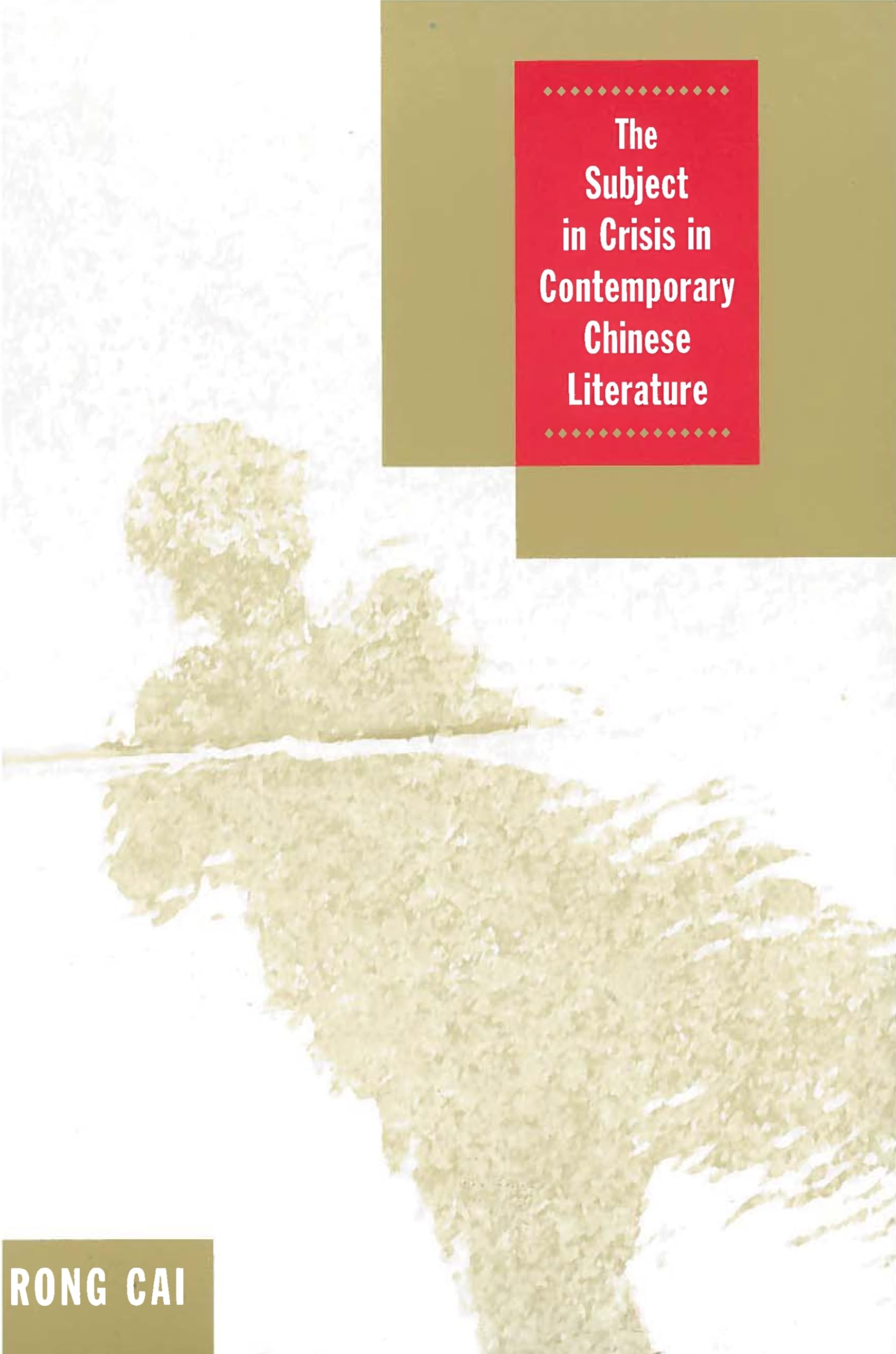
The Subject in Crisis in Contemporary Chinese Literature,Used
Sold by Ergodebooks, an authorized reseller.
Returns accepted within 30 days | support@ergodebooks.com
Shipping Information
- Free Standard Shipping — United States only
- Processing Time: 3–5 business days
- Estimated Delivery: 6–10 business days after dispatch
- Double-boxed, fully insured & discreetly packaged
- Tracking number sent via email once dispatched
Returns & Refund
Returns accepted within 30 days of delivery.
Damaged or Defective Item
Free return shipping + replacement or full refund
Wrong Item Received
Free return shipping + replacement or full refund
Change of Mind
Return shipping at customer's expense · 25% restocking fee applies
Payment Option

PostMao China produced two parallel discourses on the human subject in the New Era (19761989). One was an autonomous, Enlightenment humanist self aimed at replacing the revolutionary paragon that had dominated under Mao. The other was a more problematic subject suffering from either a symbolic physical deformity or some kind of spiritual paralysis that undermines its apparent normalcy. How do we explain the stubborn presence, in the literature of the 1980s and 1990s, of this crippled agent who fails to realize the humanist autonomy envisioned by postMao theorists? What are the anxieties and tensions embedded in this incongruity and what do they reveal?This illuminating and original critical study of the crippled subject in postMao literature offers a detailed textual analysis of the work of five wellknown contemporary writers: Han Shaogong, Can Xue, Yu Hua, Mo Yan, and Jia Pingwa. The author investigates not only the literary characters within the texts, but also their creatorsreal subjects in history, Chinese writers whose own agency was being tested and established in the search for a new subjectivity. She argues that, reenacting the Maoist legacy, the literary search failed to provide a viable model for a postrevolutionary China. In addition, the deficiency and inadequacy of the subject cannot always be contained in the Communist pasta history to be transcended in the design of modernity after Mao. The representation of the problematic subject thus punctured postMao optimism and foreshadowed the eventual abandonment of the move to rethink subjectivity in the 1990s.By diving beneath the euphoria of the 1980s and the confusion and frustration of the 1990s, these critical readings offer a unique perspective with which to gauge the complexity of Chinas quest for modernity and a fuller understanding of the selfs multifaceted experience in the postMao era.
⚠️ WARNING (California Proposition 65):
This product may contain chemicals known to the State of California to cause cancer, birth defects, or other reproductive harm.
For more information, please visit www.P65Warnings.ca.gov.