
Title
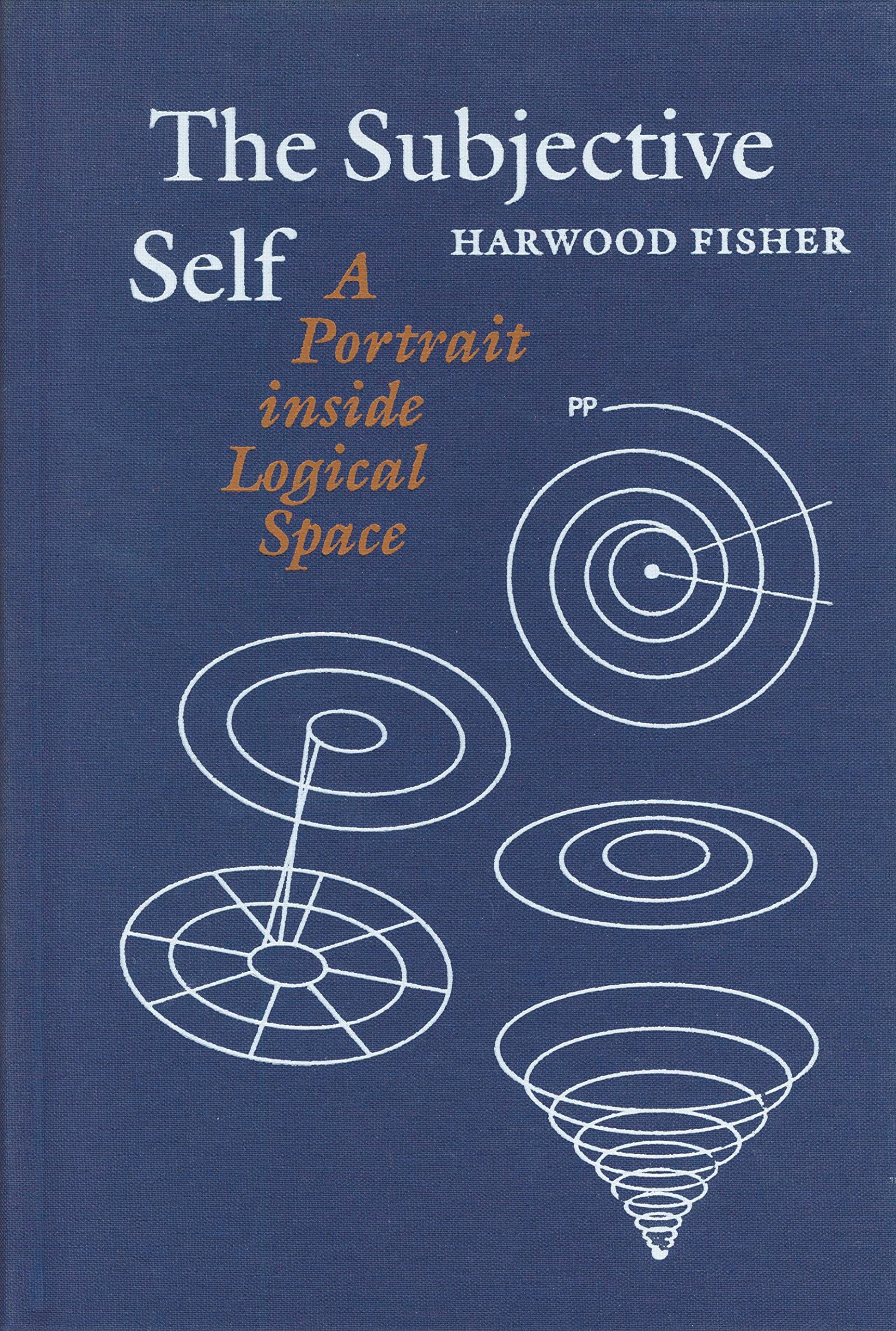
The Subjective Self: A Portrait inside Logical Space,Used
Sold by Ergodebooks, an authorized reseller.
Returns accepted within 30 days | support@ergodebooks.com
Shipping Information
- Free Standard Shipping — United States only
- Processing Time: 3–5 business days
- Estimated Delivery: 6–10 business days after dispatch
- Double-boxed, fully insured & discreetly packaged
- Tracking number sent via email once dispatched
Returns & Refund
Returns accepted within 30 days of delivery.
Damaged or Defective Item
Free return shipping + replacement or full refund
Wrong Item Received
Free return shipping + replacement or full refund
Change of Mind
Return shipping at customer's expense · 25% restocking fee applies
Payment Option

For all their strides in understanding how we create and think about cultures, psychologists, linguists, and logicians have had difficulty explaining how we conceive our selveshow the self can, in fact, be both the object and the subjective originator of its surroundings. Harwood Fisher's purpose in this farreaching, interdisciplinary book is to depict the subjective self in its true complex duality.In The Subjective Self, Fisher argues that the key to depicting both aspects of the self simultaneously and thus modeling it more holistically than before is to visualize the self in a logical space. From an origin point inside this space, the self tries out metaphors and launches categories to logically order what it wants, sees, and encounters. This is a creative cognitive process, "metaphoric framing," by which the self invents new forms and depicts new organizations of its experiences, impressions, and information. It is also a generative linguistic process, "bracketing," by which the self can step outside its own expressed thoughts, gain new levels of awareness, reposition itself as an agent responsible for its ideas and statements, and, in short, empower its own identity. The framing sets in motion versatile mental categoriesforms that are projected into mental space, where they become objectified. The bracketing sets in motion the logical bounds of the "I," stabilizing the individual's identity and giving thrust to the subjective self's dynamic causal role. In elaborating this theory, Fisher extends the ideas of Kurt Lewin, Jean Piaget, and C. S. Peirce, among others. By drawing on each of these thinkers, he is able to bring their common themes of perspective and construction together in his portrait of the self as a creative iconic space.
⚠️ WARNING (California Proposition 65):
This product may contain chemicals known to the State of California to cause cancer, birth defects, or other reproductive harm.
For more information, please visit www.P65Warnings.ca.gov.