
Title
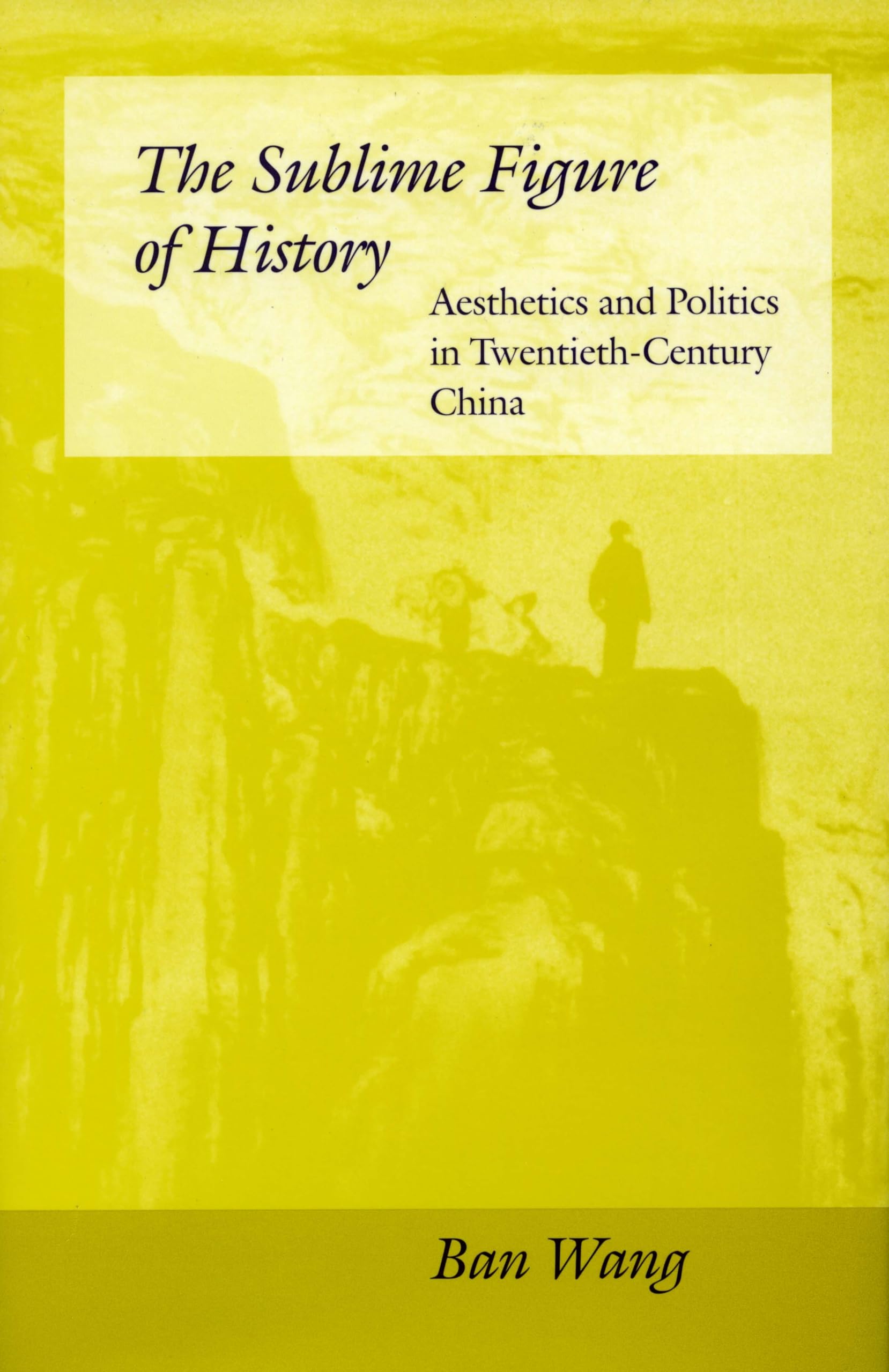
The Sublime Figure Of History: Aesthetics And Politics In Twentiethcentury China,Used
Sold by Ergodebooks, an authorized reseller.
Returns accepted within 30 days | support@ergodebooks.com
Shipping Information
- Free Standard Shipping — United States only
- Processing Time: 3–5 business days
- Estimated Delivery: 6–10 business days after dispatch
- Double-boxed, fully insured & discreetly packaged
- Tracking number sent via email once dispatched
Returns & Refund
Returns accepted within 30 days of delivery.
Damaged or Defective Item
Free return shipping + replacement or full refund
Wrong Item Received
Free return shipping + replacement or full refund
Change of Mind
Return shipping at customer's expense · 25% restocking fee applies
Payment Option

Through a comparative analysis of diverse texts and contexts, this book offers a cultural history of the interplay between the aesthetic and the political in the formation of personal and collective identity that crystallizes into the Chinese aesthetic of the sublime.It describes how various kinds of politics are aestheticized and how aesthetic manifestations are bound up with prevalent ideologies and politics. In this book, politics refers to various projects for fashioning a viable self, a workable personal and collective identity in the crisisridden history of modern China. These projects include imagining a political subject adapted to the modern nationstate, mobilizing revolutionary masses as subjects of the Communist state, sustaining a unified self despite the challenges to traditional culture, erecting the sublime figure of the revolutionary hero, and, finally, debunking the grand images of the hero and history in postMao culture. Throughout, the author seeks to delineate the ways the political masquerades as aesthetic discourse and aesthetic experience.Covering a wide range of material from fiction, poetry, aesthetics, and political discourse to memoirs, film, and historical documents, the book reconsiders a number of prominent cultural figures, including Wang Guowei, Cai Yuanpei, Lu Xun, Eileen Chang, Mao Zedong, Zhu Guangqian, and Li Zehou. It also analyzes such important cultural features and events as Western influences on the formation of modern Chinese aesthetic discourse, modernist writings, Revolutionary Cinema, the Cultural Revolution, and New Wave Fiction.An EastWest comparative approach informs the analysis, which engages in dialogue with Kant, Hegel, Freud, Marx, and Walter Benjamin, as well as Terry Eagleton and other contemporary critics. The author's interdisciplinary method, which emphasizes the interaction among text, context, and the psyche, both presents new materials and illuminates familiar texts and phenomena from the perspective of the politicalaesthetic nexus.
⚠️ WARNING (California Proposition 65):
This product may contain chemicals known to the State of California to cause cancer, birth defects, or other reproductive harm.
For more information, please visit www.P65Warnings.ca.gov.