
Title
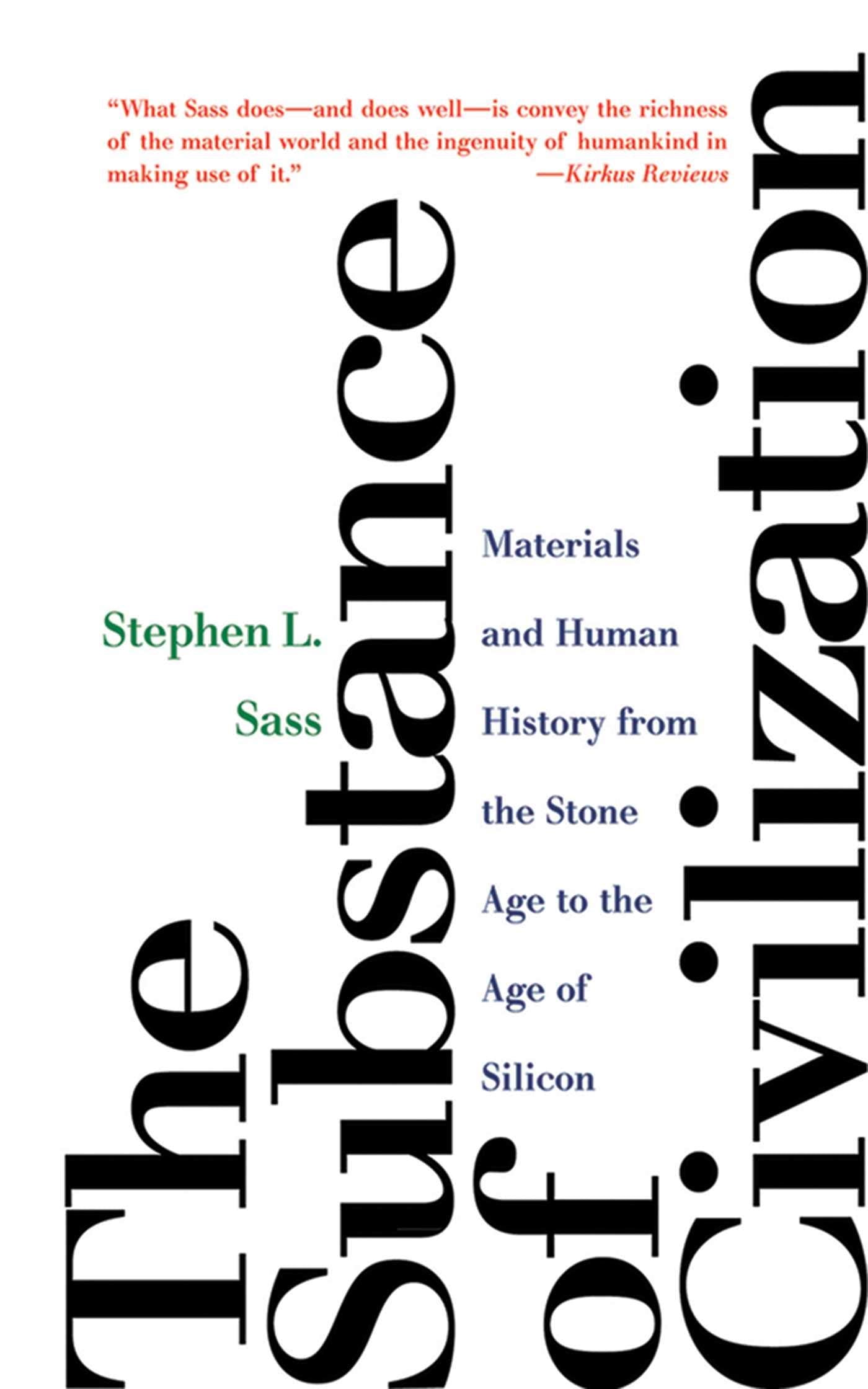
The Substance Of Civilization Materials And Human History From The Stone Age To The Age Of Silicon
Sold by Ergodebooks, an authorized reseller.
Returns accepted within 30 days | support@ergodebooks.com
Shipping Information
- Free Standard Shipping — United States only
- Processing Time: 3–5 business days
- Estimated Delivery: 6–10 business days after dispatch
- Double-boxed, fully insured & discreetly packaged
- Tracking number sent via email once dispatched
Returns & Refund
Returns accepted within 30 days of delivery.
Damaged or Defective Item
Free return shipping + replacement or full refund
Wrong Item Received
Free return shipping + replacement or full refund
Change of Mind
Return shipping at customer's expense · 25% restocking fee applies
Payment Option

The Story Of Human Civilization Can Be Read Most Deeply In The Materials We Have Found Or Created, Used Or Abused. They Have Dictated How We Build, Eat, Communicate, Wage War, Create Art, Travel, And Worship. Some, Such As Stone, Iron, And Bronze, Lend Their Names To The Ages. Others, Such As Gold, Silver, And Diamond, Contributed To The Rise And Fall Of Great Empires. How Would History Have Unfolded Without Glass, Paper, Steel, Cement, Or Gunpowder?The Impulse To Master The Properties Of Our Material World And To Invent New Substances Has Remained Unchanged From The Dawn Of Time; It Has Guided And Shaped The Course Of History. Sass Shows Us How Substances And Civilizations Have Evolved Together. In Antiquity, Iron Was Considered More Precious Than Gold. The Celluloid Used In Movie Film Had Its Origins In The Search For A Substitute For Ivory Billiard Balls. The Same Clay Used In The Pottery Of Antiquity Has Its Uses In Todays Computer Chips.Moving From The Stone Age To The Age Of Silicon, From The Days Of Prehistoric Survival To The Cutting Edge Of Nanotechnology, This Fascinating And Accessible Book Connects The Worlds Of Minerals And Molecules To The Sweep Of Human History, And Shows What Materials Will Dominate The Century Ahead.
⚠️ WARNING (California Proposition 65):
This product may contain chemicals known to the State of California to cause cancer, birth defects, or other reproductive harm.
For more information, please visit www.P65Warnings.ca.gov.
- Q: How many pages does the book have? A: This book has three hundred twenty-eight pages. It offers an in-depth exploration of materials and their impact on human history.
- Q: What are the dimensions of the book? A: The book measures five point five one inches in length, one inch in width, and eight point two seven inches in height. These dimensions make it a manageable size for reading.
- Q: What type of binding does the book have? A: The book features a paperback binding. This makes it lightweight and easy to handle for extended reading sessions.
- Q: Who is the author of the book? A: The author of the book is Stephen L. Sass. He is known for his insightful exploration of materials and their historical significance.
- Q: What category does this book fall under? A: This book is categorized as Historical Study and Educational Resources. It's ideal for readers interested in the intersection of materials and history.
- Q: What age group is this book suitable for? A: The book is suitable for teens and adults. It presents complex ideas in an accessible manner, making it engaging for a broad audience.
- Q: Is this book good for educational purposes? A: Yes, this book is excellent for educational purposes. It provides valuable insights into how materials have shaped human civilization throughout history.
- Q: How can I best read this book? A: You can read this book at your own pace. It's designed to be engaging, making it suitable for both casual reading and academic study.
- Q: Does this book contain illustrations or images? A: No, this book does not specifically mention illustrations or images. Its focus is on the narrative and analysis of materials throughout history.
- Q: How should I store this book? A: Store the book in a cool, dry place away from direct sunlight. This will help preserve the quality of the pages and the binding.
- Q: Is there a specific way to care for this paperback book? A: Yes, handle the book carefully to avoid creases and tears. Keep it on a shelf upright or lay it flat to prevent warping.
- Q: What if the book arrives damaged? A: If the book arrives damaged, contact the seller for a replacement. Most sellers offer return policies for damaged items.
- Q: Can I return this book if I don't like it? A: Yes, you can typically return the book if you don't like it, depending on the seller's return policy. Be sure to check the return window.
- Q: Is this book suitable for beginners in historical studies? A: Yes, this book is suitable for beginners. It presents historical concepts in an understandable way, making it accessible for those new to the subject.
- Q: How does this book compare to other historical texts? A: This book uniquely focuses on the relationship between materials and civilization, setting it apart from general historical texts that may not delve into this aspect.
- Q: What themes are explored in this book? A: The book explores themes of material culture, technological evolution, and their impact on human history. It connects the past with contemporary issues.