
Title
The Sumac Reader,Used
Sold by Ergodebooks, an authorized reseller.
Returns accepted within 30 days | support@ergodebooks.com
Shipping Information
- Free Standard Shipping — United States only
- Processing Time: 3–5 business days
- Estimated Delivery: 6–10 business days after dispatch
- Double-boxed, fully insured & discreetly packaged
- Tracking number sent via email once dispatched
Returns & Refund
Returns accepted within 30 days of delivery.
Damaged or Defective Item
Free return shipping + replacement or full refund
Wrong Item Received
Free return shipping + replacement or full refund
Change of Mind
Return shipping at customer's expense · 25% restocking fee applies
Payment Option

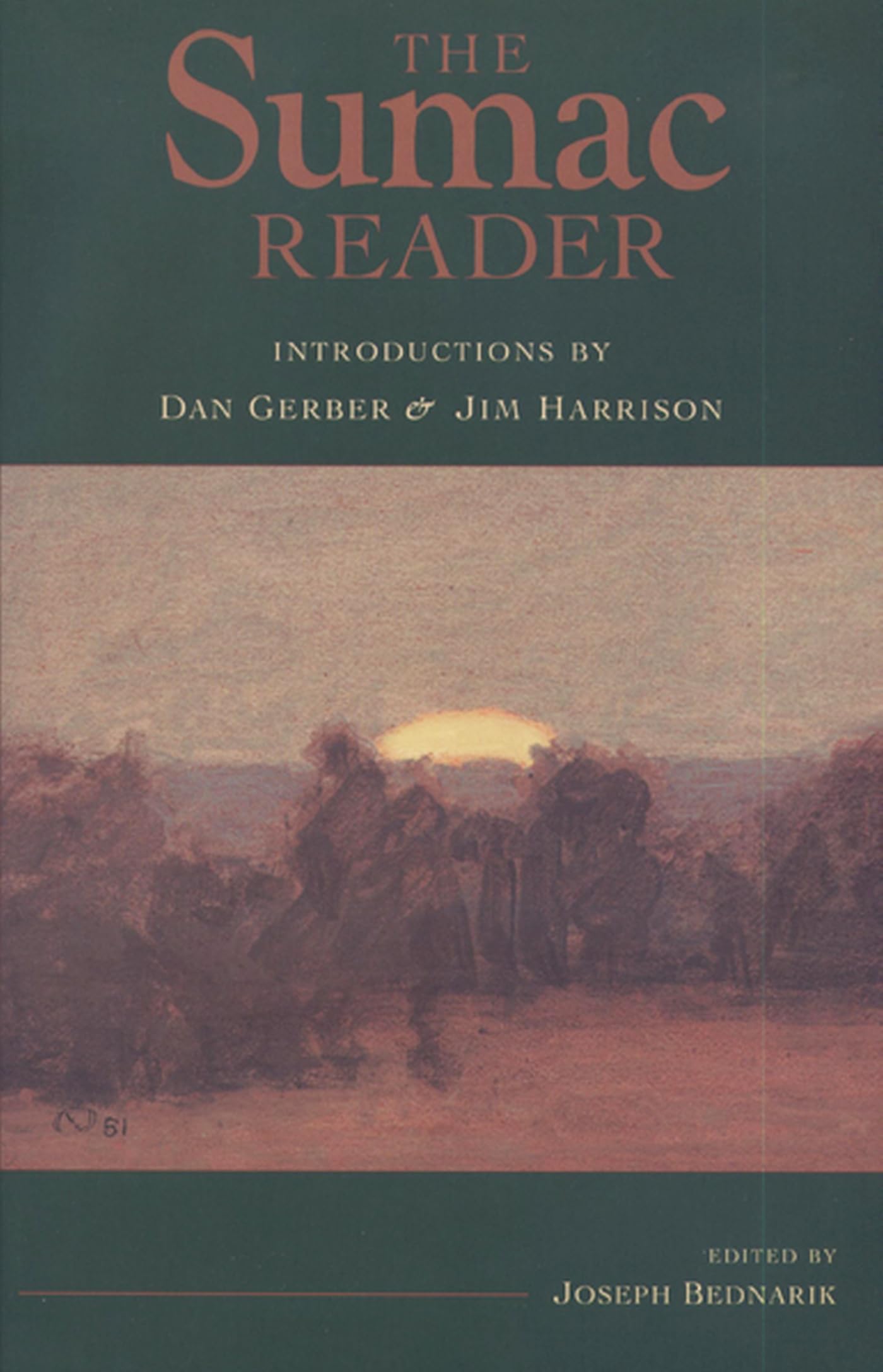
Sumac was a Michiganbased literary journal founded in 1968 by poets Dan Gerber and Jim Harrison; novelist Thomas McGuane joined the editorial staff in 1969 as the fiction editor. When the inaugural issue appeared, more than 250 American literary magazines were listed in The Directory of Magazines and Small Presses; within three years, Sumac rose to the first tier of these publications and was nationally recognized for its eclecticism and editorial quality. The Library Journal called it 'one of the best little magazines now being published.'Remaining true to Sumac's energetic catholicity, The Sumac Reader is an anthology that contains poetry, experimental fiction, and works in translation that originally appeared in the magazine. Contributors include four Pulitzer Prizewinning poetsGalway Kinnell, Charles Simic, Louis Simpson, and Gary Snyderalong with Paul Blackburn, Hayden Carruth, Richard Hugo, Denise Levertov, Ezra Pound, Adrienne Rich, and Diane Wakoski. There are early poems by Charles Simic, James Tate, and Michael Waters, as well as a complete section from Galaway Kinnell's classic, The Book of Nightmares. Fiction is represented in Sumac by a firstpublished Jim Heynen story 'Coyote' and early prose by William Kittredge. Translations from Chinese, French, Spanish, and Russian bring to American readers the work of masters such as Tu Fu, Lorca, and Li Po. A variety of poetic forms are represented, including ghazals, narratives, suites, found poems, and the freest of free verse.
⚠️ WARNING (California Proposition 65):
This product may contain chemicals known to the State of California to cause cancer, birth defects, or other reproductive harm.
For more information, please visit www.P65Warnings.ca.gov.