If you have any questions, you are always welcome to contact us. We'll get back to you as soon as possible, withing 24 hours on weekdays.
Customer service
All questions about your order, return and delivery must be sent to our customer service team by e-mail at yourstore@yourdomain.com
Sale & Press
If you are interested in selling our products, need more information about our brand or wish to make a collaboration, please contact us at press@yourdomain.com
Help
If you have any questions, you are always welcome to contact us. We'll get back to you as soon as possible, withing 24 hours on weekdays.
Customer service
All questions about your order, return and delivery must be sent to our customer service team by e-mail at yourstore@yourdomain.com
Sale & Press
If you are interested in selling our products, need more information about our brand or wish to make a collaboration, please contact us at press@yourdomain.com
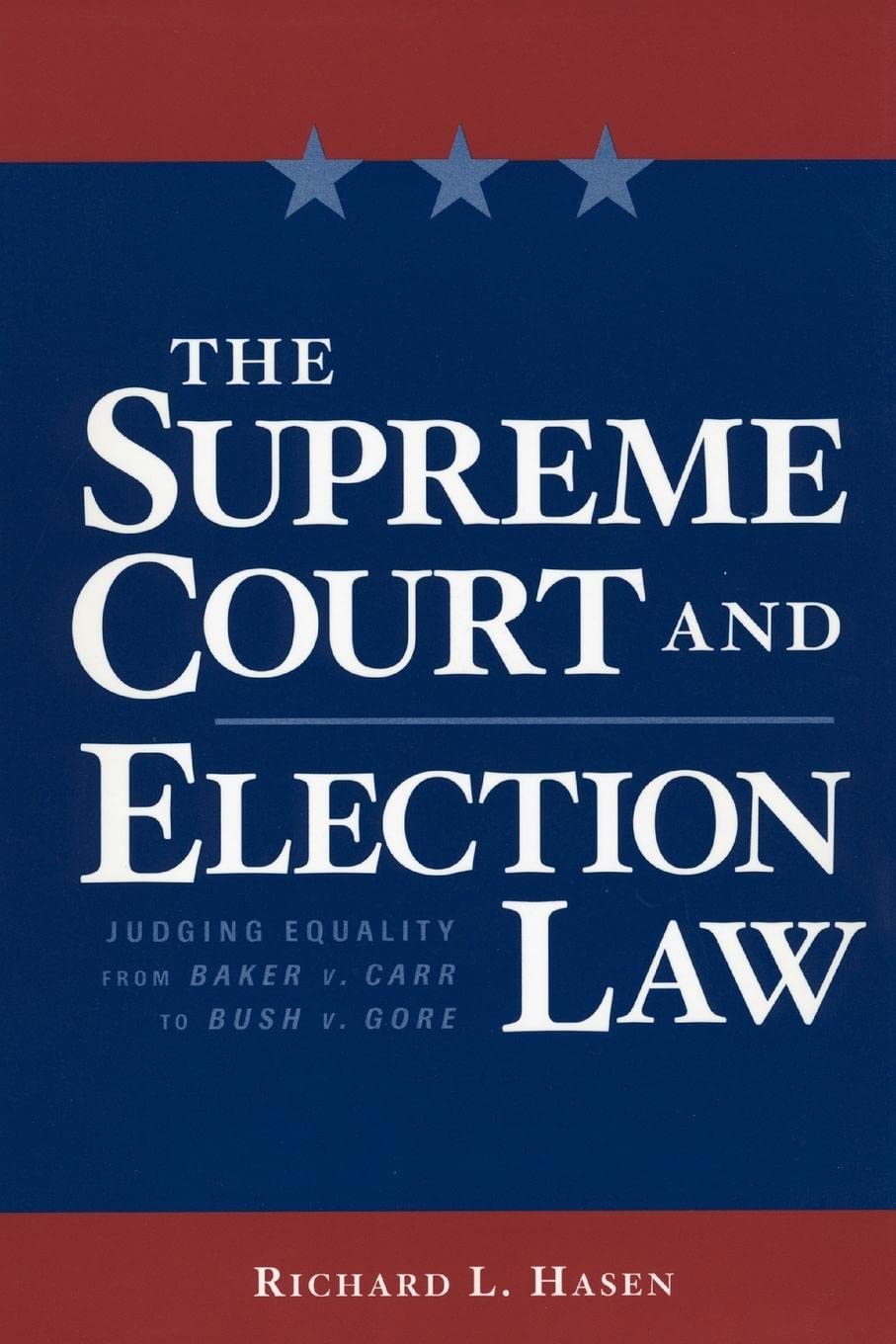
In The First Comprehensive Study Of Election Law Since The Supreme Court Decided Bush V. Gore, Richard L. Hasen Rethinks The Courts Role In Regulating Elections. Drawing On The Case Files Of The Warren, Burger, And Rehnquist Courts, Hasen Roots The Courts Intervention In Political Process Cases To The Landmark 1962 Case, Baker V. Carr. The Case Opened The Courts To A Variety Of Election Law Disputes, To The Point That The Courts Now Control And Direct Major Aspects Of The American Electoral Process.The Supreme Court Does Have A Crucial Role To Play In Protecting A Socially Constructed Core Of Political Equality Principles, Contends Hasen, But It Should Leave Contested Questions Of Political Equality To The Political Process Itself. Under This Standard, Many Of The Courts Most Important Election Law Cases From Baker To Bush Have Been Wrongly Decided.
⚠️ WARNING (California Proposition 65):
This product may contain chemicals known to the State of California to cause cancer,
birth defects, or other reproductive harm.
For MAP (Minimum Advertised Price) violations and Intellectual Property (IP) or Trademark concerns, please contact:
support@ergodebooks.com
⚠️ California Proposition 65 Warning: Some products sold on this website may expose you to chemicals known to the State of California to cause cancer, birth defects, or other reproductive harm. For more information, visit www.P65Warnings.ca.gov.