
Title
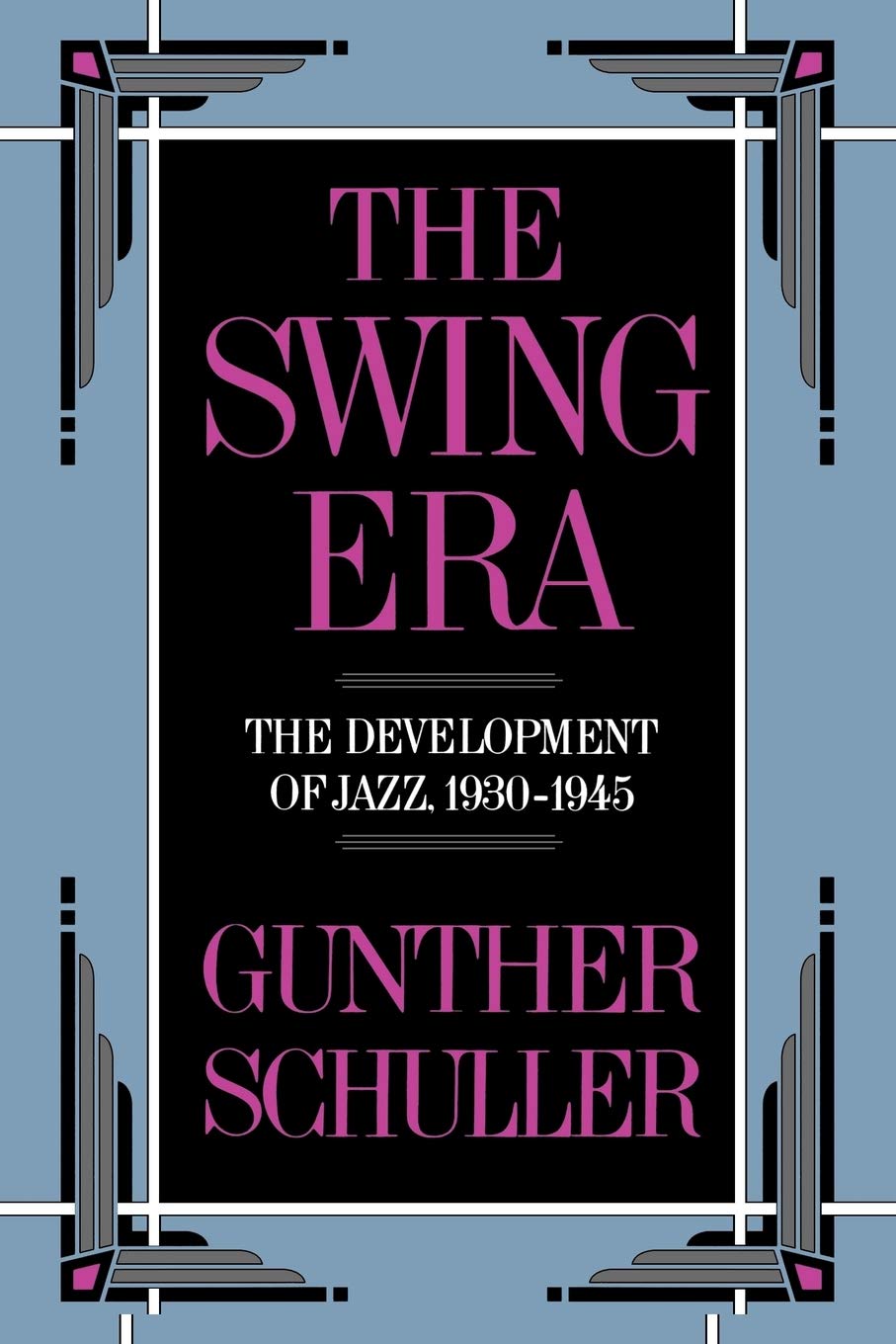
The Swing Era: The Development of Jazz, 19301945 (The History of Jazz, Volume II),Used
Sold by Ergodebooks, an authorized reseller.
Returns accepted within 30 days | support@ergodebooks.com
Shipping Information
- Free Standard Shipping — United States only
- Processing Time: 3–5 business days
- Estimated Delivery: 6–10 business days after dispatch
- Double-boxed, fully insured & discreetly packaged
- Tracking number sent via email once dispatched
Returns & Refund
Returns accepted within 30 days of delivery.
Damaged or Defective Item
Free return shipping + replacement or full refund
Wrong Item Received
Free return shipping + replacement or full refund
Change of Mind
Return shipping at customer's expense · 25% restocking fee applies
Payment Option

Here is the book jazz lovers have eagerly awaited, the second volume of Gunther Schuller's monumental The History of Jazz. When the first volume, Early Jazz, appeared two decades ago, it immediately established itself as one of the seminal works on American music. Nat Hentoff called it 'a remarkable breakthrough in musical analysis of jazz,' and Frank Conroy, in The New York Times Book Review, praised it as 'definitive.... A remarkable book by any standard...unparalleled in the literature of jazz.' It has been universally recognized as the basic musical analysis of jazz from its beginnings until 1933.The Swing Era focuses on that extraordinary period in American musical history1933 to 1945when jazz was synonymous with America's popular music, its social dances and musical entertainment. The book's thorough scholarship, critical perceptions, and great love and respect for jazz puts this wellremembered era of American music into new and revealing perspective. It examines how the arrangements of Fletcher Henderson and Eddie Sauterwhom Schuller equates with Richard Strauss as 'a master of harmonic modulation'contributed to Benny Goodman's finest work...how Duke Ellingtonp used the highly individualistic trombone trio of Joe 'Tricky Sam' Nanton, Juan Tizol, and Lawrence Brown to enrich his elegant compositions...how Billie Holiday developed her hornlike instrumental approach to singing...and how the seminal compositions and arrangements of the longforgotten John Nesbitt helped shape Swing Era styles through their influence on Gene Gifford and the famous Casa LomaOrchestra. Schuller also provides serious reappraisals of such often neglected jazz figures as Cab Calloway, Henry 'Red' Allen, Horace Henderson, Pee Wee Russell, and Joe Mooney.Much of the book's focus is on the famous swing bands of the time, which were the essence of the Swing Era. There are the great black bandsDuke Ellington, Count Basie, Jimmie Lunceford, Earl Hines, Andy Kirk, and the often superb but little known 'territory bands'and popular white bands like Benny Goodman, Tommy Dorsie, Artie Shaw, and Woody Herman, plus the first serious critical assessment of that most famous of Swing Era bandleaders, Glenn Miller. There are incisive portraits of the great musical soloistssuch as Art Tatum, Teddy Wilson, Coleman Hawkins, Lester Young, Bunny Berigan, and Jack Teagardenand such singers as Billie Holiday, Frank Sinatra, Peggy Lee, and Helen Forest.
⚠️ WARNING (California Proposition 65):
This product may contain chemicals known to the State of California to cause cancer, birth defects, or other reproductive harm.
For more information, please visit www.P65Warnings.ca.gov.