
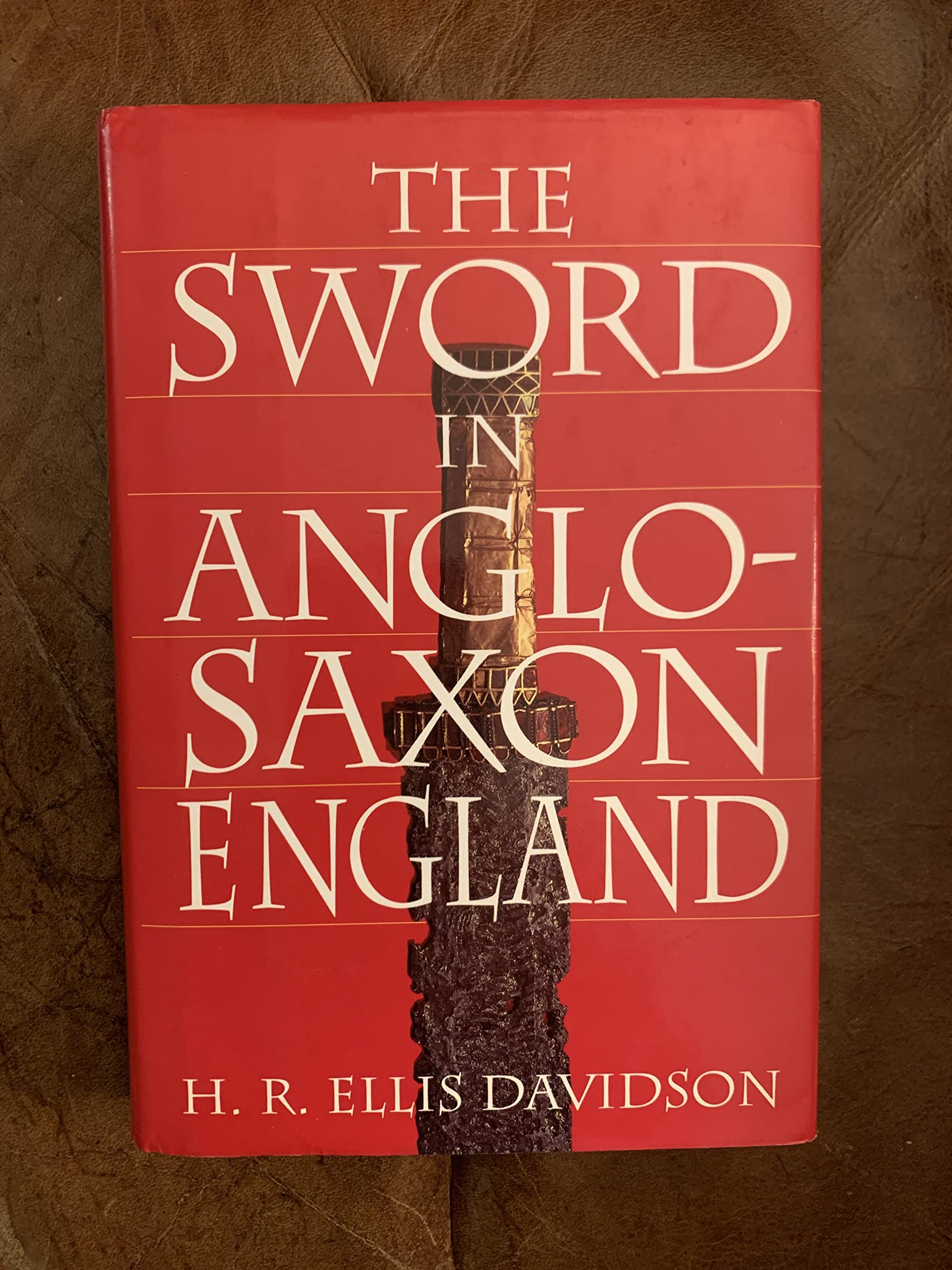
Title
The Sword In Anglosaxon England: Its Archaeology And Literature,New
Sold by Ergodebooks, an authorized reseller.
Returns accepted within 30 days | support@ergodebooks.com
Shipping Information
- Free Standard Shipping — United States only
- Processing Time: 3–5 business days
- Estimated Delivery: 6–10 business days after dispatch
- Double-boxed, fully insured & discreetly packaged
- Tracking number sent via email once dispatched
Returns & Refund
Returns accepted within 30 days of delivery.
Damaged or Defective Item
Free return shipping + replacement or full refund
Wrong Item Received
Free return shipping + replacement or full refund
Change of Mind
Return shipping at customer's expense · 25% restocking fee applies
Payment Option

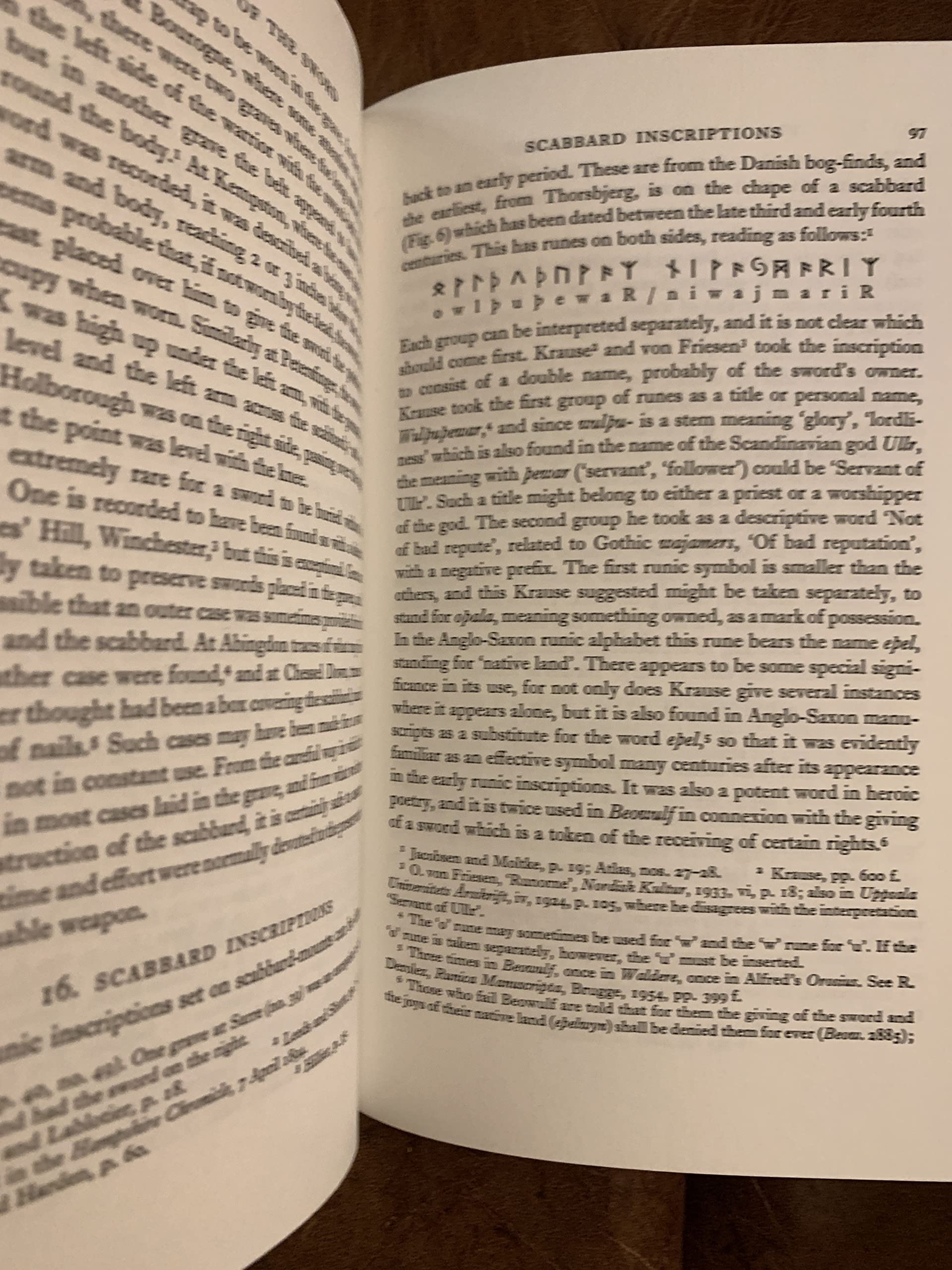
The Sword Is Closely Associated With All That Was Most Significant In A Man'S Life In The Anglosaxon World: Family Ties, Loyalty To A Lord, The Duties Of A King, The Excitement Of Battle, The Attainment Of Manhood, And The Last Funeral Rites. Hilda Ellis Davidson Explores The Revelations Of Archaeology, Methods Of Swordmaking, And References In Anglosaxon Poetry And Old Norse Sagas To Reveal A Past Where The Sword Was Of Supreme Importance, As A Weapon And As A Symbol. She Restores A Vital Dimension To Old English Literature, And Endows Those Few Surviving Swords In Museums With A Real Glamour And Magic.She Shows That For A Fuller Understanding Of Anglosaxon Poetry It Is Important To Have Due Regard To The Warrior Culture From Which It Sprang, And Of The Potent Part Played By The Sword Within That Culture. Much Can Be Learnt From Surviving Swords And From The Context In Which They Are Discovered. Careful Study Of The Disposition Of Swords Found In Peat Bogs In Denmark, And In Graves, Lakes And Rivers In The British Isles, Yields Information On Religious And Social Practices. The Swords Themselves, And Their Decoration, Reveal The Technical Skill And Cultural Achievements Of The People Who Wielded Them.To Read Beowolf Is To Be Immediately Aware Of The Aura Of Magical Power The Poet Vested In The Sword, And Hilda Ellis Davidson'S Other Concern In This Book Is To Look At Literary Sources For What They Reveal Of The Quality Of A Good Sword And Its Significance In Anglosaxon And Viking Societies For Viking Raiders Played As Important A Part As Anglosaxon Colonists In The History Of Early Medieval Britain. A Survey Of The Sword In Anglosaxon Historical Records And Poetry Is Followed By An Exploration Of Descriptions Of The Sword, And Of The Parts Of The Sword, In Old Norse Literature. The Real World Of The Anglosaxons Is Brought Into Dramatic Closefocus Through This Thorough Study Of The Physical Remains And Literary Memorials Of A Highlycharged Symbol.
⚠️ WARNING (California Proposition 65):
This product may contain chemicals known to the State of California to cause cancer, birth defects, or other reproductive harm.
For more information, please visit www.P65Warnings.ca.gov.
- Q: What is the binding type of the book? A: The binding type of the book is hardcover. This ensures durability and protection for the pages within.
- Q: How many pages are in 'The Sword in Anglo-Saxon England'? A: The book contains two hundred eighty-six pages. This length allows for an in-depth exploration of its themes.
- Q: What are the dimensions of the book? A: The book measures six inches in length, one inch in width, and eight point seventy-five inches in height. These dimensions make it a convenient size for reading.
- Q: Who is the author of this book? A: The author of the book is Hilda Roderick Ellis Davidson. She is known for her expertise in Anglo-Saxon literature and archaeology.
- Q: What is the main theme of the book? A: The main theme of the book revolves around the significance of swords in Anglo-Saxon culture. It examines their roles in society, literature, and archaeology.
- Q: What genre does this book belong to? A: This book belongs to the archaeology genre. It combines historical analysis with literary critique.
- Q: How do I read and understand this book? A: To read and understand this book, focus on the cultural context of the Anglo-Saxon era. Familiarizing yourself with Old English literature will enhance comprehension.
- Q: Is this book suitable for academic study? A: Yes, this book is suitable for academic study. It provides valuable insights into Anglo-Saxon culture and literature that are relevant for scholarly research.
- Q: What age group is this book appropriate for? A: This book is appropriate for adults and older teenagers. Its themes and language may be complex for younger readers.
- Q: How should I store this book to keep it in good condition? A: Store this book upright on a shelf in a cool, dry place. Avoid exposure to direct sunlight to prevent fading of the cover.
- Q: How do I clean the book if it gets dirty? A: To clean the book, gently wipe the cover with a soft, dry cloth. Avoid using water or cleaners that could damage the material.
- Q: Is there a warranty for this book? A: No, there is no warranty for this book. However, it is sold in good condition as a used book.
- Q: What if the book arrives damaged? A: If the book arrives damaged, contact the seller for return instructions. Most sellers will have a return policy for damaged items.
- Q: Can this book be used for a literature course? A: Yes, this book can be used for a literature course. It offers critical insights into Anglo-Saxon literature and historical context.
- Q: What makes this book special compared to others on the same topic? A: This book is special due to its blend of archaeological findings and literary analysis. Hilda Ellis Davidson's expertise brings a unique perspective.
- Q: Are there illustrations or images in the book? A: No, the book does not contain illustrations or images. It focuses primarily on textual analysis and historical context.