
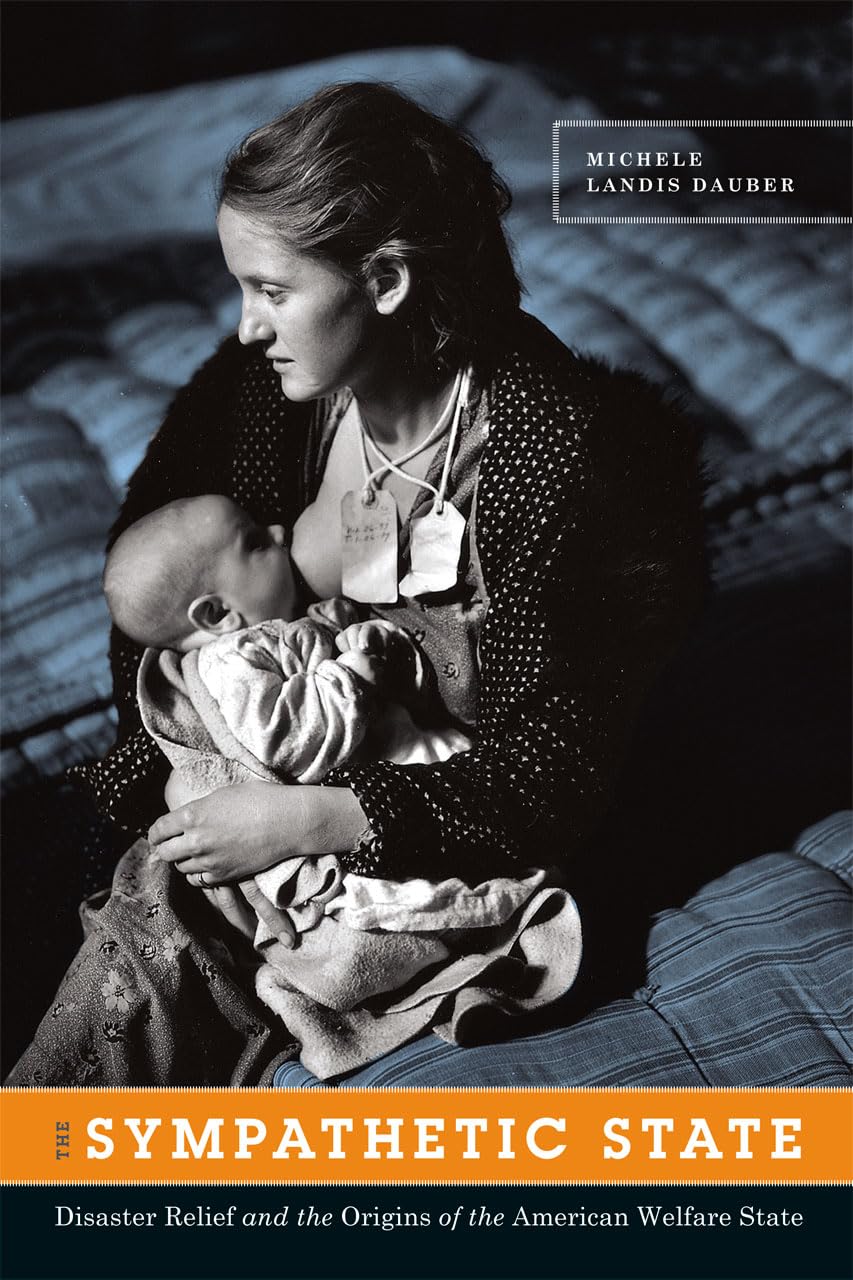
Title
The Sympathetic State: Disaster Relief And The Origins Of The American Welfare State,New
Sold by Ergodebooks, an authorized reseller.
Returns accepted within 30 days | support@ergodebooks.com
Shipping Information
- Free Standard Shipping — United States only
- Processing Time: 3–5 business days
- Estimated Delivery: 6–10 business days after dispatch
- Double-boxed, fully insured & discreetly packaged
- Tracking number sent via email once dispatched
Returns & Refund
Returns accepted within 30 days of delivery.
Damaged or Defective Item
Free return shipping + replacement or full refund
Wrong Item Received
Free return shipping + replacement or full refund
Change of Mind
Return shipping at customer's expense · 25% restocking fee applies
Payment Option

Even As Unemployment Rates Soared During The Great Depression, Fdrs Relief And Social Security Programs Faced Attacks In Congress And The Courts On The Legitimacy Of Federal Aid To The Growing Population Of Poor. In Response, New Dealers Pointed To A Long Traditiondating Back To 1790 And Now Largely Forgottenof Federal Aid To Victims Of Disaster. In The Sympathetic State, Michele Landis Dauber Recovers This Crucial Aspect Of American History, Tracing The Roots Of The Modern American Welfare State Beyond The New Deal And The Progressive Era Back To The Earliest Days Of The Republic When Relief Was Forthcoming For The Victims Of Wars, Fires, Floods, Hurricanes, And Earthquakes.Drawing On A Variety Of Materials, Including Newspapers, Legal Briefs, Political Speeches, The Art And Literature Of The Time, And Letters From Thousands Of Ordinary Americans, Dauber Shows That While This Long History Of Government Disaster Relief Has Faded From Our Memory Today, It Was Extremely Well Known To Advocates For An Expanded Role For The National Government In The 1930S, Including The Social Security Act. Making This Connection Required Framing The Great Depression As A Disaster Afflicting Citizens Though No Fault Of Their Own. Dauber Argues That The Disaster Paradigm, Though Successful In Defending The New Deal, Would Ultimately Come Back To Haunt Advocates For Social Welfare. By Not Making A More Radical Case For Relief, Proponents Of The New Deal Helped Create The Weak, Uniquely American Welfare State We Have Todayone Torn Between The Desire To Come To The Aid Of Those Suffering And The Deeply Rooted Suspicion That Those In Need Are Responsible For Their Own Deprivation.Contrary To Conventional Thought, The History Of Federal Disaster Relief Is One Of Remarkable Consistency, Despite Significant Political And Ideological Change. Daubers Pathbreaking And Highly Readable Book Uncovers The Historical Origins Of The Modern American Welfare State.
⚠️ WARNING (California Proposition 65):
This product may contain chemicals known to the State of California to cause cancer, birth defects, or other reproductive harm.
For more information, please visit www.P65Warnings.ca.gov.