
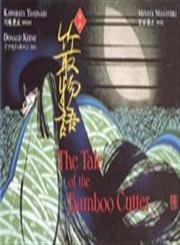
Title
The Tale Of The Bamboo Cutter (Kodansha'S Illustrated Japanese Classics)
Sold by Ergodebooks, an authorized reseller.
Returns accepted within 30 days | support@ergodebooks.com
Shipping Information
- Free Standard Shipping — United States only
- Processing Time: 3–5 business days
- Estimated Delivery: 6–10 business days after dispatch
- Double-boxed, fully insured & discreetly packaged
- Tracking number sent via email once dispatched
Returns & Refund
Returns accepted within 30 days of delivery.
Damaged or Defective Item
Free return shipping + replacement or full refund
Wrong Item Received
Free return shipping + replacement or full refund
Change of Mind
Return shipping at customer's expense · 25% restocking fee applies
Payment Option

Preface By Donald Keenetaketori Monogatari (The Tale Of The Bamboo Cutter) Was Probably Written Late In The Ninth Or Early In The Tenth Century. Mention At The End Of The Tale That Smoke Still Rose From Mount Fuji , A Sign It Was An Active Volcano, Is An Important Clue To The Date Of Composition, For We Know That By 905 A.D. The Mountain Had Ceased To Emit Smoke. Regardless Of Exactly When The Tale Was First Set Down On Paper, It Is The Oldest Surviving Japanese Work Of Fiction; The Tale Of Genji (Written About 1010) Referred To It As The Ancestor Of All Romances.Many Theories Have Been Published About The Authorship, But They Are Little More Than Guesses. The Names Of Five Suitors, Resembling Those Of Members Of The Japanese Court Of The Eighth Century, Have Suggested To Some Scholars That The The Tale Of The Bamboo Cutter Was Conceived Of As A Satire Directed Against A Certain Court Faction, But This Is Not How The Work Was Read In Later Centuries. Today It Is Thought Of Mainly As A Children'S Story, And Kaguyahime, The Heroine, Looks In The Illustrations As Lovable As Snowwhite Or Cinderella; There Is No Suggestions Of The Heartlessness That Is Perhaps Her Most Memorable Featureelements In The Narrative Recall Similar Tales From Other Parts Of The World. The Tests To Which The Suitors Are Subjected Resemble The Riddles Asked By The Icy Princess Turandot, Or We May Recall The Three Caskets Among Which The Suitors Had To Choose In The Merchant Of Venice. Perhaps The Most Interesting Aspect Of The Tests Kaguyahime Imposes Is The Humor With Which They Are Related. The Second Suitor'S Lyrical Description Of The Magical Island Of Horai, Where He Allegedly Found The Jeweled Branch, Is Interrupted By The Mundane Demands Of The Artisans Who Actually Made It. Again, The Fourth Suitor, At The End Of His Unsuccessful Quest, Urges His Men To Stay Away From The Vicinity Of The House Of That Thief Of A Kaguyahime. Such A Characterization Of The Heroine Takes Us From The Realm Of The Children'S Story.Many Texts Of The Tale Of The Bamboo Cutter Have Come Down, Each With Its Share Of Variant. The Names Of The Characters Differ Somewhat From Text To Text Or Even Within The Same Text. The Differences Are Not Confined To Names: Towards The End, When The Old Man Is Attempting To Prevent Kaguyahime From Being Taken Off To The Moon, He Urges His Men To Shoot Anything They See In The Sky, No Matter How Small, And They Assure Him That They Will Shoot Down Even A Mosquito. But Other Texts Mention Not A Mosquito But A Bat; Perhaps Some Scribe Thought It Was A Bit Too Farfetched For Anyone To Shoot Down A Mosquito, And Changed The Word To A Larger Flying Object.There Are Other Problems In The Text. Near The Beginning The Bamboo Cutter Says Of Himself That He Is Over Seventy Years Old, But Towards The End (Twenty Years Later) We Are Told That He Has Just Turned Fifty. It Seems Likely That There Was A Copyist'S Error, But Some Scholars, Taking The Figure Given At The End As The Bamboo Cutter'S Real Age, Have Suggested That Twenty Years Earlier, When He Was Only Thirty, He May Have Been One Of The Suitors For Kaguyahime'S Hand. Such Problems In The Text Should Not, However, Prevent Us From Enjoying The Storyteller'S Art.About Thirtyfive Years Ago I First Published A Translation Of The Tales Of The Bamboo Cutter In The Journal Monumenta Nipponica. A Few Years Laterin The Summer Of 1965A Japanese Publisher Conceived The Plan Of A Book That Would Incorporate My Translation, The Translation Into Modern Japanese By The Great Novelist Yasunari Kawabata, And Illustrations By One Of The Outstanding Contemporary Japanese Painters. I Decided To Take Advantage Of The Opportunity To Revise My Translation.About This Time, I Visited An Exhibition Of Kirie (Papercut Pictures) By Masayuki Miyata, And Discovered That He Had Actually Completed Series Of Works Illustrating The Tale If The Bamboo Cutter. I Was Delighted That At Last It Would Be
⚠️ WARNING (California Proposition 65):
This product may contain chemicals known to the State of California to cause cancer, birth defects, or other reproductive harm.
For more information, please visit www.P65Warnings.ca.gov.
- Q: How many pages does the book have? A: The book has one hundred eighty pages. This length makes it suitable for a quick yet engaging read.
- Q: What type of binding does this book have? A: This book has a paperback binding. Paperback is lightweight and easy to carry, making it ideal for casual reading.
- Q: What are the dimensions of the book? A: The dimensions of the book are nine point zero two inches in length, zero point seven one inches in width, and five point eight inches in height. These measurements make it a convenient size for handling.
- Q: Who is the author of this book? A: The author of this book is Yasunari Kawabata. He is a renowned Japanese novelist and Nobel Prize winner in Literature.
- Q: What is the main theme of The Tale of the Bamboo Cutter? A: The main theme is about love, sacrifice, and the bittersweet nature of life. It explores the challenges faced by Kaguya-hime and her suitors.
- Q: What age group is this book suitable for? A: This book is suitable for children and adults alike. Its fairy tale elements appeal to younger readers while offering deeper themes for adults.
- Q: How should I care for this book? A: To care for this book, keep it in a dry place and avoid exposure to direct sunlight. This will help preserve its condition over time.
- Q: Can I clean the book if it gets dirty? A: Yes, you can gently wipe the cover with a soft, dry cloth. Avoid using water or cleaning solutions that might damage the pages.
- Q: Is this book safe for young children? A: Yes, the book is safe for young children. It is a classic fairy tale that contains no inappropriate content.
- Q: What if the book arrives damaged? A: If the book arrives damaged, you should contact the seller within thirty days for a replacement or refund. Most sellers have clear return policies.
- Q: How does this book compare to other classic literature? A: This book stands out among classic literature for its unique narrative style and cultural significance. It is regarded as one of the oldest works of Japanese fiction.
- Q: What makes this edition special? A: This edition combines a translation by Yasunari Kawabata with original illustrations by contemporary Japanese artists. It enhances the reading experience with visual artistry.
- Q: Is there a digital version available? A: Yes, there may be a digital version available. Check major e-book retailers for options.
- Q: What kind of illustrations are included in this book? A: The book includes illustrations that are inspired by traditional Japanese art styles. They visually enhance the storytelling.
- Q: Can this book be used for educational purposes? A: Yes, this book can be used for educational purposes. It provides insights into Japanese culture and literature, making it a valuable resource.
- Q: Is there a glossary or notes section in the book? A: No, this edition does not include a glossary or notes section. Readers may need to research cultural references for better understanding.